One year without a flush
That's long enough for sediment to pack solid at the bottom of your tank. Past that point, a flush may loosen it without clearing it, and it just resettles.

Once a year is the right interval for most homes here. Idaho water tends to carry sediment, and that grit settles at the bottom of the tank instead of passing through. Left alone, it builds into a layer that sits between the burner and the water above it. Gas burns underneath that layer instead of heating the tank directly, so the water heater works harder to do the same job, and in a state where summers push the AC and winters push the furnace, that's one more appliance pulling more than it should. The sediment also lets the tank floor run hotter than it was built for, which is how a tank fails years before it should. A yearly flush clears that layer out before it causes either problem. If your water comes from a well instead of a city system, sediment usually builds faster, and the tank may need flushing more than once a year.
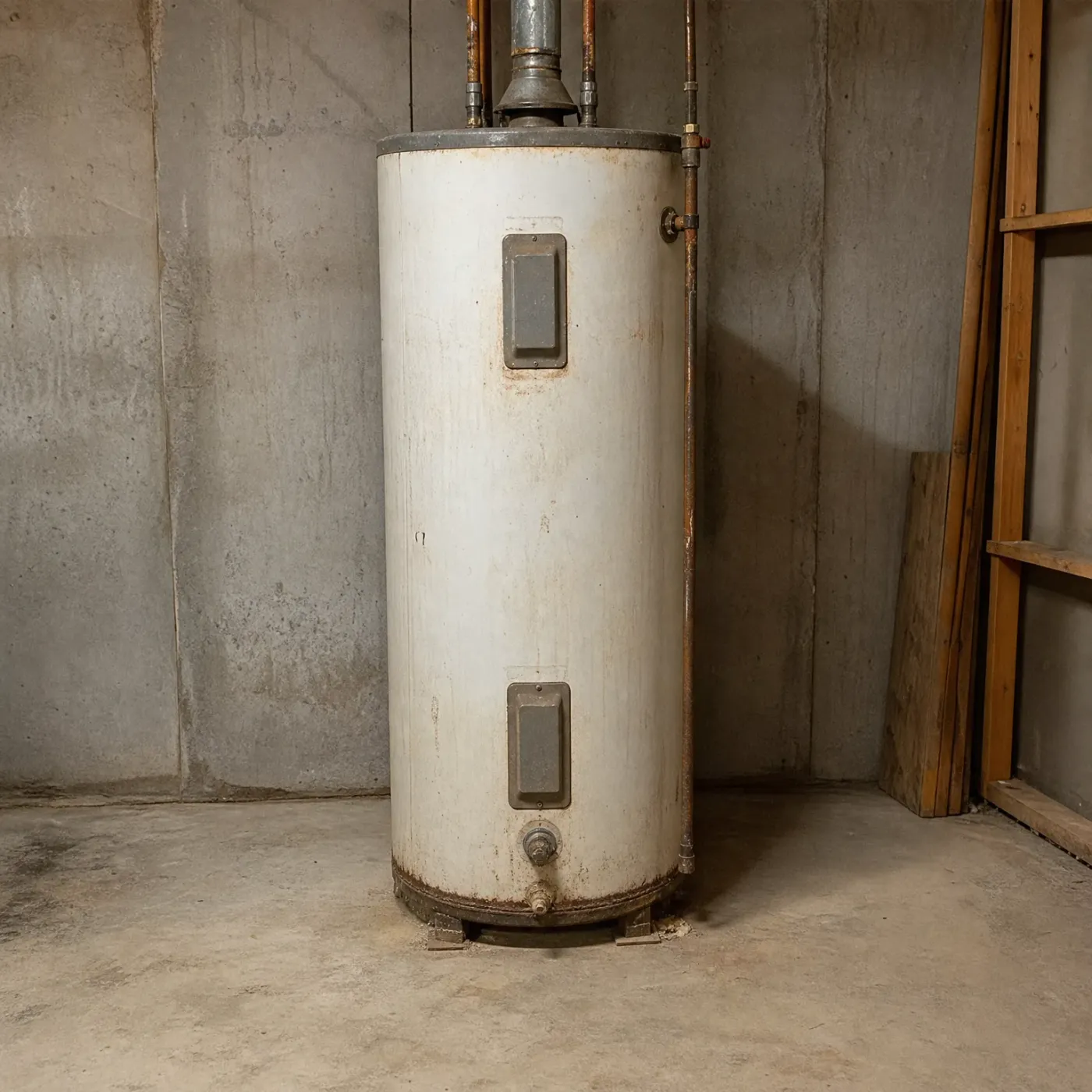
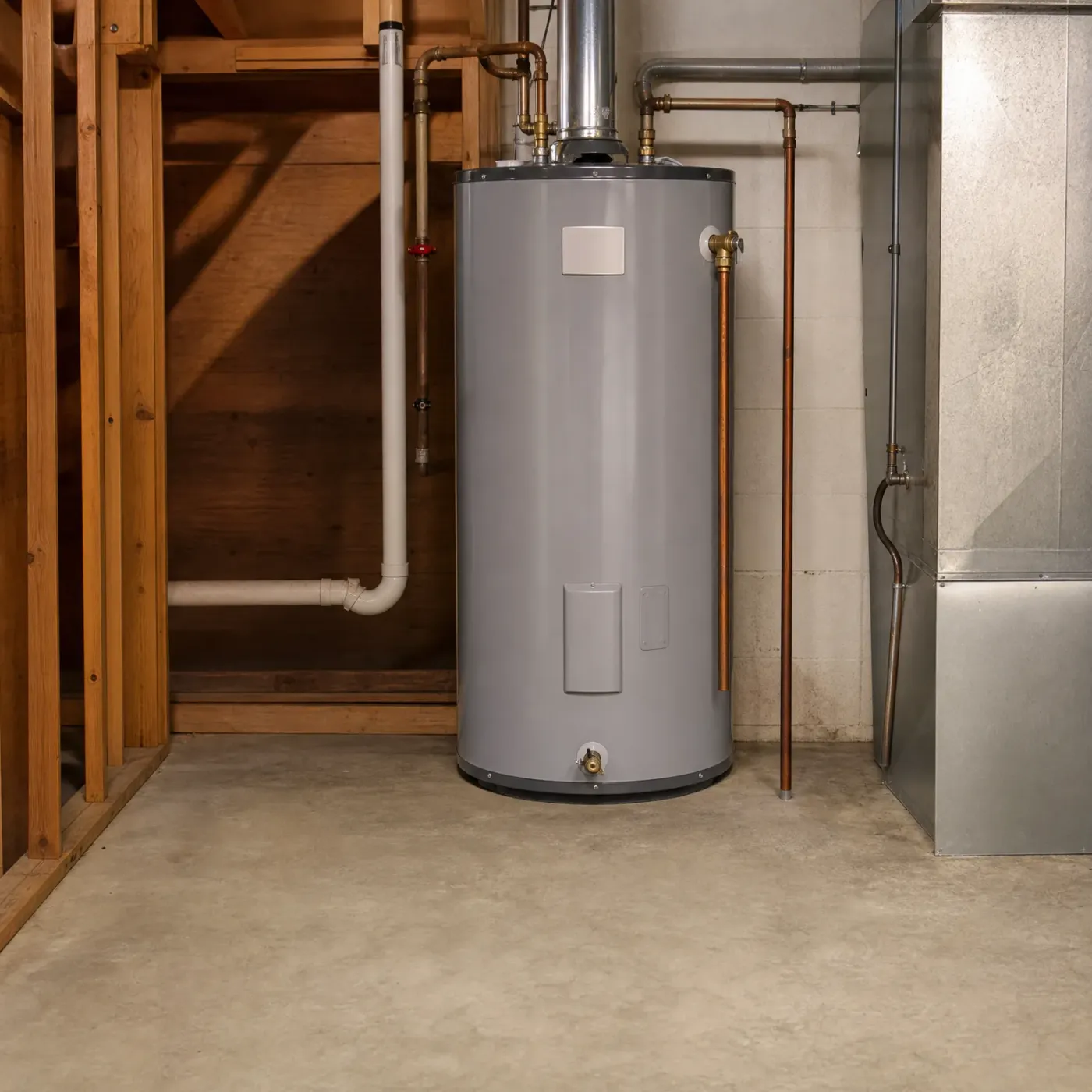
Water comes into the tank near the bottom, so every gallon that enters stirs up whatever has settled there. A contractor shuts off the cold water supply and opens the T&P valve to relieve pressure before touching anything else. Then the drain valve near the base opens and water runs out, cloudy at first, until it clears. On a gas water heater, the burner sits right under the tank, and a layer of sediment between the burner and the water makes it work longer than it should to heat the same amount of water. While the tank is drained, a contractor can also check the anode rod, the part that corrodes on purpose so the steel tank doesn't. If it's mostly gone, that's worth knowing before it stops doing its job. Skip the flush long enough and the sediment hardens into a crust, and that crust can get thick enough to clog the drain valve itself, which turns a routine flush into more work than it needed to be.
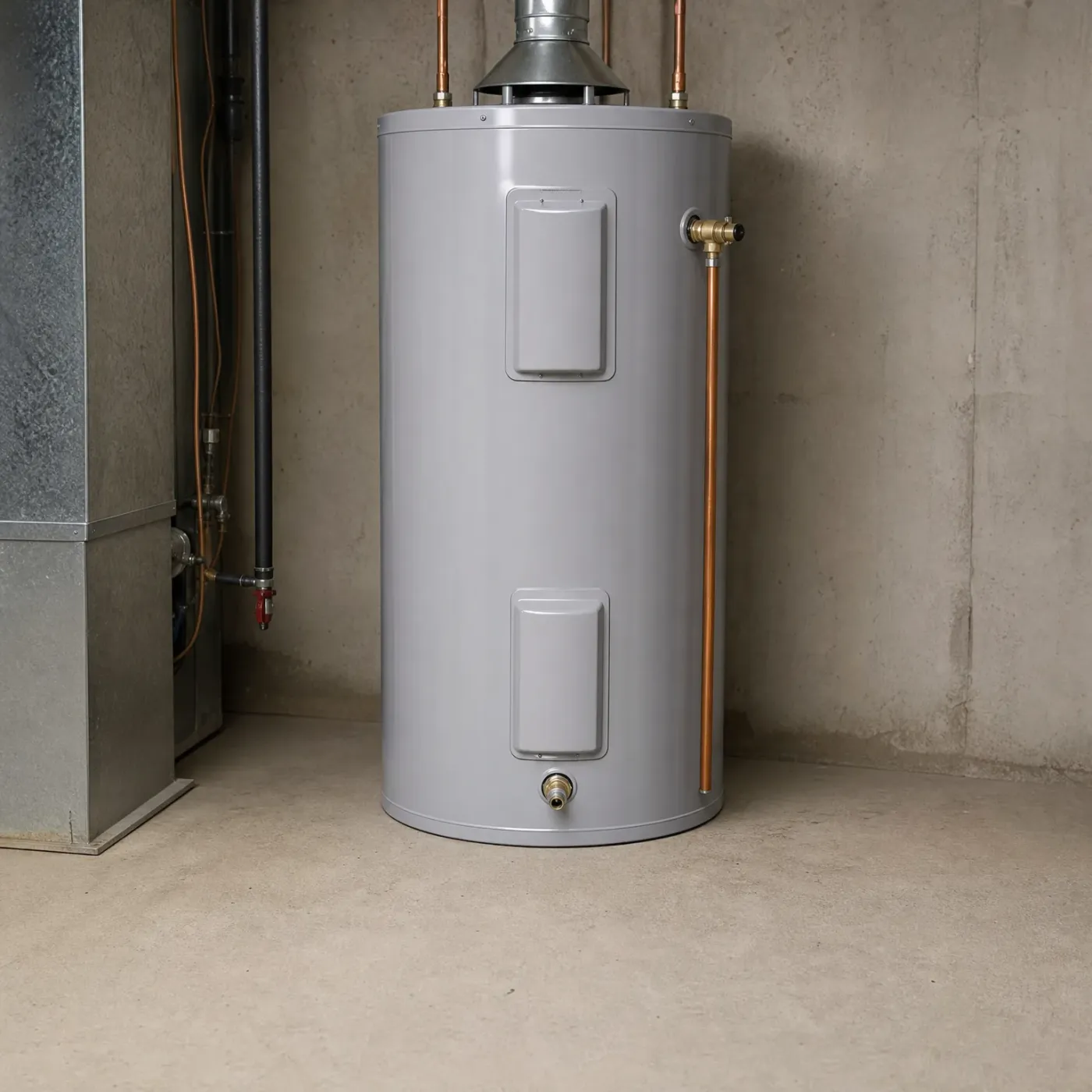
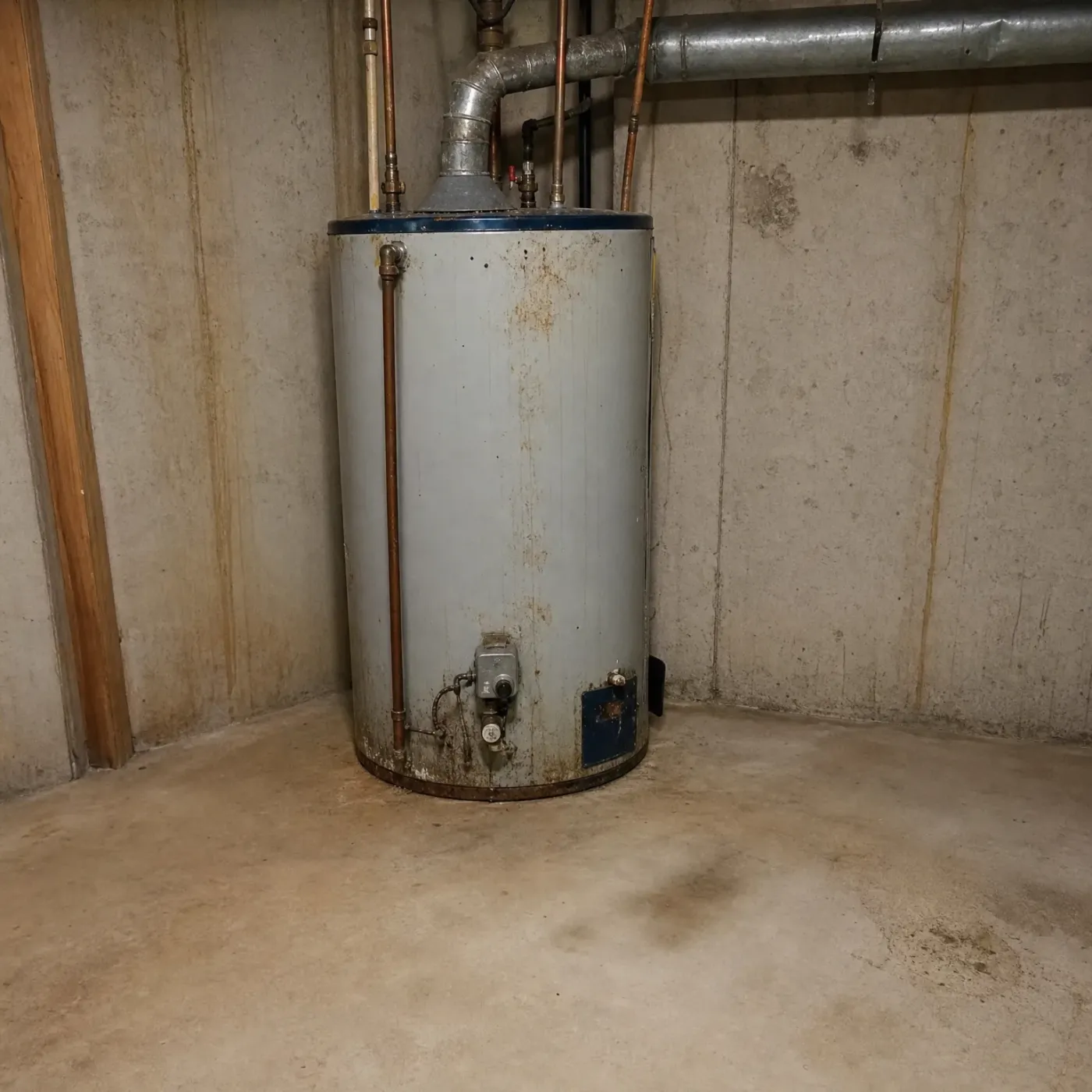




Idaho's water is hard enough that sediment is going to build up no matter how careful you are with the thermostat setting or how new the tank is. Once it's packed in at the bottom, flushing it yourself without draining the lines right or getting the valve seated back properly can turn a simple job into a leak you didn't have before. A plumber who works on tanks in your area every year knows which brands around here clog fastest and which valves tend to seize up from the mineral content. Send the request and it goes to one local contractor who handles this kind of flush regularly, not a handful of companies competing for the callback. That's one less thing to figure out before the sediment turns into a bigger repair.
A tank that never gets flushed can take twenty minutes to heat a full load of water instead of a few minutes, because the sediment layer sits between the flame and the water.
That same layer is why the tank bangs and rumbles when it runs. The noise is water popping through trapped grit, and it stops once the sediment is cleared out.


That's long enough for sediment to pack solid at the bottom of your tank. Past that point, a flush may loosen it without clearing it, and it just resettles.
A contractor drains the tank before the sediment hardens, so the burner heats water instead of baking through a layer of grit underneath it.
Most homes in Idaho heat water with a gas burner under the tank, not an electric element inside it. That burner sits right below where sediment collects, so a thick layer there blocks heat from the flame before it ever reaches the water. Flushing keeps that burner doing its job.
ACS 2020-2024 5-year B25040
Once a year keeps a water heater in Idaho ahead of what the water here leaves behind. That's the whole answer. Sediment builds no matter the tank or the thermostat setting, and a flush on schedule is what keeps it from packing down into something a hose and a drain valve can't clear. Wait past a year and the job changes from routine to uncertain, since packed sediment may only loosen instead of flush clean.
A contractor who handles this all season in Idaho has seen what a year of hard water does to a tank, and what two or three years does. They know which drain valves stick shut from mineral buildup before they ever turn the handle, and which tanks are already making the popping and rumbling that means the sediment layer is thick. That's not guesswork. It's the kind of thing you only know from doing it on tank after tank, season after season, in water like this.
The match that comes out of this page is one contractor, local, licensed to do the work, not a list of five companies competing for the callback. That matters more than it sounds like it should. It means one visit, from someone who already knows what Idaho water does to a tank before they open the access panel, instead of explaining your situation over and over to whoever picks up first. Send the request and that search is off your plate. Finding someone stops being something you have to manage.





Your request goes to one pro, not a list of companies.
Sending the form costs nothing.