 Match me with a pro
Signs your water heater needs replacing in Idaho
Get in touch with a local installer about a new water heater.
Most water heaters in Idaho run on gas, and most give some warning before they quit. Water that takes longer to heat. A tank that makes popping or rumbling sounds as sediment builds up on the bottom. Rusty water, or rust around the fittings and the base of the tank. A pilot light that won't stay lit, or a burner that cycles more than it used to. Any one of these is worth a look. A few together usually means the tank is closer to the end than the start.
Age matters too. If the water heater came with the house, check the tank for a label with the install date. Tanks don't last forever, and one running past where it should will often fail without much notice, usually by leaking from the bottom, which means water on the floor and a tank that can't be repaired.
Power here is cheap, so a water heater running inefficiently might not show up fast on the bill the way it would elsewhere. That makes the physical signs, the sound, the rust, the slow recovery, more important to catch early, before the tank fails outright.
Once you've seen enough to know it's time, the next step is getting someone out who actually works on water heaters in Idaho, week in and week out, and knows which tanks in which neighborhoods tend to go first and why. You'll be matched with one licensed local contractor, not a handful of companies competing for the job, so you're dealing with a single installer who already has a sense of what's common here and can speak to your situation directly when they reach out.
What happens with the tank from there, the install itself, is between you and that contractor. What this gets you is the right person looking at the right problem, without sorting through a pile of callbacks to find them.
How do I know if my water heater needs to be replaced?
You've noticed something off with your water heater, maybe it's slower to heat, maybe it's making noise, and you're trying to figure out if this is something to watch or something to act on. With a season ahead that will put real demand on it, you'd rather know now than find out when it fails.
Rust-colored water, a tank that's leaking, or a heater past 10 to 12 years old means it's time to replace it
A tank starts to fail from the inside. Sediment and minerals wear at the lining and the fittings, and once rust shows up in your hot water or around the base of the tank, that wear has gone past the point of repair. A leak at the tank itself, not a loose fitting, means the same thing. Age matters too. Most tank water heaters last 10 to 12 years, and one running past that is more likely to fail without warning than to keep going another winter. Gas heats most homes here, and a gas water heater that's aging alongside cold winters and hot, dry summers is working hard most of the year. Replacing it on your schedule beats replacing it on its own.




A local pro for your water heater installation

One installer gets your project, so there's no bidding war over it.
Asking costs nothing, and the choice to hire stays yours.
What's Happening Inside the Tank
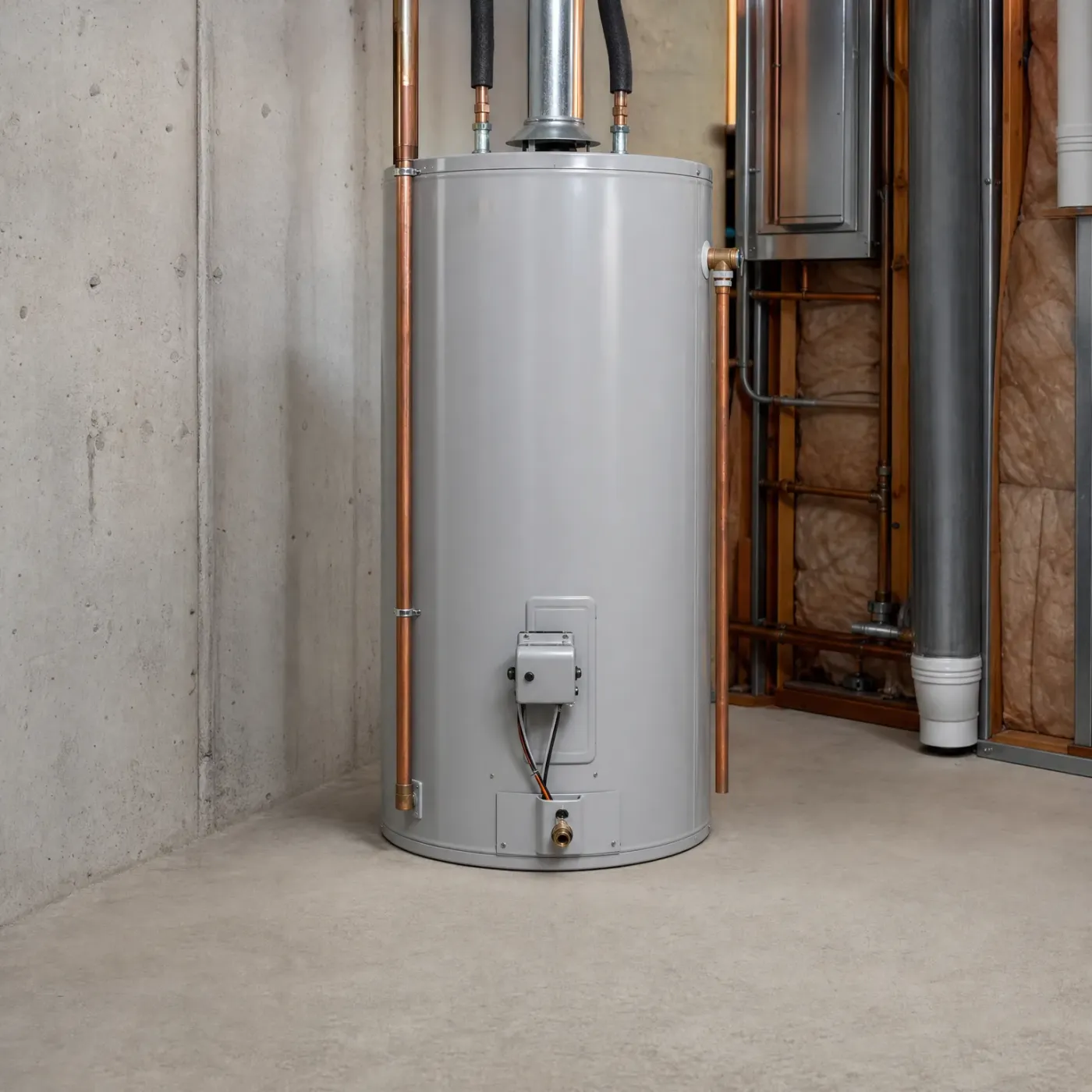
- Sediment settles to the bottom of the tank and the burner has to heat through it, which is what causes the popping sound.
- A tank that leaks at the seams is done, since the steel has rusted through from the inside and that can't be patched.
- Most gas water heaters last 8 to 12 years, and the anode rod inside usually wears out well before the tank does.
- A water heater working harder to keep up usually shows it on the gas bill before it shows it in the shower.
- The pressure relief valve lets water out when the tank builds up too much pressure, and if it's dripping, that's the valve doing its job, not failing on its own.
- Once rust shows up in the hot water itself, it's coming from inside the tank, not the pipes.
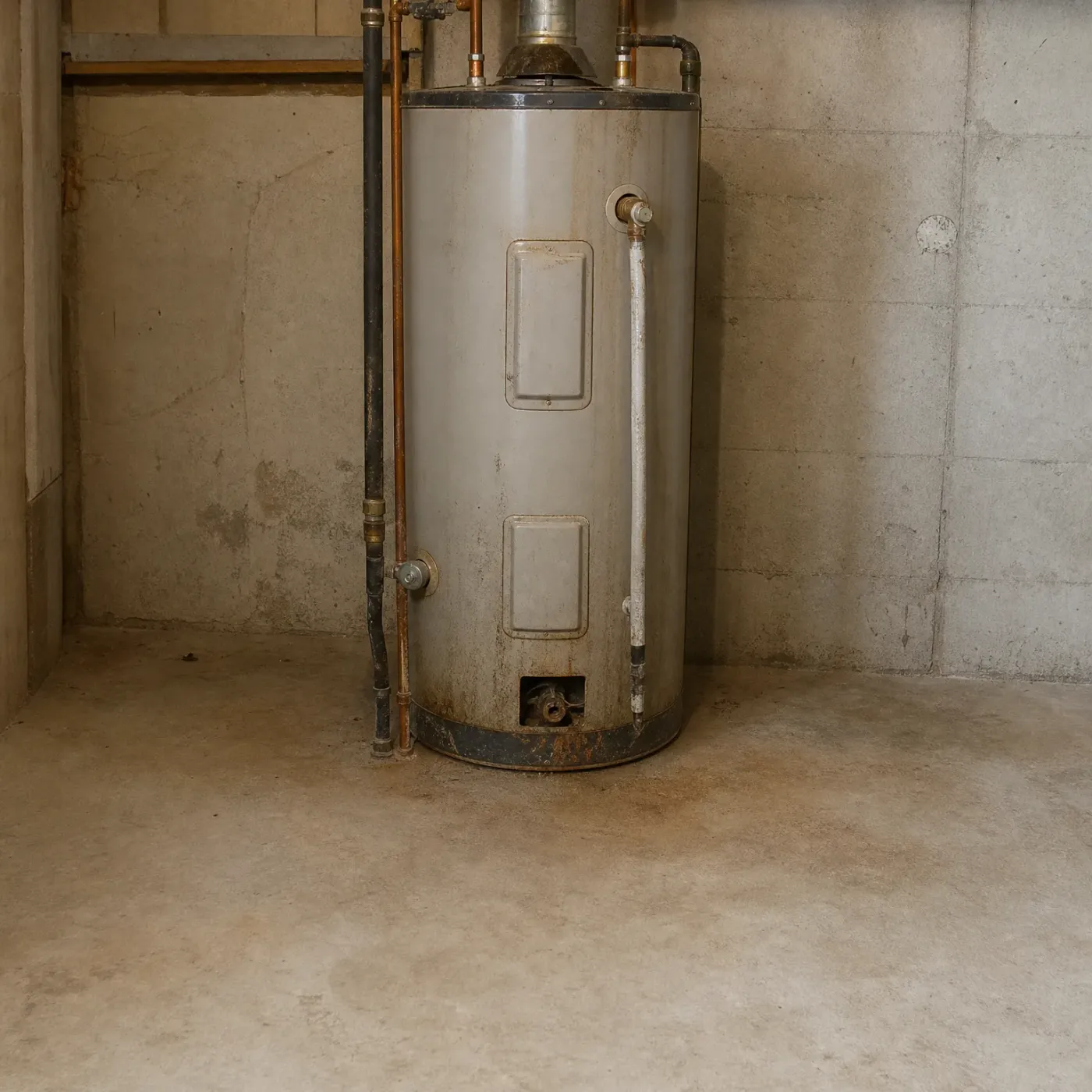
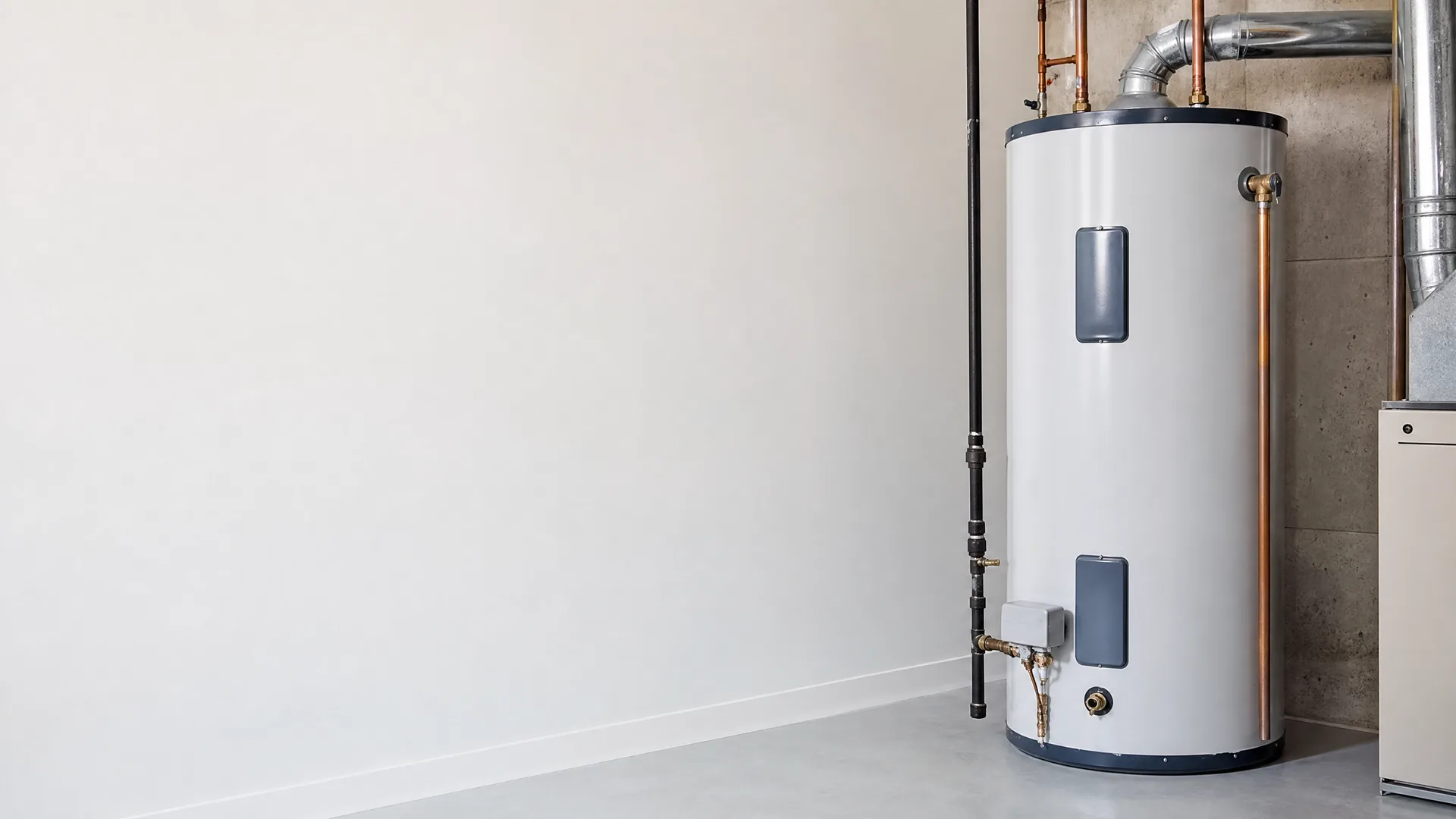
A gas water heater fails from the inside out, and most of what goes wrong traces back to two things: sediment and the anode rod. Idaho's water leaves mineral deposits that settle to the bottom of the tank over time. The burner sits underneath, so it has to fire through that layer to heat the water above it. That's the popping or rumbling sound. It also means the burner runs longer than it used to, which shows up as a higher gas bill before you notice anything else.
The anode rod is a rod of metal inside the tank that corrodes on purpose, so the steel tank doesn't have to. It's designed to wear out. Once it's gone, the tank itself starts rusting from the inside, and that rust ends up in your hot water. If you're seeing rust at the tap, it isn't coming from your pipes, it's coming from the tank.
The pressure relief valve on the side or top of the tank is a safety feature, not a wear part. If it drips occasionally, it's releasing built-up pressure the way it's supposed to. A tank that's leaking at a seam is a different problem entirely. That's the steel giving out, and there's no patch for it.
Most gas water heaters in Idaho last 8 to 12 years. Past that range, these failures get more likely, not less.


51.6% of homes statewide heat with gas
If your house is one of the majority here with gas heat, your water heater almost certainly runs on gas too. That means the burner and igniter wear out, not an electric element, so sediment buildup and pilot or igniter trouble are the failures worth watching for.
ACS 2020-2024 5-year B25040
Why the tank fails before the burner does
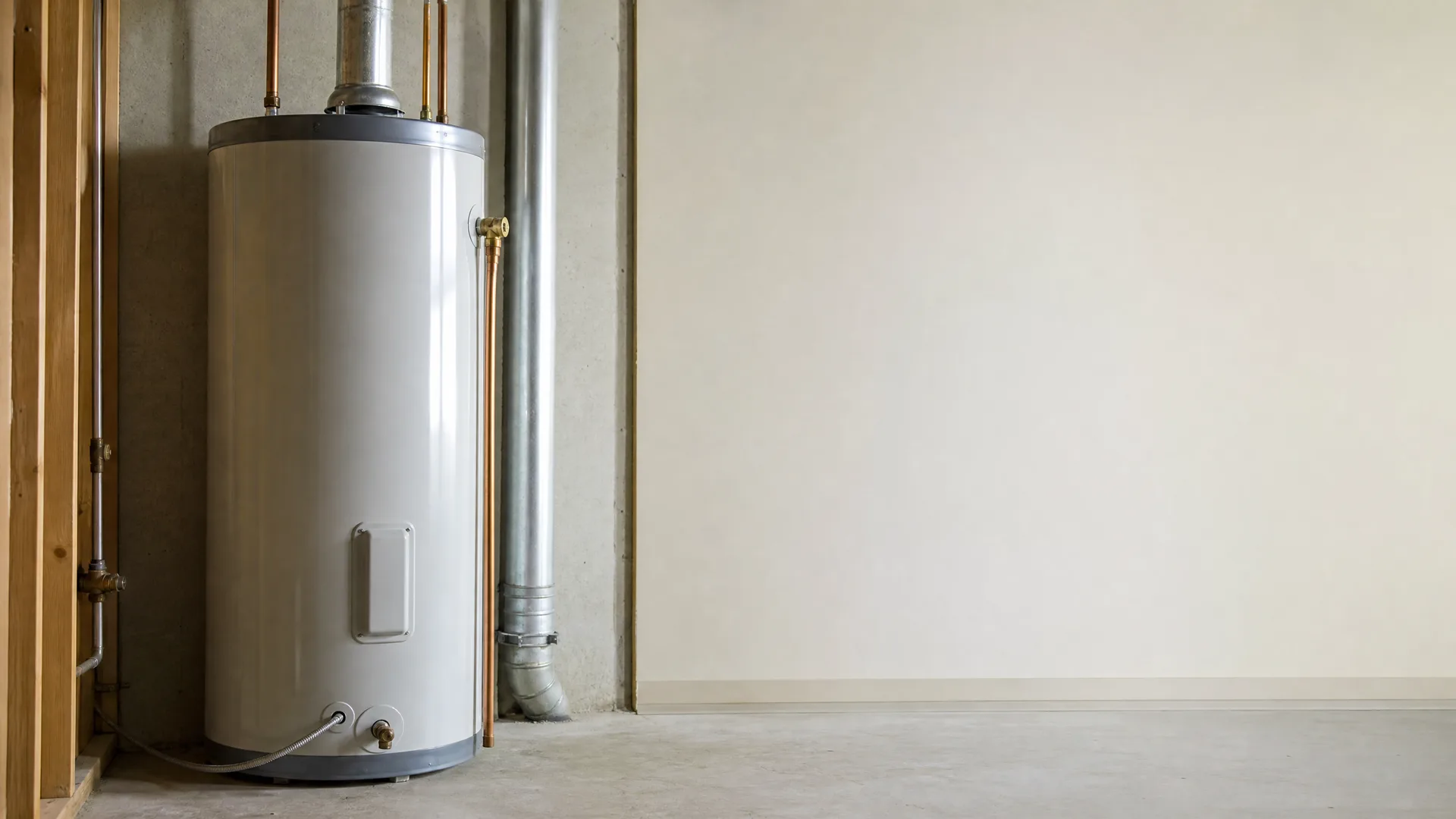
A gas water heater's burner and igniter can last for years with basic upkeep, but the tank itself has one shot. It's glass-lined steel, and once water finds a crack in that lining, it starts rusting the steel from the inside out. There's no lining repair kit, no sealant that holds against water pressure day after day. When the tank itself is rusting, the parts around it don't matter.
What a dry climate does and doesn't change
Idaho's dry summers don't spare the tank the way they spare your skin. Sediment builds the same whether the air outside is dry or humid, since it comes from minerals in the water supply, not the weather. What dry air does affect is the space around the unit. If your water heater sits in a garage or unfinished basement, check for dry rot or cracking on nearby hoses and fittings, since those wear out on their own timeline.
A water heater that's slower to heat, louder than it used to be, or leaking at the base is telling you something, and none of those get better on their own. The tank either holds or it doesn't, and once rust works through the steel, replacement is the only fix. If you're seeing one or more of these signs, it's worth having someone look at it before it fails outright, on a weekend, with water on the floor. A local contractor who works on gas water heaters all year, through Idaho's hot summers and cold winters alike, has likely seen your exact setup before and knows what tends to go first. You'll be matched with one contractor, not several, so you're not fielding a handful of calls to sort through. That contractor can tell you whether what you're seeing means repair or replacement, and what to expect from here.
Get the right pro for your water heater
The pro who reaches out is licensed in Idaho.