Tell us about the job
Takes about a minute. No obligation.
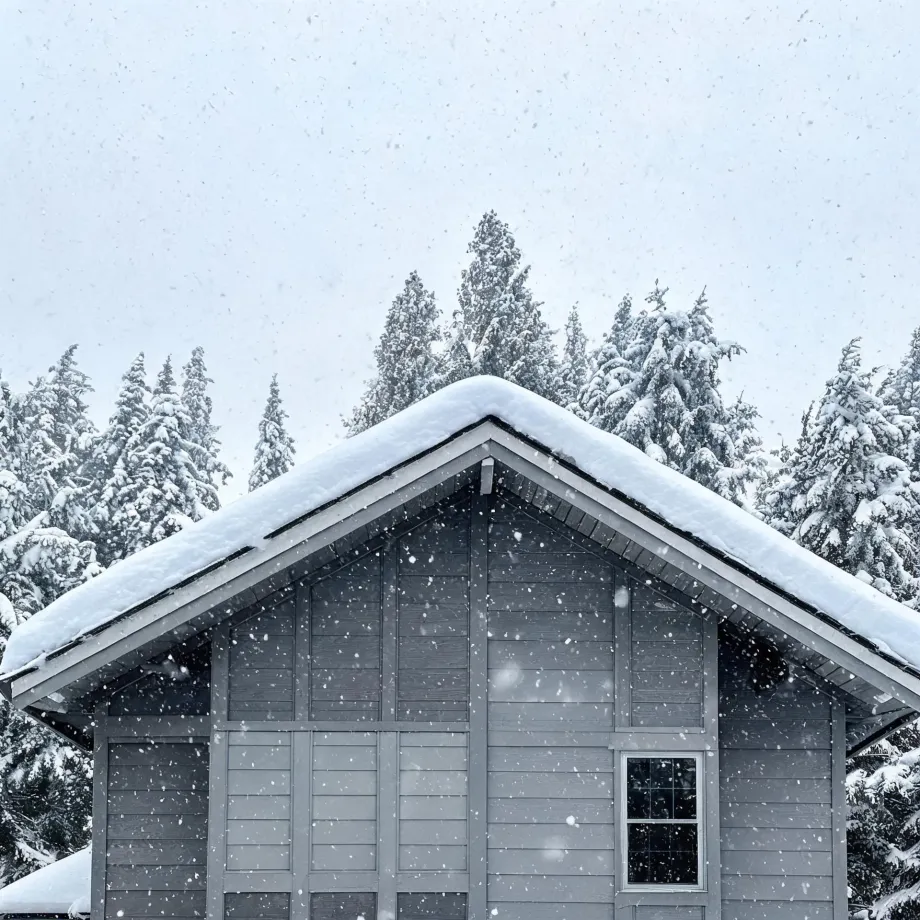
Gas water heater installation in Kootenai County starts with what is already in the wall. Utility gas heats more occupied homes in Kootenai County, Idaho than any other fuel, at 52.7% (2020-2024 ACS 5-year). That majority means most replacement jobs involve a gas appliance going in where a gas appliance came out, but the existing flue, draft hood, and combustion air arrangement still have to be checked against the new unit's specifications. A contractor who skips that step can install a water heater that vents poorly, pulls combustion air from the wrong place, or runs with a flue that no longer matches the exhaust volume. The burner and ignition system carry the cost of those mismatches over years of daily cycling.
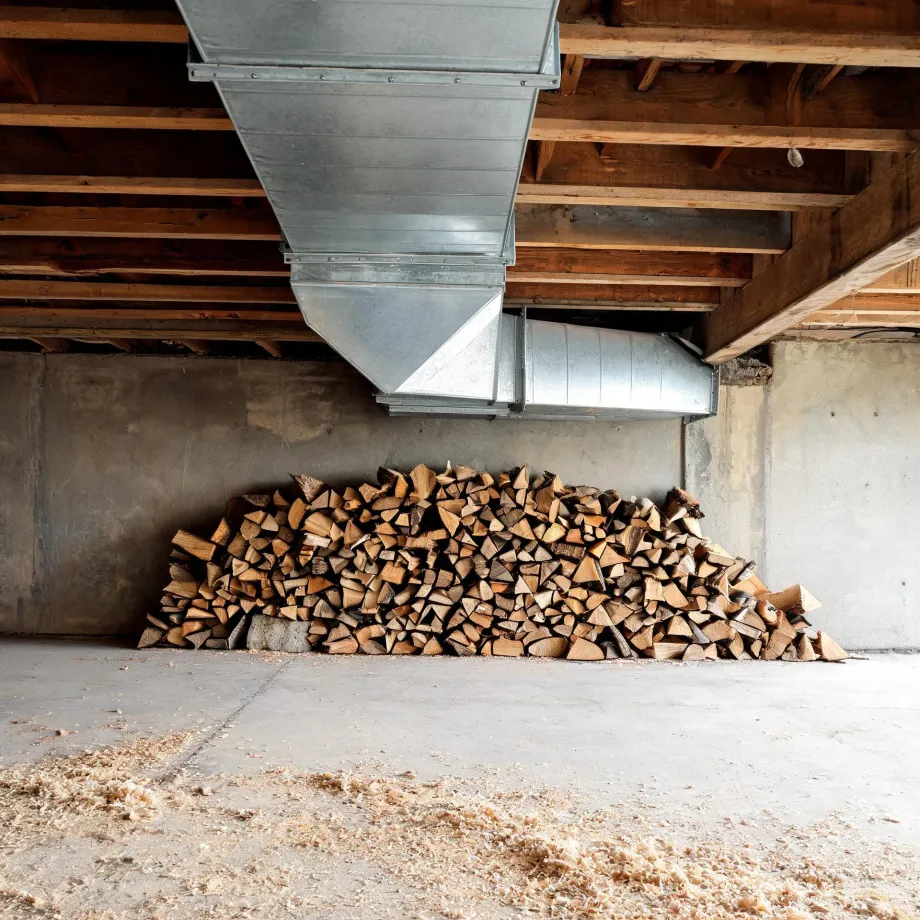
The electrical panel is where a water heater installation either goes smoothly or stalls. Half the homes in Kootenai County, Idaho were built in 1996 or earlier (2020-2024 ACS 5-year). That spread of build dates means a contractor sizing a new water heater has to check what the panel can actually deliver, not just what the new unit requires. Service wiring put in for older equipment often falls short of what a modern water heater draws, and finding that out before the unit arrives changes the scope of the job entirely.
What a New Water Heater Installation Covers
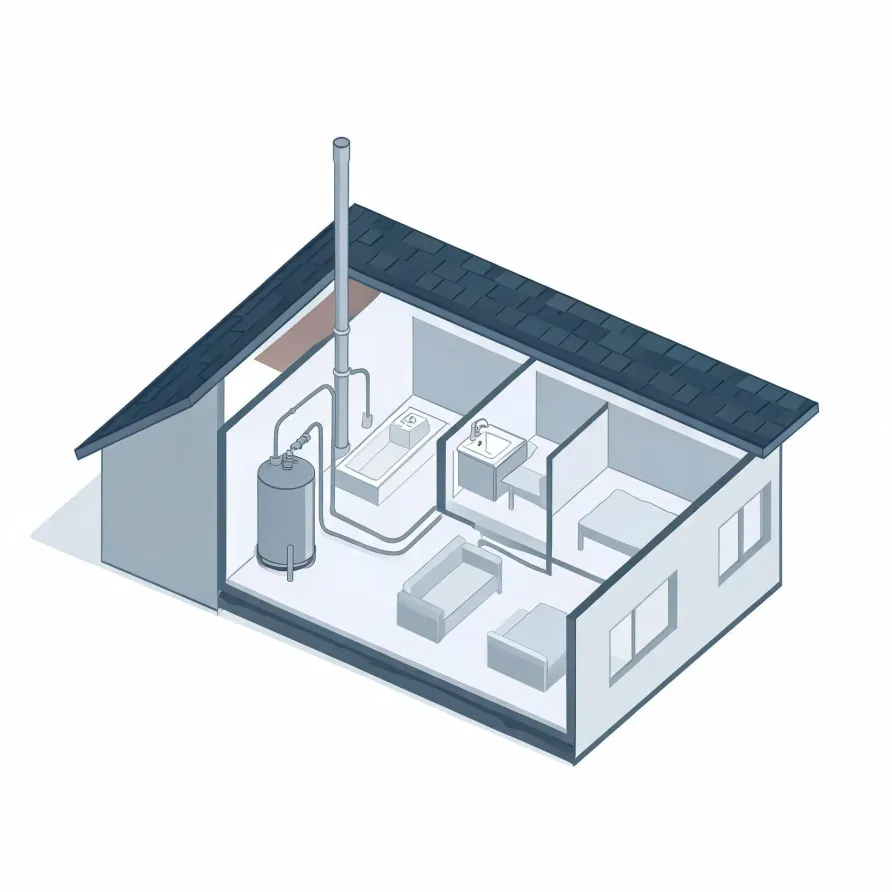
The tank or tankless unit is the center of the system. A storage-tank model sits in a utility closet, basement, or garage and holds a ready supply of hot water. A tankless unit mounts to a wall and heats water as it passes through, taking up far less floor space.
The cold-water supply line feeds into the unit from above or below, and the hot-water line runs out from it to every fixture in the house. A pressure-relief valve mounts directly on the unit as a safety device. A drain pan sits underneath to catch any water that escapes.
The drawing shows a typical layout, and a licensed contractor determines what applies to your specific home.
Find a contractor in Kootenai CountyKootenai County by the Numbers
730 severe weather events were recorded in Kootenai County, Idaho between 2015 and 2024.
NOAA National Centers for Environmental Information, Storm Events Database, bulk CSV export, events 2015-01-01 through 2024-12-31.Half the homes in Kootenai County, Idaho were built in 1996 or earlier (2020-2024 ACS 5-year).
U.S. Census Bureau, 2020-2024 American Community Survey 5-Year EstimatesKootenai County, Idaho holds 80,260 housing units (2020-2024 ACS 5-year).
U.S. Census Bureau, 2020-2024 American Community Survey 5-Year EstimatesOwners occupy 71.3% of the occupied homes in Kootenai County, Idaho (2020-2024 ACS 5-year).
U.S. Census Bureau, 2020-2024 American Community Survey 5-Year EstimatesSevere Weather Events in Kootenai County
Weather patterns in this part of Idaho put real demand on water heating equipment, driving harder recovery cycles and shortening the window between service calls. A water heater sized and installed for local conditions performs differently than one spec'd without it.
730 severe weather events, 2015–2024. Source: NOAA National Centers for Environmental Information, Storm Events Database.