Tell us about the job
Takes about a minute. No obligation.
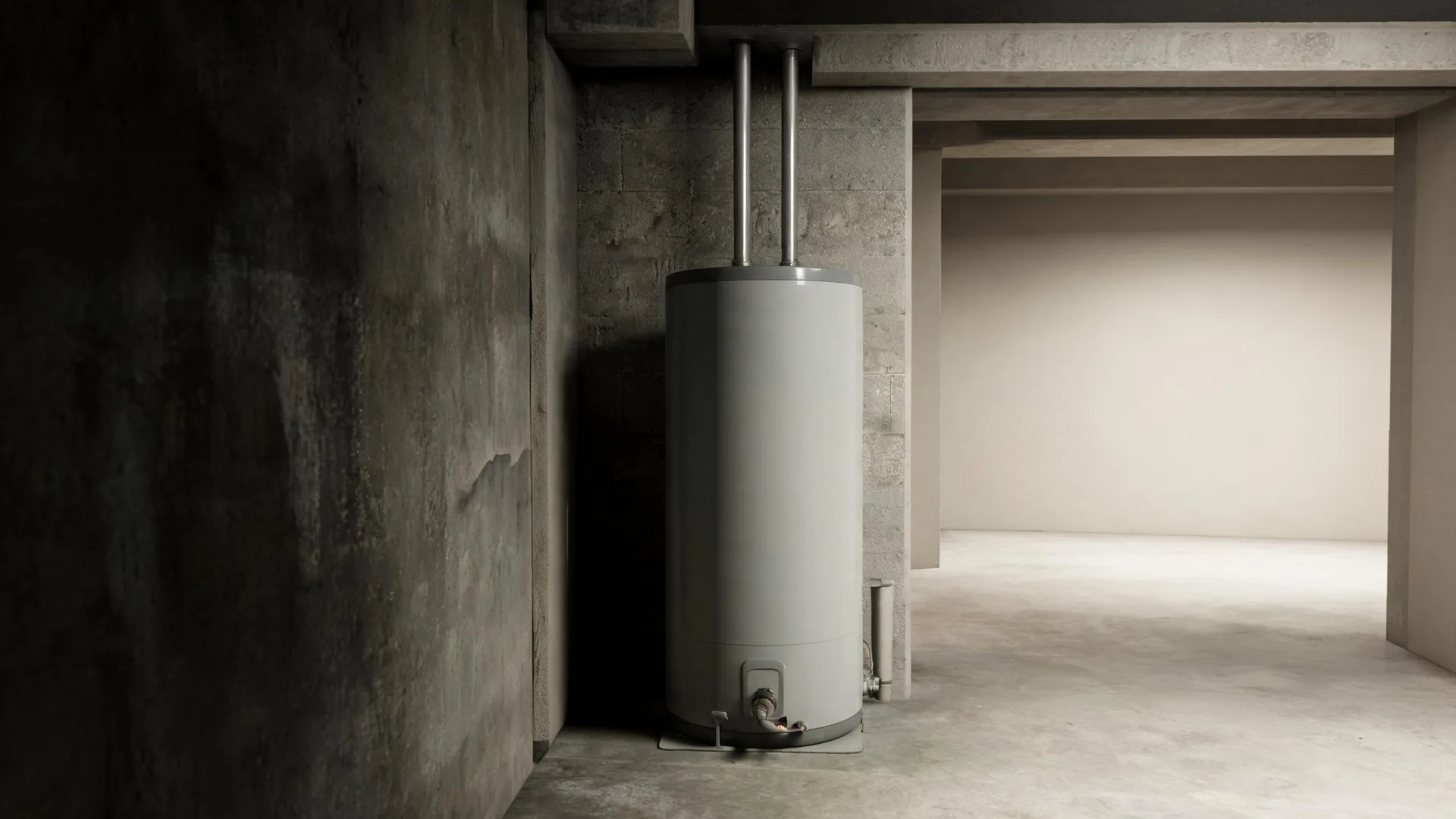
Electric water heaters draw hard on the home's electrical system every time the elements cycle, and in Latah County that is the standard situation rather than the exception. Electricity heats more occupied homes in Latah County, Idaho than any other fuel, at 50.7% (2020-2024 ACS 5-year). A contractor quoting a replacement here has to look at the service panel and the dedicated circuit before settling on a unit, because an element that pulls more current than the panel can deliver safely will trip breakers rather than heat water. Venting is not part of the conversation, but amperage is, and getting that wrong means the install fails on day one.
Electrical service panels in much of this county's housing were sized for loads that predate what a modern water heater draws. Half the homes in Latah County, Idaho were built in 1980 or earlier (2020-2024 ACS 5-year). A contractor quoting a new water heater installation has to check whether that panel can take the additional demand, and in older stock that answer is not always yes. If the panel falls short, the electrical upgrade gets priced alongside the unit, and that changes what the homeowner is deciding on.
What a New Water Heater Installation Covers
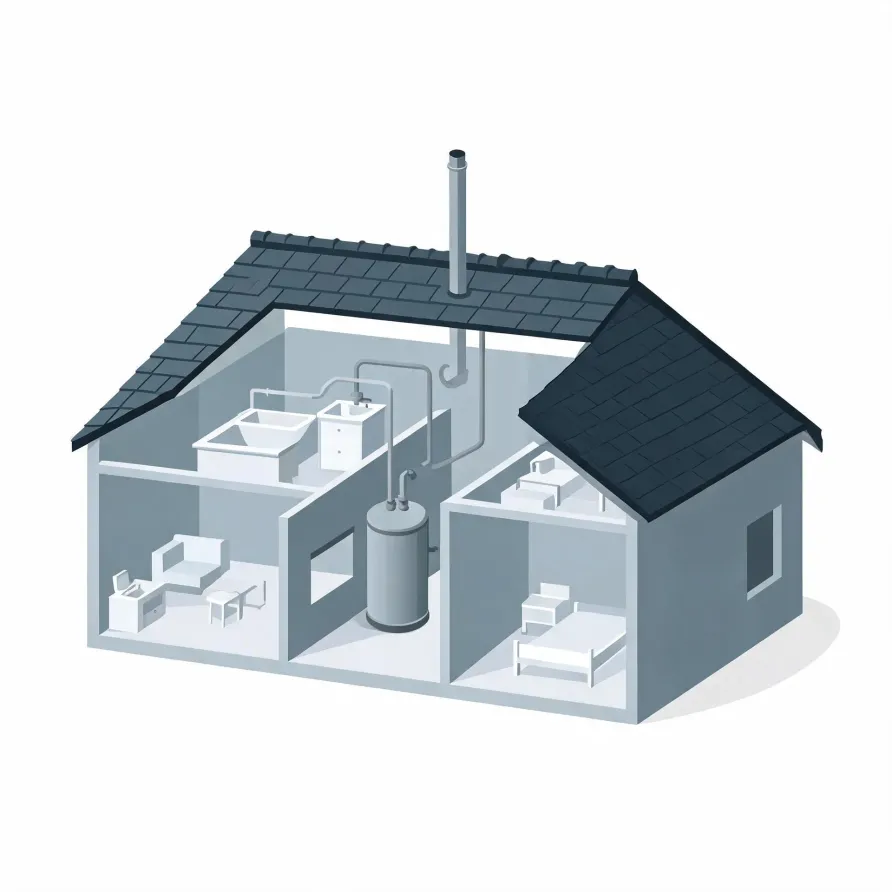
The tank is the piece a homeowner sees first, usually standing in a utility room, basement, or garage closet. It holds and heats a supply of water, keeping it ready at temperature. The burner assembly or heating element sits inside or beneath the tank and is what actually raises the water temperature.
The pressure relief valve mounts on the tank's side and opens automatically if pressure builds beyond a safe point. A discharge pipe runs from that valve down toward the floor. The cold-water inlet and hot-water outlet connections sit at the top of the tank, where the supply and distribution lines meet the unit.
The drawing shows a representative layout, and a licensed contractor determines exactly what applies to your home and its existing plumbing configuration.
Find a contractor in Latah CountyLatah County by the Numbers
278 severe weather events were recorded in Latah County, Idaho between 2015 and 2024.
NOAA National Centers for Environmental Information, Storm Events Database, bulk CSV export, events 2015-01-01 through 2024-12-31.Half the homes in Latah County, Idaho were built in 1980 or earlier (2020-2024 ACS 5-year).
U.S. Census Bureau, 2020-2024 American Community Survey 5-Year EstimatesLatah County, Idaho holds 17,591 housing units (2020-2024 ACS 5-year).
U.S. Census Bureau, 2020-2024 American Community Survey 5-Year EstimatesOwners occupy 58.7% of the occupied homes in Latah County, Idaho (2020-2024 ACS 5-year).
U.S. Census Bureau, 2020-2024 American Community Survey 5-Year EstimatesSevere Weather Events in Latah County
Extreme weather puts real stress on water heating equipment, shortening service life and driving up energy use between installations. How hard that pressure runs depends on local conditions, which is why the record for Latah County belongs on this page.
278 severe weather events, 2015–2024. Source: NOAA National Centers for Environmental Information, Storm Events Database.