Tell us about the job
Takes about a minute. No obligation.
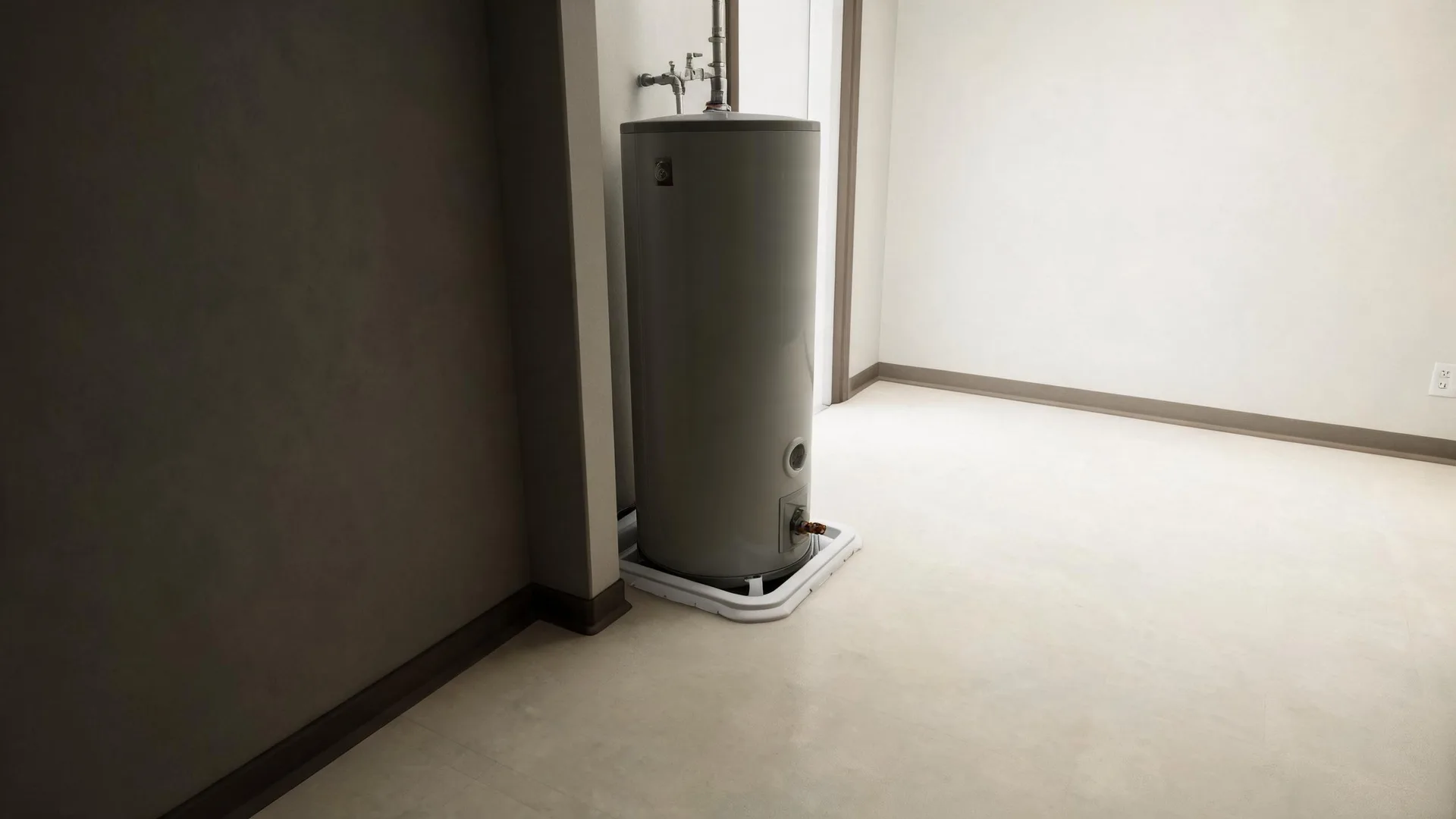
Gas water heater installation in Bannock County starts with what the house already has: a flue, a combustion air path, and a gas line sized for the load. Utility gas heats more occupied homes in Bannock County, Idaho than any other fuel, at 58.9% (2020-2024 ACS 5-year). That majority means most replacement jobs here are gas-to-gas swaps, but the existing vent configuration still has to be inspected before a contractor can spec the new unit. Draft hoods, direct vents, and power-vent configurations each require different clearances and termination points, and getting that wrong affects both safety and efficiency. A contractor confirms what the current setup allows before anything is ordered.
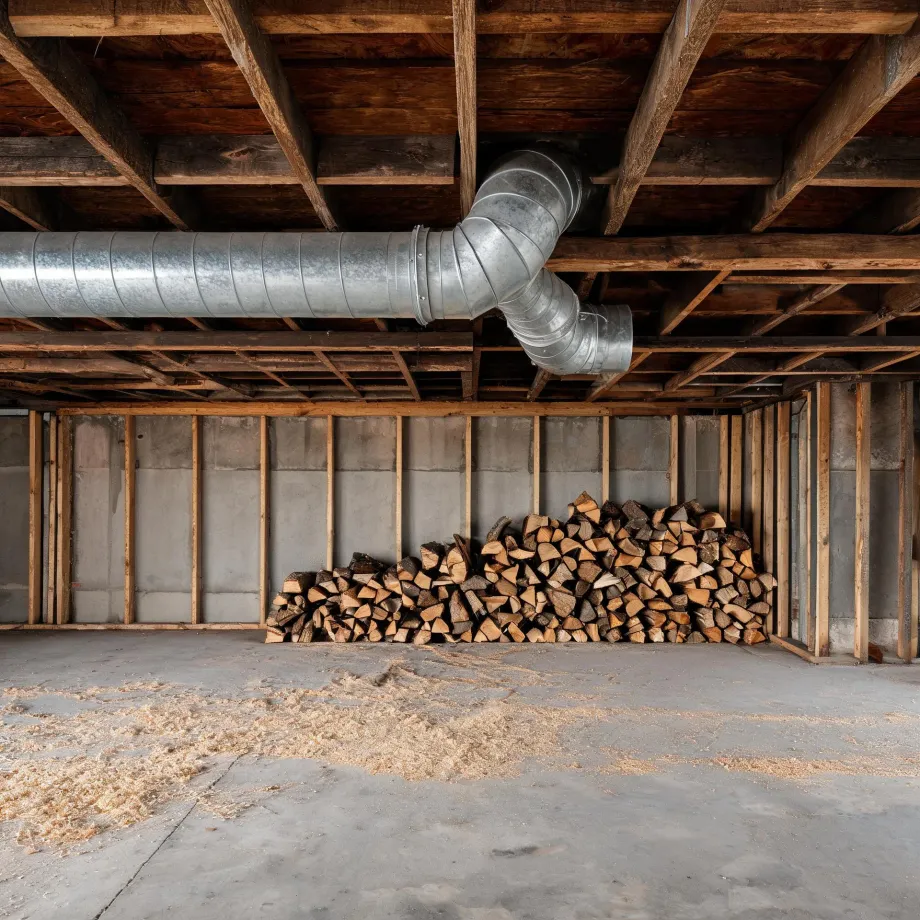
Older electrical panels built for lighter loads are what contractors run into repeatedly across this county's housing stock. Half the homes in Bannock County, Idaho were built in 1976 or earlier (2020-2024 ACS 5-year). A water heater installation draws on that existing service, and if the panel cannot carry it, the electrical work comes before the unit goes in. That assessment happens at the breaker box, not at the water heater itself.
What a Water Heater Installation Covers
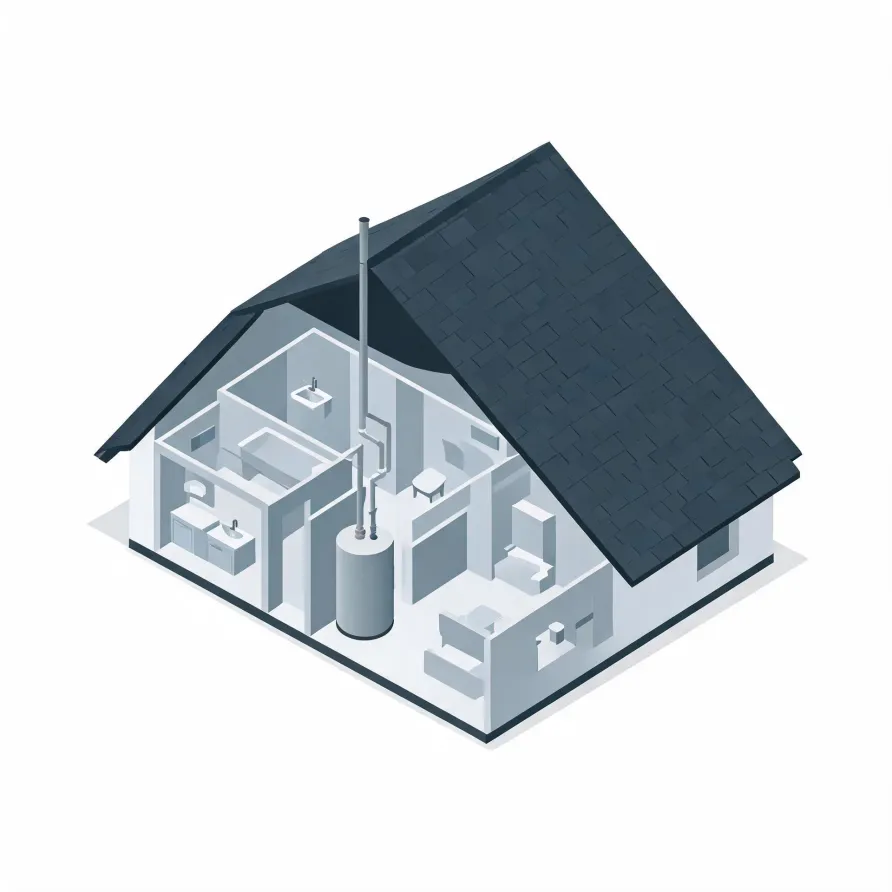
The tank or tankless unit is the center of the system. A storage tank sits in a utility room, basement, or garage and holds a supply of heated water ready for use. A tankless unit mounts on a wall and heats water only as it moves through.
Connected to the unit are the cold-water supply line coming in and the hot-water line going out to every fixture in the house. A pressure relief valve sits on the side of the unit as a safety device, and a drain line runs from it to a safe discharge point nearby.
The drawing shows a general layout of these components, and a licensed contractor determines exactly what applies to your house.
Find a contractor in Bannock CountyBannock County by the numbers
149 severe weather events were recorded in Bannock County, Idaho between 2015 and 2024.
NOAA National Centers for Environmental Information, Storm Events Database, bulk CSV export, events 2015-01-01 through 2024-12-31.Half the homes in Bannock County, Idaho were built in 1976 or earlier (2020-2024 ACS 5-year).
U.S. Census Bureau, 2020-2024 American Community Survey 5-Year EstimatesBannock County, Idaho holds 36,168 housing units (2020-2024 ACS 5-year).
U.S. Census Bureau, 2020-2024 American Community Survey 5-Year EstimatesOwners occupy 69.5% of the occupied homes in Bannock County, Idaho (2020-2024 ACS 5-year).
U.S. Census Bureau, 2020-2024 American Community Survey 5-Year EstimatesSevere Weather Events in Bannock County
Bannock County weather puts real demands on water heating equipment, driving it harder during cold stretches and recovery periods that follow storm-related outages. A water heater sized and installed for local conditions handles that load differently than one spec'd for a milder place.
149 severe weather events, 2015–2024. Source: NOAA National Centers for Environmental Information, Storm Events Database.