
Water heater pilot light keeps going out in Idaho
A pilot light that won't stay lit usually comes down to the thermocouple, the small sensor that sits in the flame and tells the gas valve it's safe to keep the gas flowing. Once it wears out or sits out of position, it reads the flame as out even when it isn't, and the valve shuts the gas off. A weak pilot flame, a draft reaching the burner chamber, or a clogged pilot tube can cause the same thing. Since most homes in Idaho heat water with gas, this is a common call, and it's worth taking seriously rather than relighting it over and over. A pilot that won't hold usually means a part needs replacing, not adjusting, and a water heater that keeps shutting off its gas supply will eventually leave you without hot water at all. Catching it now, before it fails outright, is the difference between a simple repair and a cold shower some morning.
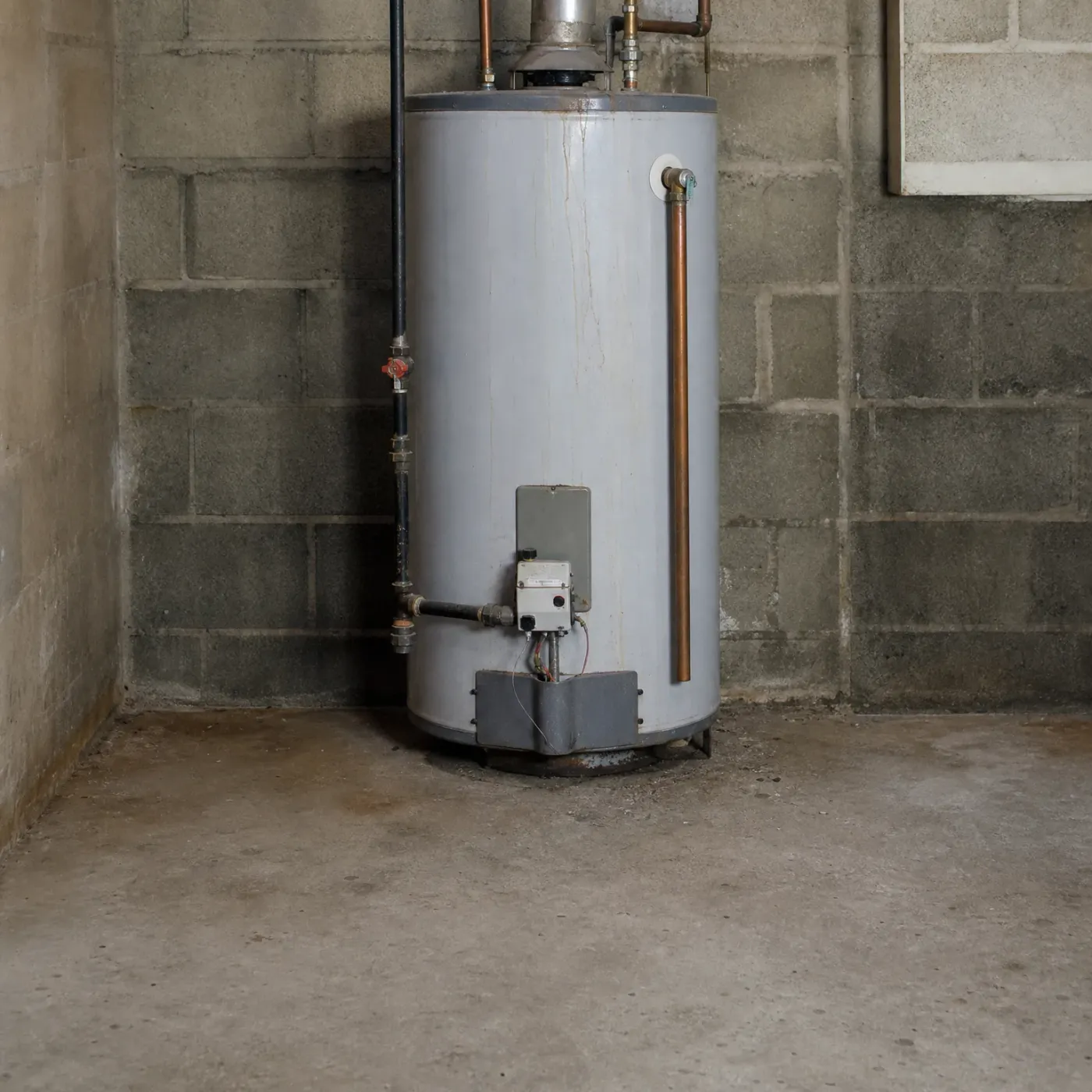
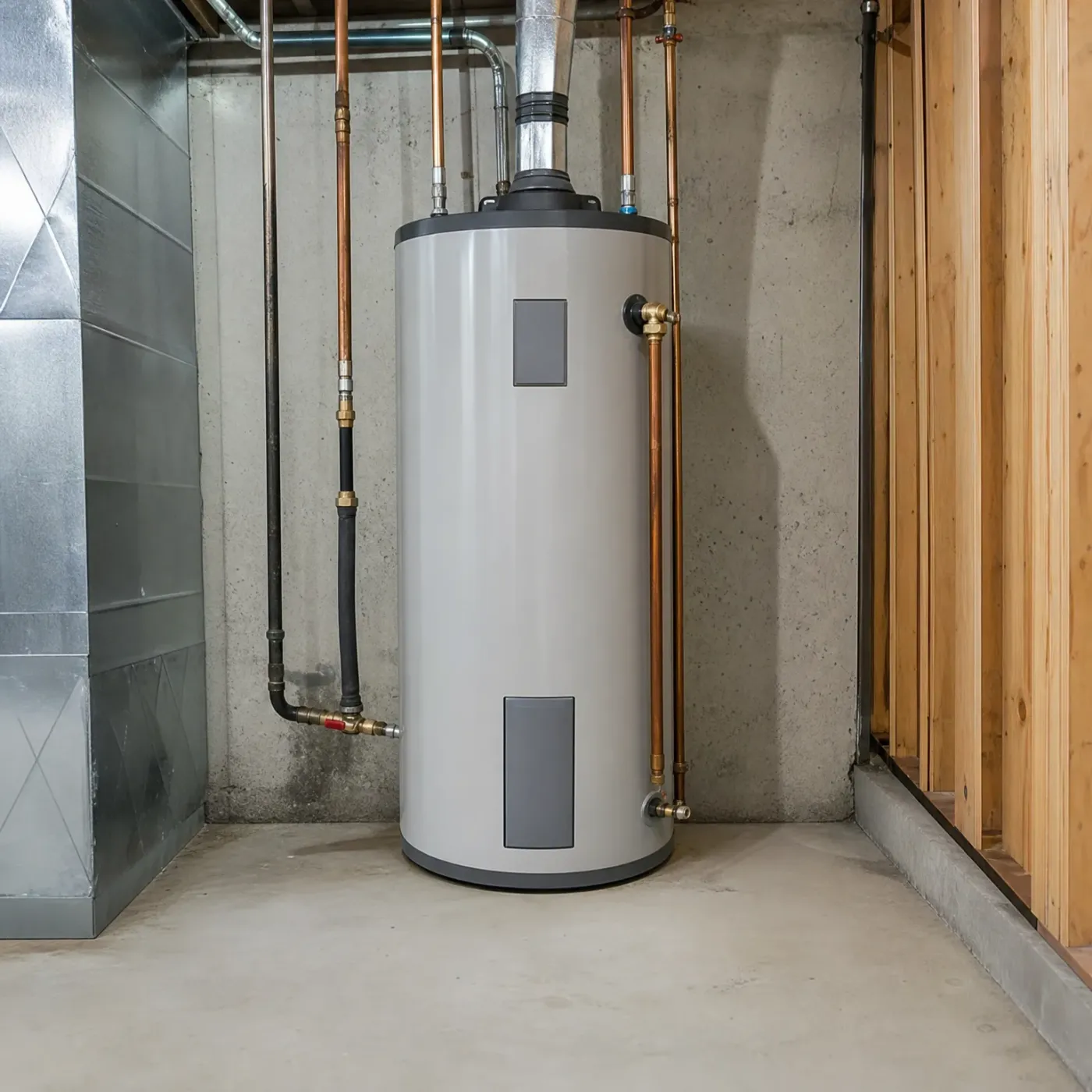
The pilot flame has to touch the thermocouple at a specific spot, about half an inch from the tip, for it to work at all. That contact is what generates the small current that holds the gas valve open. Nothing else powers it. So anything that weakens the flame or blocks contact with the tip stops the signal, even if the pilot looks fine to you. Soot buildup does this slowly, coating the sensor until it can't read a flame sitting right in front of it. A bent or loose thermocouple does it fast, usually right when you let go of the gas knob after relighting. Drafts cause a different problem. A vent nearby or a dirty pilot tube can blow the flame out before the thermocouple ever gets involved. On some water heaters, there's no separate thermocouple at all, just a pilot generator or control module built into the gas valve, and that part wears out the same way. Worth knowing which one you have before anyone takes the cover off.
How the thermocouple actually fails
- A thermocouple has to sit directly in the pilot flame, usually about half an inch deep, or it won't heat up enough to open the gas valve.
- The thermocouple runs on the tiny electric current the pilot flame itself generates, so a weak or drafty flame can keep it from ever reading hot.
- Dirt or soot on the tip acts like insulation and stops the thermocouple from sensing the flame even when it's lit right in front of it.
- A thermocouple that's worked loose or bent away from the flame will shut the gas valve seconds after you let go of the knob.
- Some gas valves have a separate pilot generator or control module, and that part can fail the same way a thermocouple does.
- A draft from a nearby vent or a dirty pilot tube can snuff the flame out before the thermocouple ever gets a chance to fail.
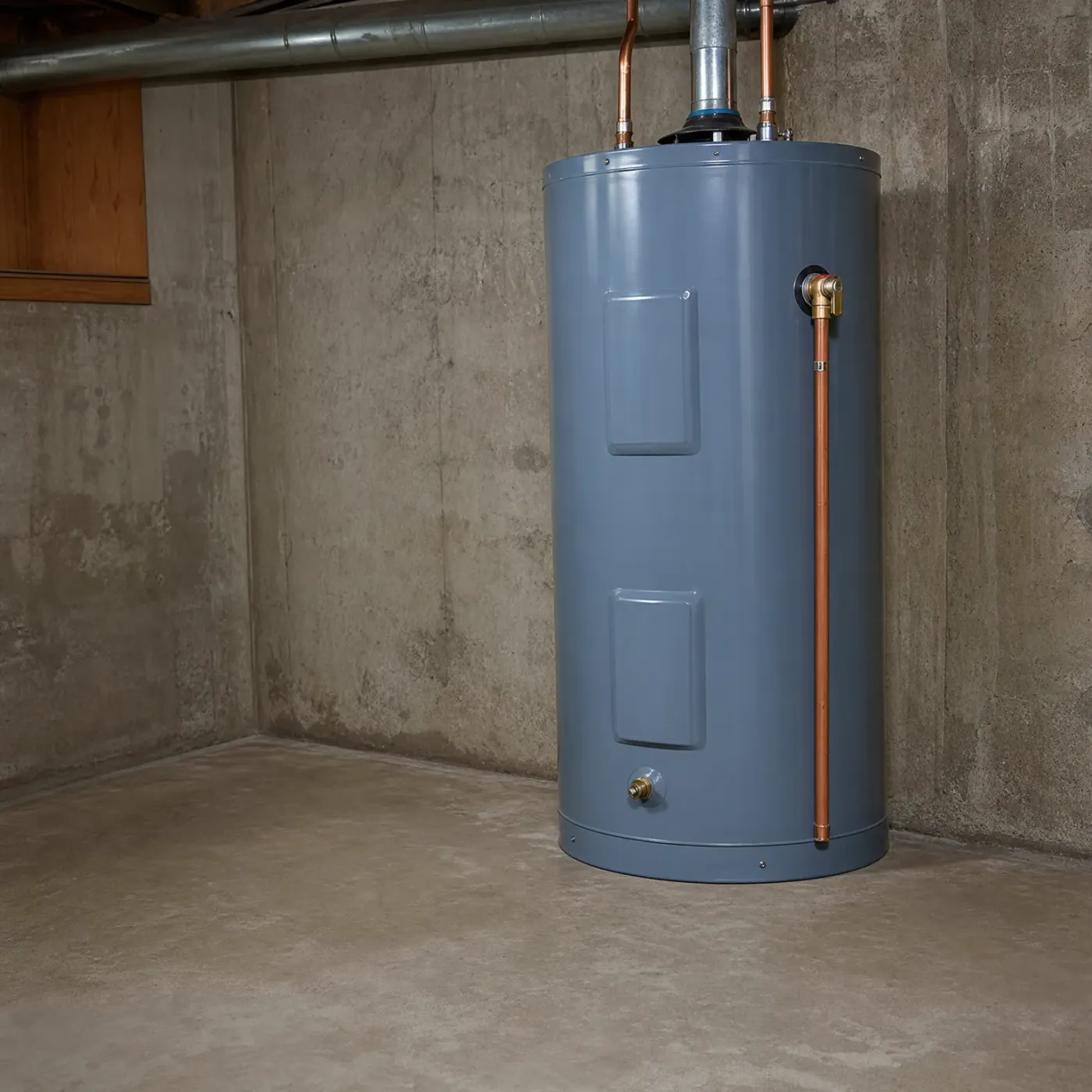
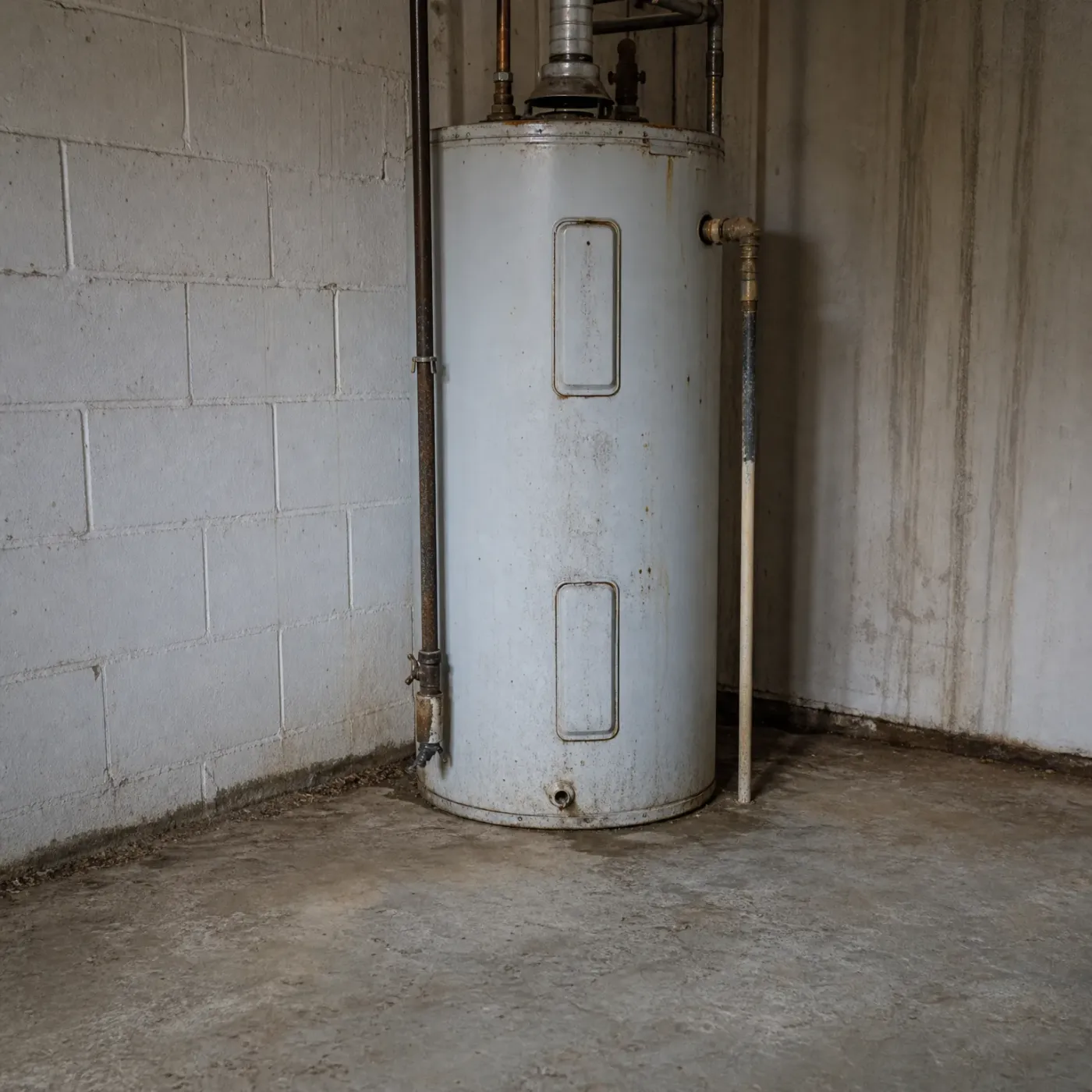
Why does my pilot light keep going out?
You've probably relit it a few times already, holding the button down and counting to thirty like the sticker says, and it catches, and a day or two later you're back down there in the dark doing it again. Maybe you've noticed the flame looks thinner than it used to, or more yellow than blue. Maybe there's a faint gas smell right when it goes out. If you've got no hot water in the morning because the pilot quit overnight, that's the thermocouple telling the gas valve to shut everything down, and it will keep doing that until the part is fixed. Left alone, you're stuck re-lighting a water heater on no schedule you control.

Gas flows to the pilot and you light it by hand.
The flame heats the thermocouple tip sitting inside it.
The thermocouple sends a tiny current to the gas valve.
That current holds the valve open and keeps gas flowing.


A thermocouple is rated to do one thing: hold a valve open as long as it stays hot enough. It doesn't adjust itself if it slips out of place.
So a pilot that goes out once a week and one that goes out once a month point to the same part failing, just further along. Either way it's worth having someone check it before it quits for good.




Hand off the water heater problem
Describe what your water heater is doing once, in one form.
After you send the request, you're done searching.
Sending the form costs nothing.

A water heater that won't hold pilot means cold water sooner or later
Right now it's still catching when you hold the button down, so you've got hot water. But a thermocouple that's drifted out of place or worn thin doesn't fix itself, and the gaps between relights tend to close up. At some point you'll go down to shower water that never warms, with no pilot to light because it won't hold once you let go of the button.
There's also the gas itself to think about. A pilot that keeps dropping out and getting relit by hand, over and over, is a sign something in that small flame isn't working the way it should. Instead of spending another evening searching for someone licensed to work on gas appliances, then explaining the same thing twice over the phone while you compare who can even come out, you can send one form and let someone find you instead.

51.6% of homes statewide heat with gas
Most houses in Idaho run a gas water heater, same as yours probably does. That pilot and thermocouple setup is the one a contractor will know on sight, with the parts on hand to fix it on the first visit instead of ordering something in.
ACS 2020-2024 5-year B25040
Where this leaves you
- A pilot that won't hold almost always traces back to a worn or misplaced thermocouple, not the burner or the gas line.
- The flame itself has to sit right on the thermocouple tip or the part never gets hot enough to keep the valve open.
- Relighting it by hand buys you a day or two, but the part that's failing keeps failing until it's replaced.
- Gas water heaters are the common setup in Idaho homes, so a contractor will likely have the thermocouple on the truck already.
- Skipping the search for a contractor, the calls, and repeating the problem to each one is what gets handled once you send the form.
- Left alone, the gaps between relights get shorter until the pilot won't catch at all and the hot water stops.
A pilot that won't hold is almost always the thermocouple, worn thin or sitting off the flame, telling the gas valve to shut off when nothing's actually wrong. Relighting it yourself works for a day, maybe two, but the part doesn't get better on its own. Each time it drifts further out of position or the metal wears a little more, and the stretch between relights gets shorter until one day it just won't catch. That's the point where you're standing in front of a cold tank wondering what changed, and the answer is nothing changed, the thermocouple just finally gave out all the way. Since gas water heaters are what most homes here run, a contractor showing up already knows this setup and carries the part, so the fix doesn't wait on an order. What actually changes once you send the form is the part of this that's been yours to deal with: finding someone who does this work, calling a few numbers, explaining the pilot and the relighting and the thermocouple all over again to each one, then sorting through who quoted what. That work goes away. The water heater still needs a tech to open it up, pull the old sensor, and seat a new one where the flame reaches it. But you're not the one hunting for who does that anymore. You just send the form and the rest of it is off your plate.





Send one request and you're done looking
Answer a few questions instead of calling shop after shop.
You're not committing to anything by asking.