Tell us about the job
Takes about a minute. No obligation.
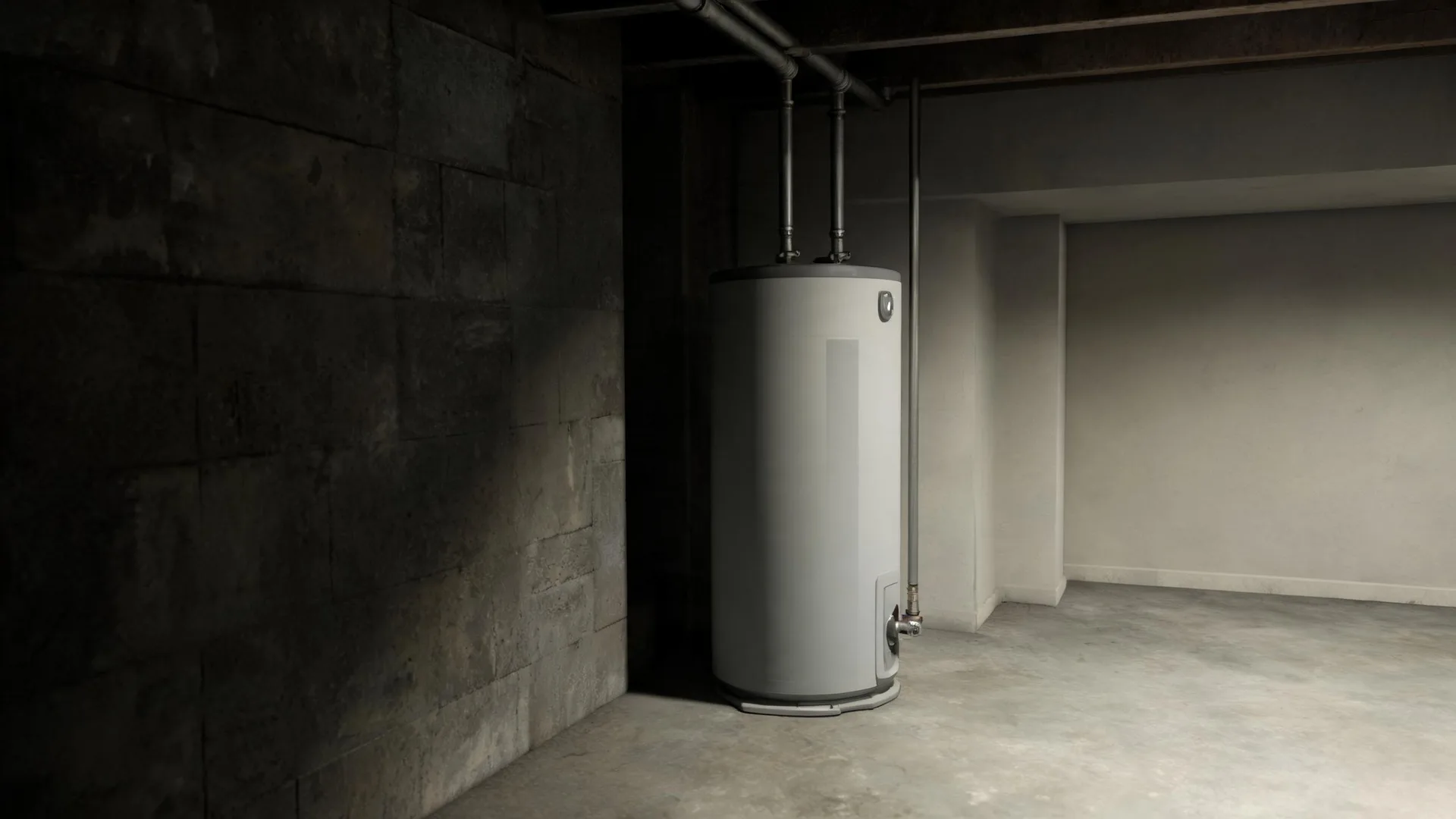
Electric water heaters have no burner to corrode, no flue to block, and no ignition sequence to fail. Electricity heats more occupied homes in Lewis County, Idaho than any other fuel, at 47.9% (2020-2024 ACS 5-year). A contractor repairing an electric unit here is almost always looking at the heating elements and the thermostats, because those are the parts that cycle under every draw the household makes. Sediment buildup accelerates element failure by forcing the element to work harder against insulation the mineral layer creates. The contractor checks both elements, upper and lower, and tests the thermostats before pricing any replacement parts.
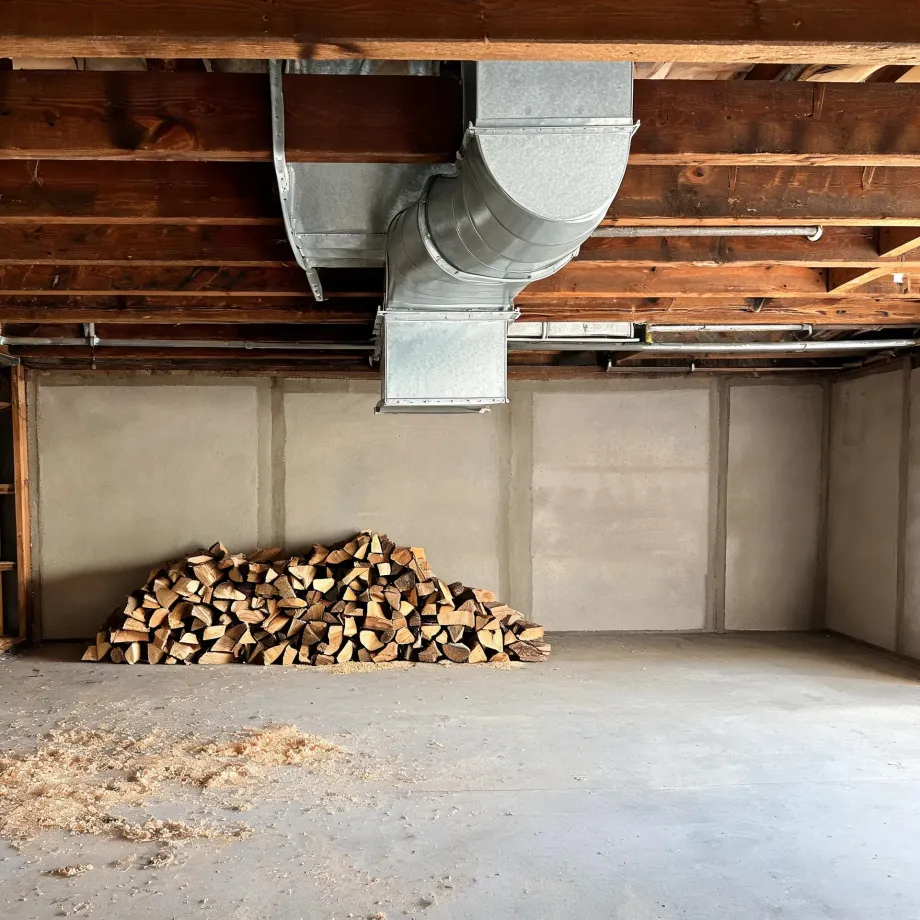
Plumbing runs, venting configurations, and the connections a water heater ties into were sized for what was standard when these houses went up. Half the homes in Lewis County, Idaho were built in 1965 or earlier (2020-2024 ACS 5-year). A contractor opening a failed unit here regularly finds that the repair answer depends on what the existing venting will accept, or whether the supply lines running to the heater are still in a condition worth working around. Those are the variables that change the scope of the job and, by extension, what the work costs.
The Parts of a Water Heater a Contractor Checks First
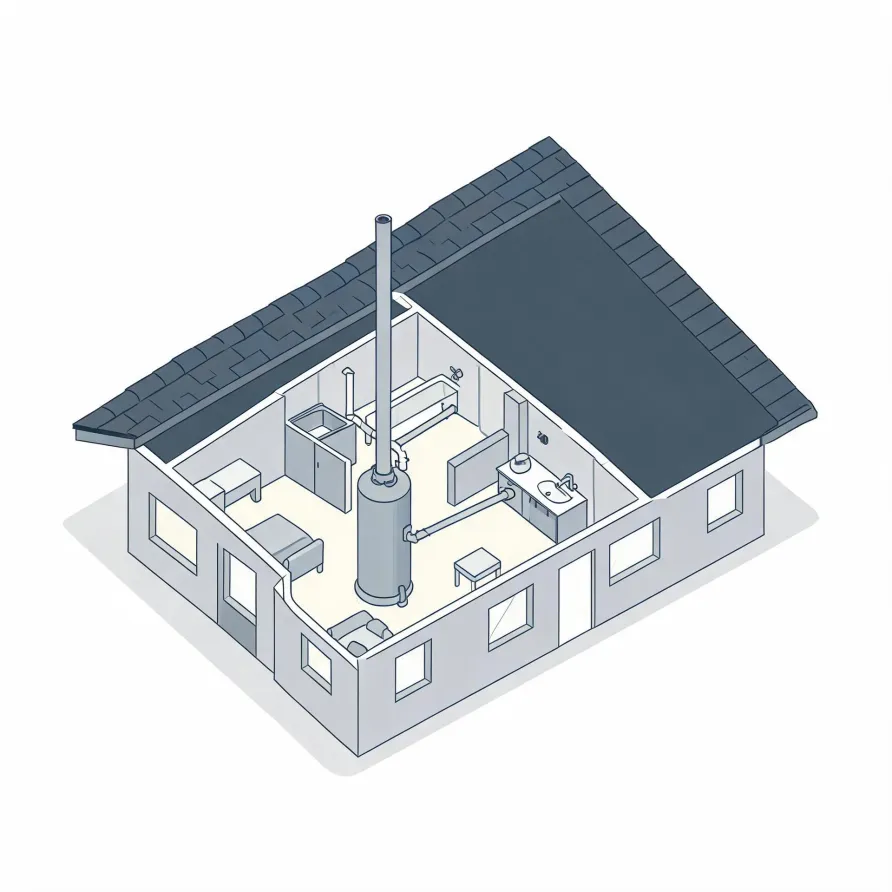
The tank is the most visible piece, usually standing in a utility room, garage, or basement. It holds the water and keeps it hot. The burner or heating element sits at the base or inside the tank, and when a water heater stops producing hot water, that component is where a contractor looks first.
The thermostat controls the target temperature and is mounted on the tank itself. The pressure relief valve, fixed to the tank's side or top, is a safety device that a contractor tests for proper operation. Supply and return pipes connect the tank to the rest of the house, and their fittings and connections get checked for corrosion or weeping.
The drawing shows a typical layout, and a licensed contractor determines what applies to the specific unit and installation in your home.
Find a contractor in Lewis CountyLewis County, Idaho, by the numbers
44 severe weather events were recorded in Lewis County, Idaho between 2015 and 2024.
NOAA National Centers for Environmental Information, Storm Events Database, bulk CSV export, events 2015-01-01 through 2024-12-31.Half the homes in Lewis County, Idaho were built in 1965 or earlier (2020-2024 ACS 5-year).
U.S. Census Bureau, 2020-2024 American Community Survey 5-Year EstimatesLewis County, Idaho holds 1,826 housing units (2020-2024 ACS 5-year).
U.S. Census Bureau, 2020-2024 American Community Survey 5-Year EstimatesOwners occupy 76.4% of the occupied homes in Lewis County, Idaho (2020-2024 ACS 5-year).
U.S. Census Bureau, 2020-2024 American Community Survey 5-Year EstimatesSevere Weather Events in Lewis County
Extreme weather puts real stress on water heating equipment, driving demand for repairs when systems work hardest. How often that pressure hits in Lewis County shapes what local water heaters face over time.
44 severe weather events, 2015–2024. Source: NOAA National Centers for Environmental Information, Storm Events Database.