

Sized right and running clean
A gas water heater that's sized correctly for your household does its job without strain. The flue stays clear, the connections stay tight, and it keeps up with your mornings without running out partway through.
Describe the project once instead of to every installer.
Fill out one formYou want to know what size water heater fits your household before you replace one or install a new one, so you're not stuck with cold showers or paying to heat water you don't use.
A single person or couple usually does fine with a 30 to 40 gallon tank. A family of three or four typically needs 40 to 50 gallons. Five or more people usually calls for 50 to 80 gallons. Since most homes here heat with gas, a gas tank recovers faster than an electric one of the same size, so you can often go a size smaller and still keep up with back to back showers. Tank size matters less if you're considering a tankless unit, since those are sized by how many fixtures run at once rather than by gallons stored. A plumber who installs these regularly can size it against your actual fixture count and usage, not just a household number.
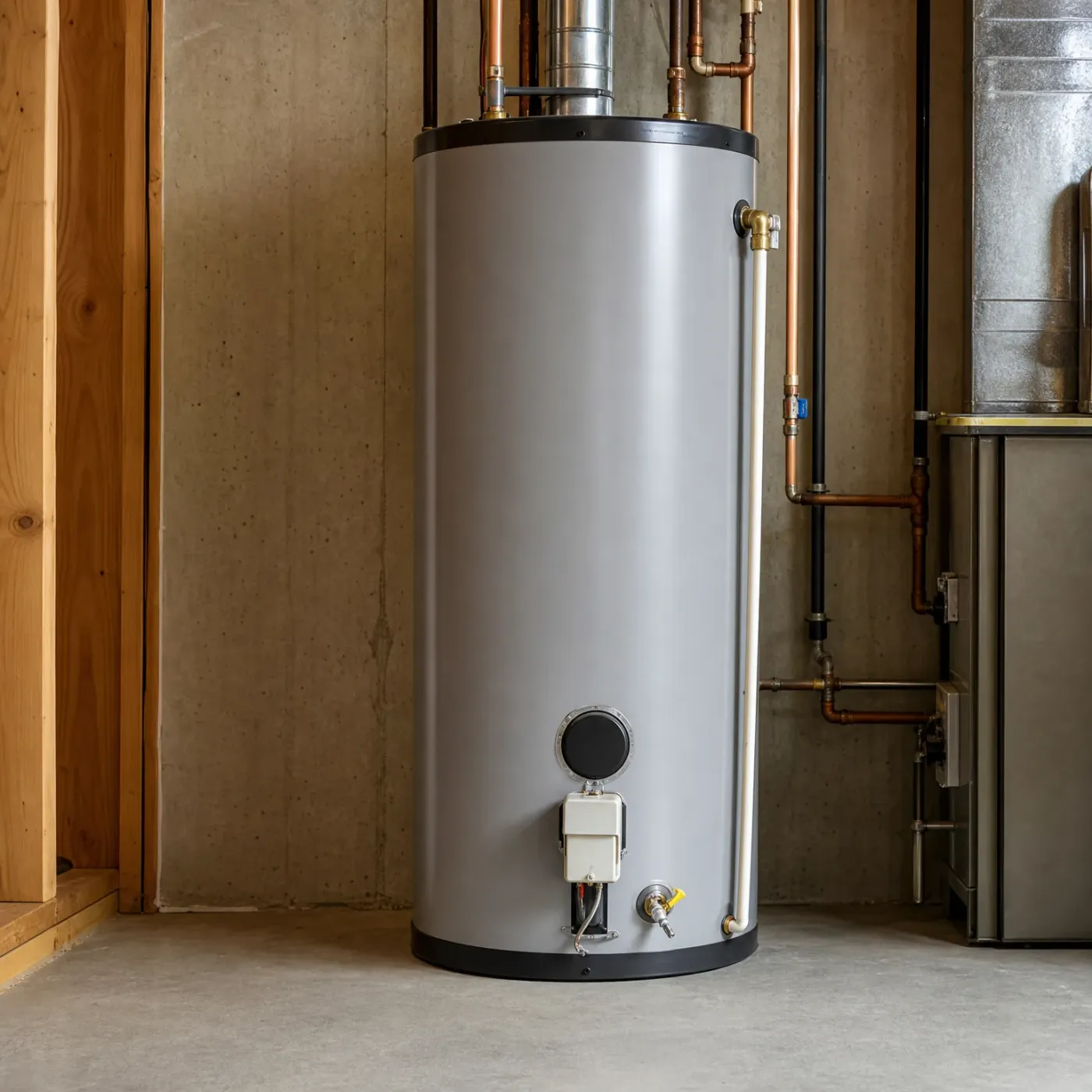
A gas water heater that's sized correctly for your household does its job without strain. The flue stays clear, the connections stay tight, and it keeps up with your mornings without running out partway through.
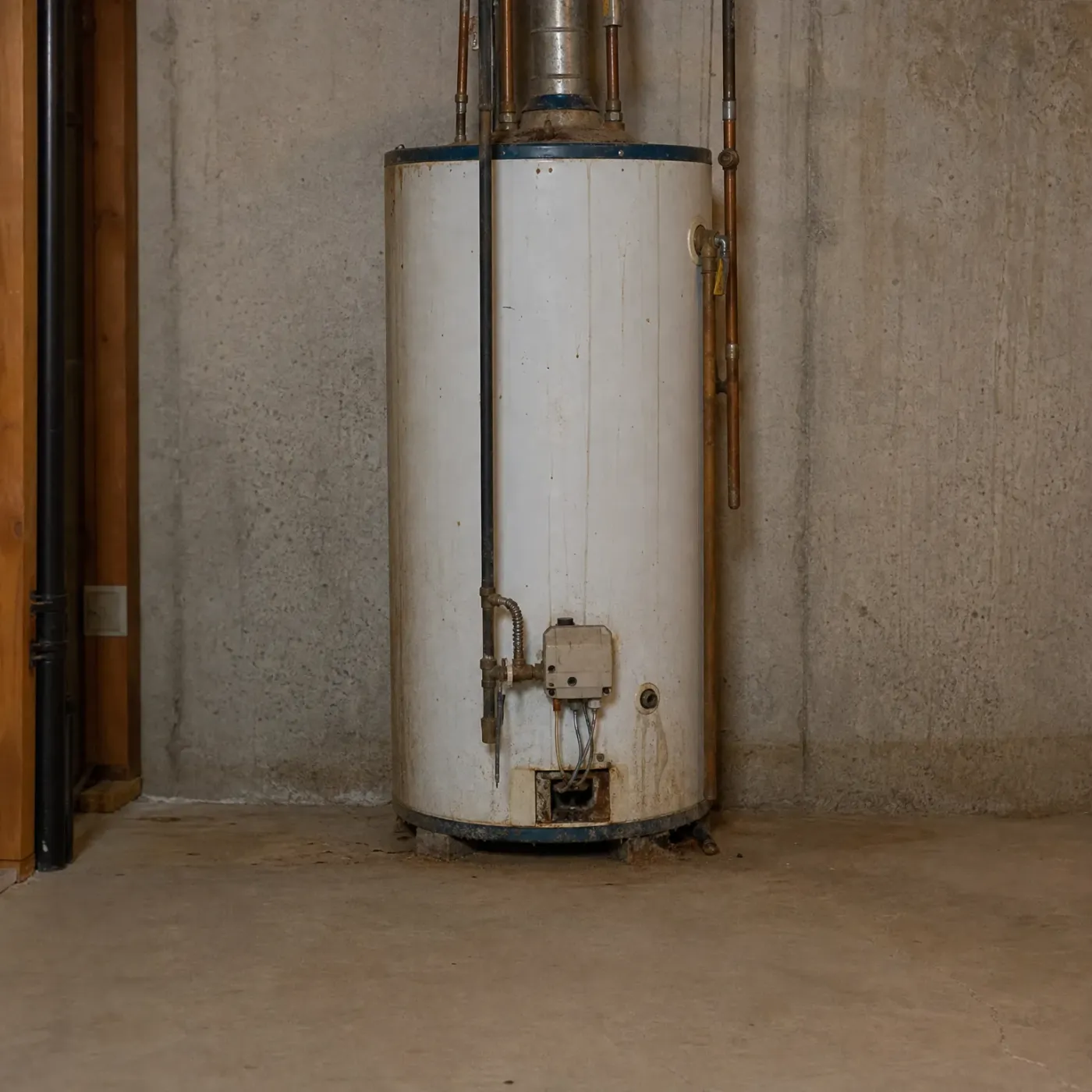
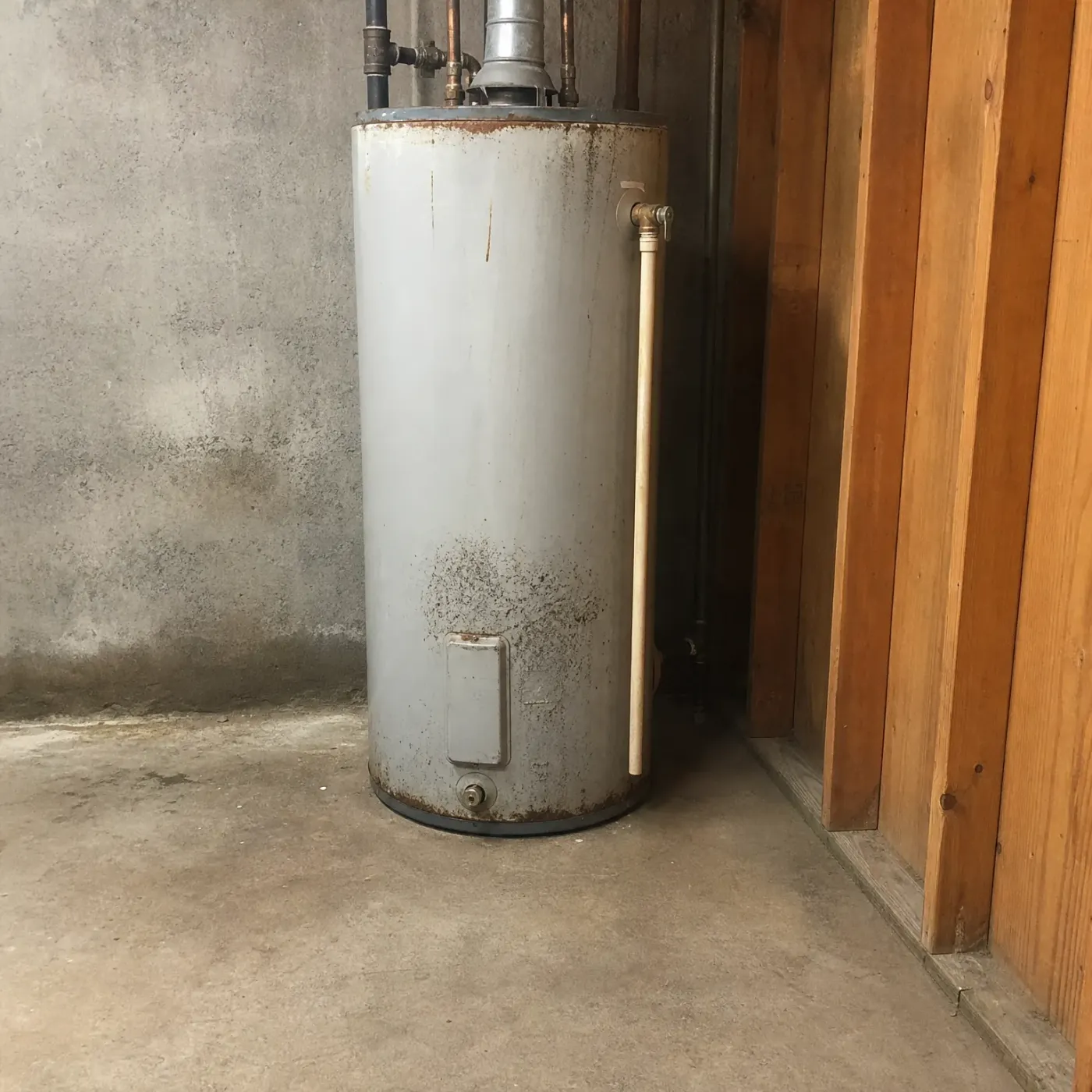
Rust stains and a corroded flue mean the tank has been working harder than it should for a while. Undersized units age faster than they need to, and once the tank corrodes, patching it isn't an option.
You probably already know if yours is undersized. The third shower of the morning turns lukewarm, or you're timing the dishwasher around laundry day. Maybe you've got a bigger household now than when this tank went in, more people, more showers, and the recovery just hasn't kept pace. On the other end, a tank too big for your house sits there heating water nobody's using, and with a gas unit that means the burner cycling more than it needs to. Either way, the size mismatch shows up on your gas bill before it shows up anywhere else. A tank running harder than it should also wears out its parts sooner, the thermostat, the burner assembly, the anode rod.
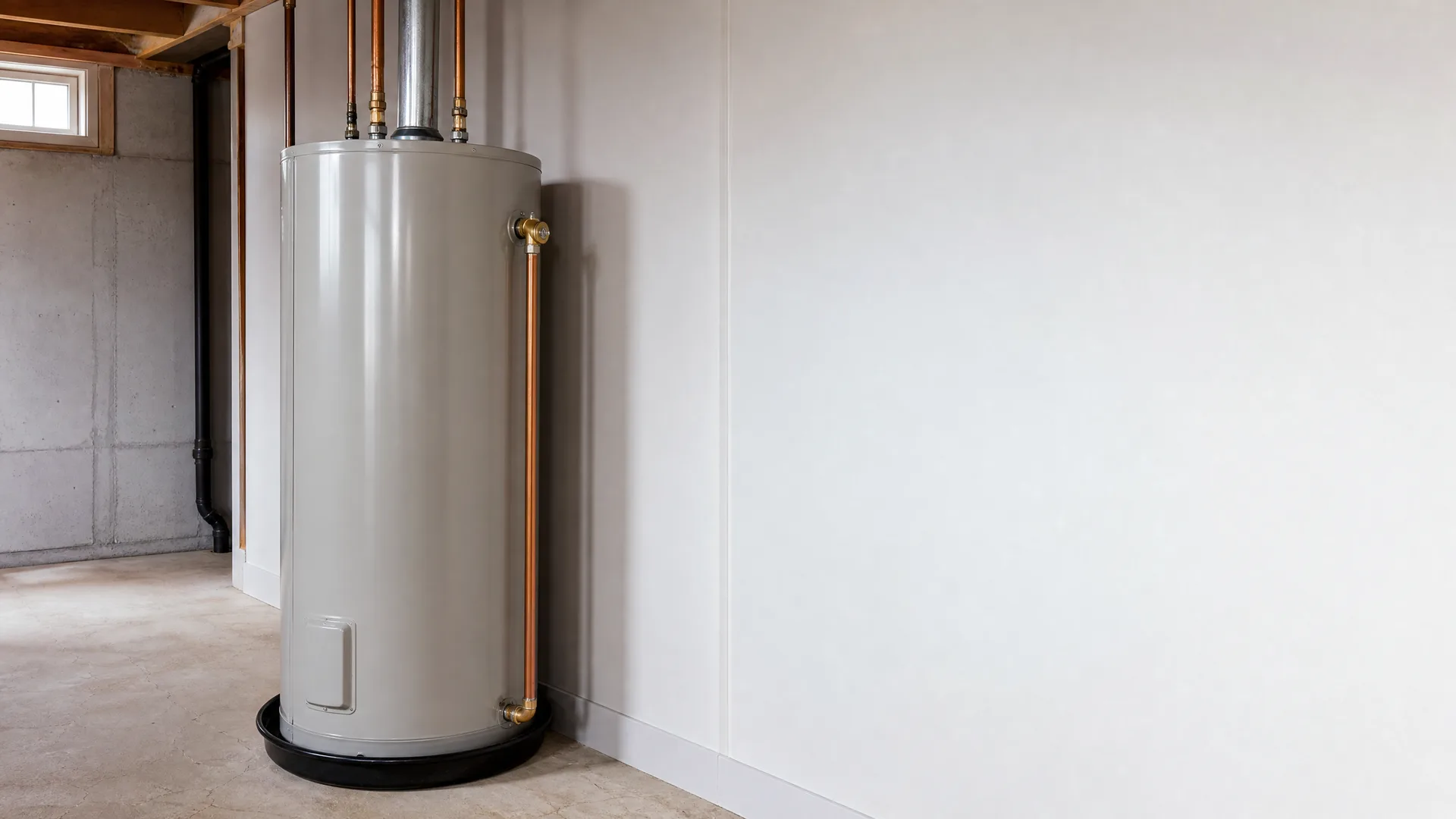
A gas water heater's first hour rating tells you how much hot water it delivers in an hour, not just what the tank holds. A 50 gallon tank with a strong burner can outperform a 50 gallon tank with a weak one, because gas heats the incoming cold water faster as it's used. That's why two tanks of the same size can run very differently for the same household.
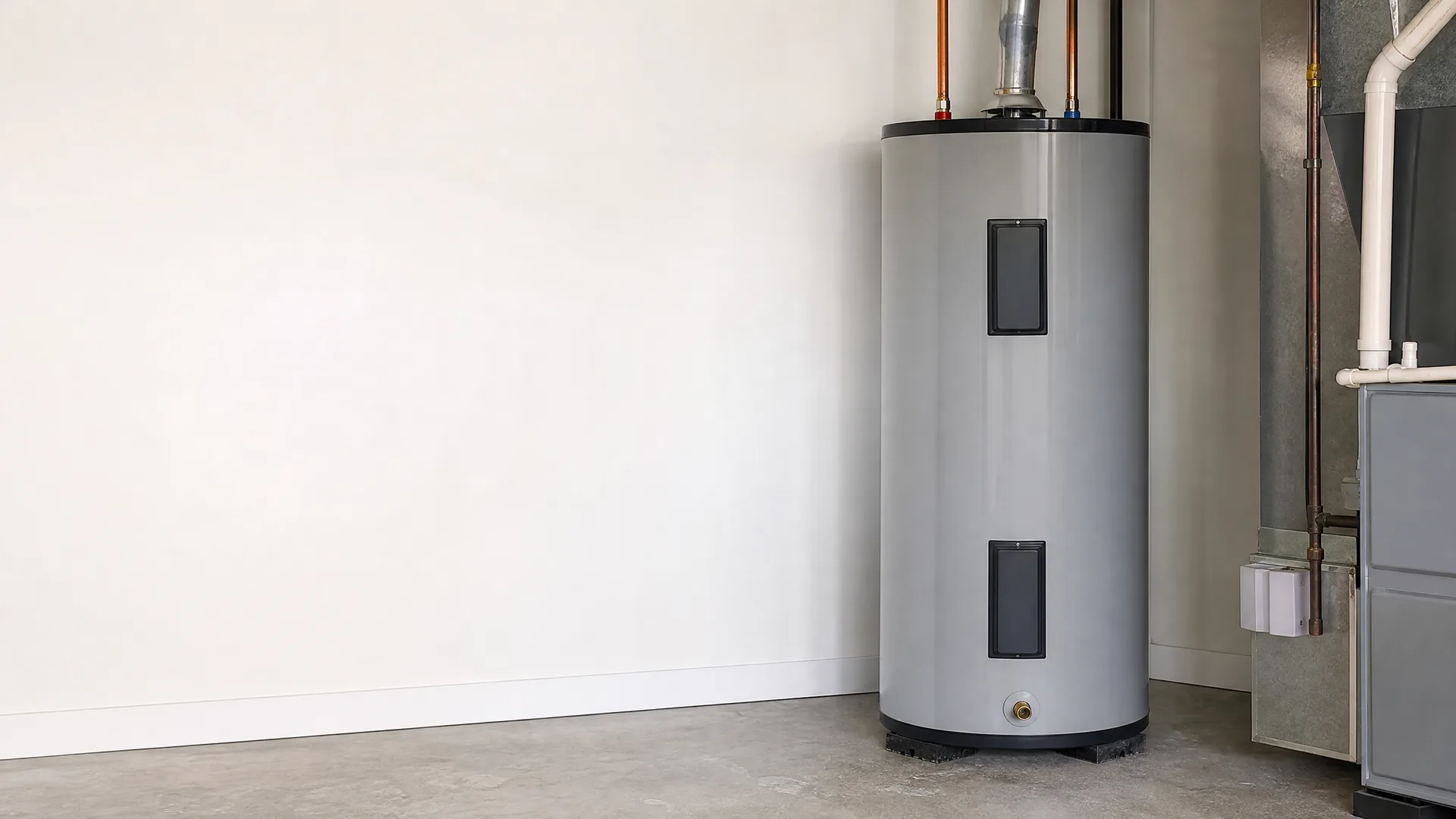
Since most homes in Idaho heat with gas, the tank itself can often run smaller than an electric equivalent would need to be. A gas burner reheats a full tank in under an hour in many cases, while electric elements take longer. That faster recovery is worth factoring in before sizing up the tank just to cover a busy morning.
Most houses in Idaho run on gas for heat, and yours probably does too. That means your water heater is almost certainly gas as well, sized by tank capacity and burner output rather than electric wattage. Whoever installs it needs to size the gas line and venting to match, not just the tank.
ACS 2020-2024 5-year B25040




Most Idaho homes already have the gas line run for one. A licensed local installer sizes the tank and burner to your household and sets the venting to code.
No tank to run out, but it needs a bigger gas line and a dedicated vent. A local installer who works on these regularly can tell you if your house can take one without a lot of extra work.
Your request stays with one local pro.
One form replaces the calls you'd make to find a water heater pro.
No fee to send it, and nothing to sign.
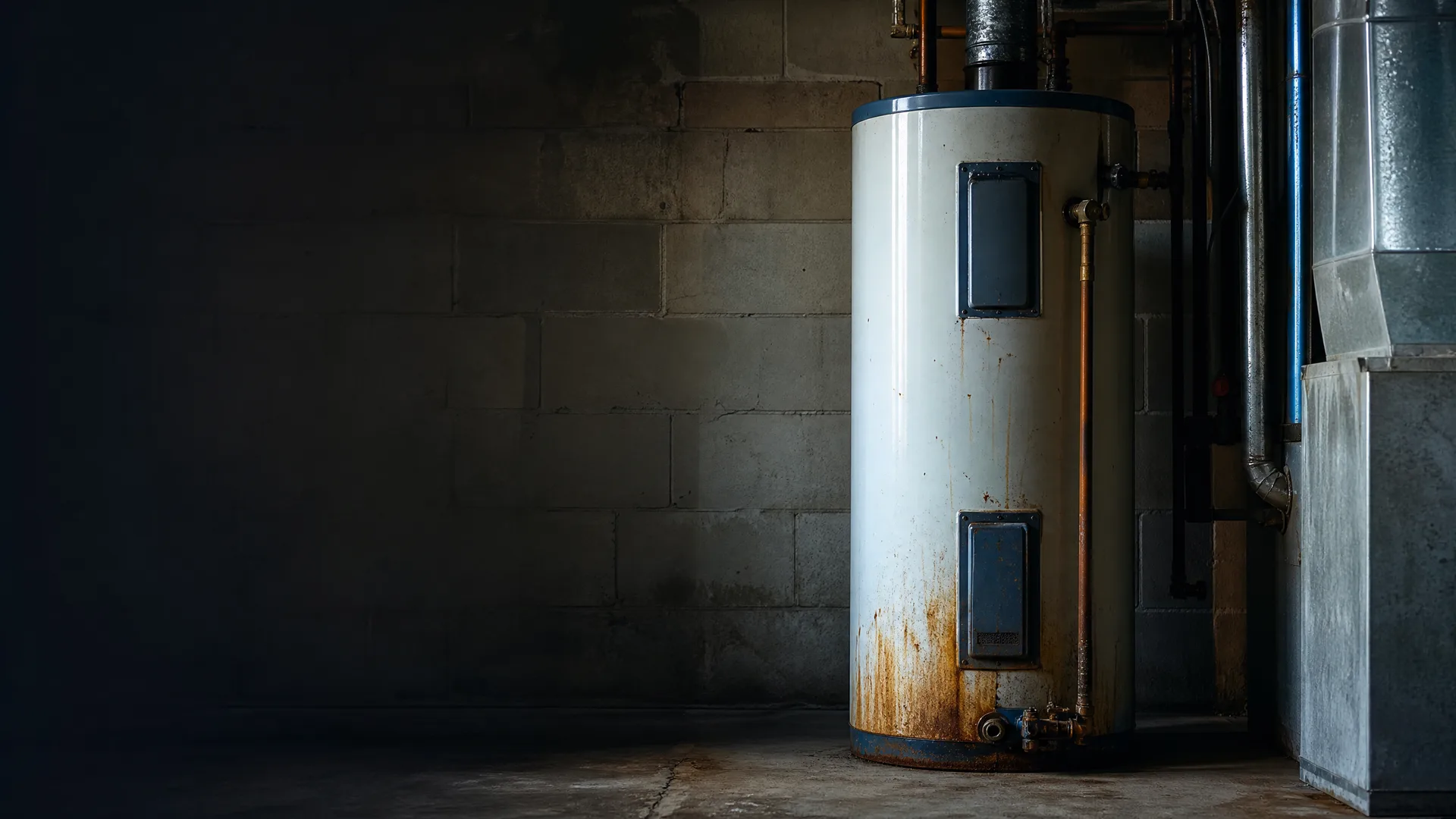
You go down to shut off the lights before bed and the smell hits you first, a little metallic. The tank sits in the corner where it's sat for years, and tonight you crouch down and see the streaks running down the side near the base, rust colored, drying into the concrete. The pilot light flickers steady behind the little window like nothing's wrong. Outside it's still warm from the day, the kind of dry Idaho heat that hangs on into the evening. You stand there a minute with your hand on the cold metal, doing the math on how many mornings you've got left before this decision gets made for you at six a.m. with no hot water at all.
The right size comes down to your household and how the old tank has or hasn't kept up, whether that means matching it again or sizing up because your mornings have changed. Gas sizing means getting the burner, the vent and the gas line right together, not just picking a tank number off a shelf. That's a job for someone who installs these in Idaho homes regularly and knows what the local gas and venting codes require this year, not just what they required when your current tank went in. One licensed installer looking at your actual setup, your gas line, your vent, your household, will get you a straight answer about what size fits, instead of a stack of quotes you have to sort through and compare on your own. You already know whether your hot water keeps up. The next step is getting the tank matched to your house by someone who does this work every week and won't guess at it.

Skip the search



