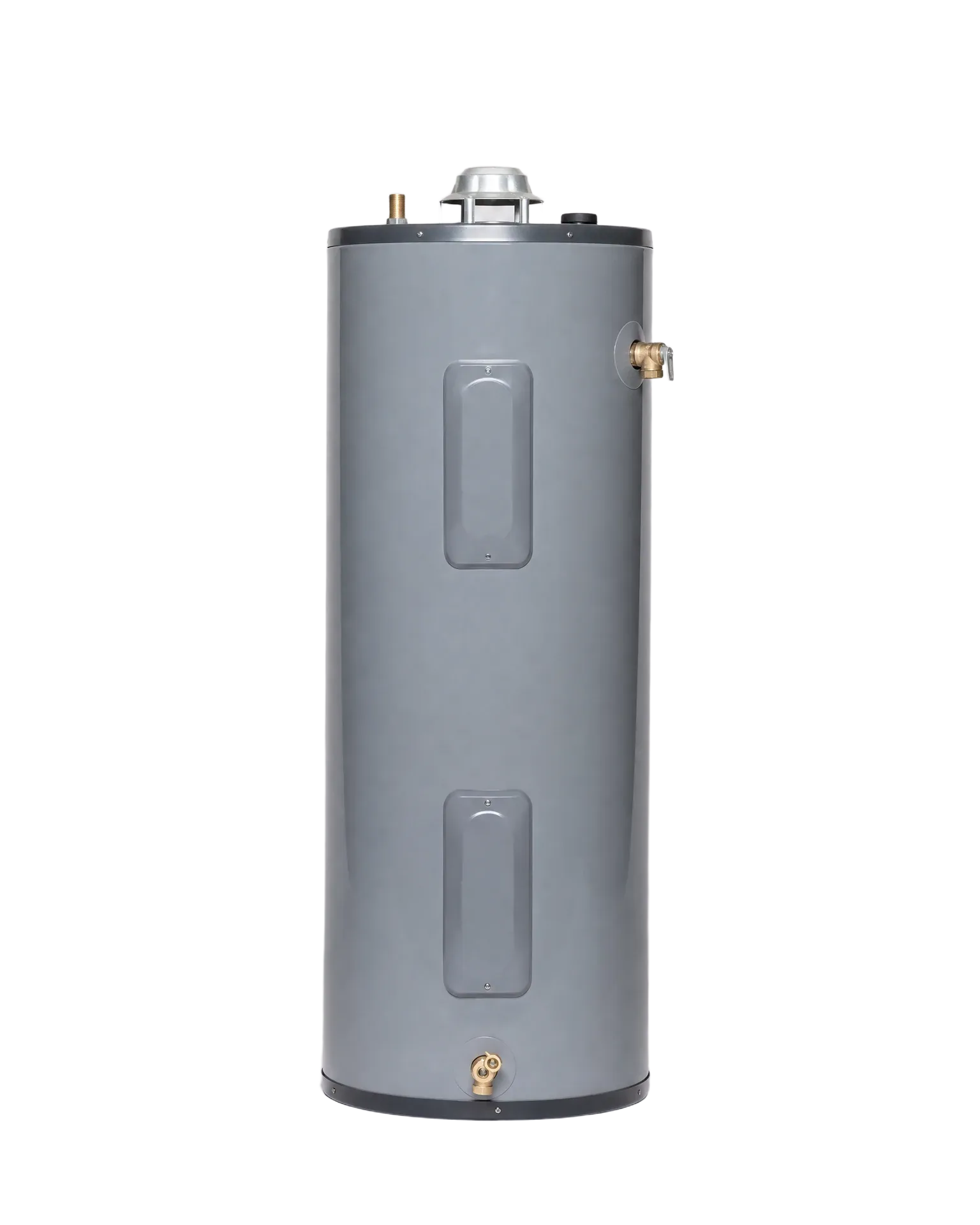
Why does my water heater make popping noises?
That popping or rumbling sound usually starts low and gets louder over weeks, especially right after the burner kicks on. You're not imagining it, and it's not the pipes settling. Idaho's water carries enough minerals that most gas water heaters here build up sediment at the bottom of the tank over time, and that's almost always what's behind the noise.
It's sediment trapped under the water, popping as the burner heats it
Sediment settles to the bottom of the tank and sits right where the gas burner applies heat. Water gets trapped underneath that layer, turns to steam, and pushes its way out with a pop or a rumble. The more sediment built up, the louder and more frequent the noise gets. Left alone, that layer keeps the burner working harder to heat the same amount of water, and it can scorch the bottom of the tank over time. The noise itself isn't dangerous on its own, but it's telling you the tank has been collecting sediment for a while and the burner isn't heating the water as directly as it should.
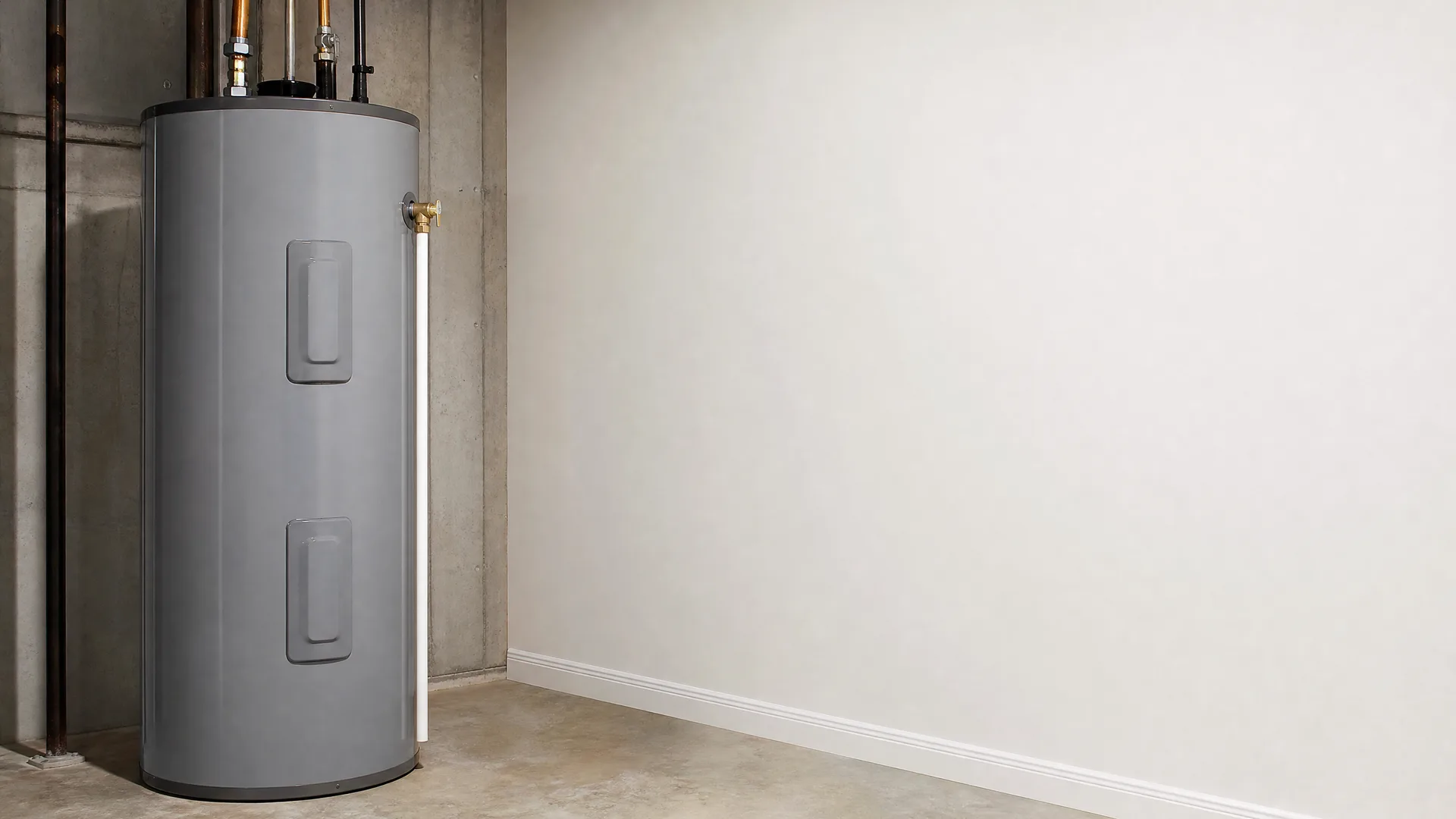
Sediment settles on the burner side
That layer builds up on the bottom of the tank, right over the gas burner. Water trapped underneath it heats faster than the water above, and it turns to steam. The steam pushes up through the sediment to escape, and that's the pop. The thicker the layer gets, the louder and more frequent the popping, since there's more water getting trapped and more steam working its way out each burner cycle.
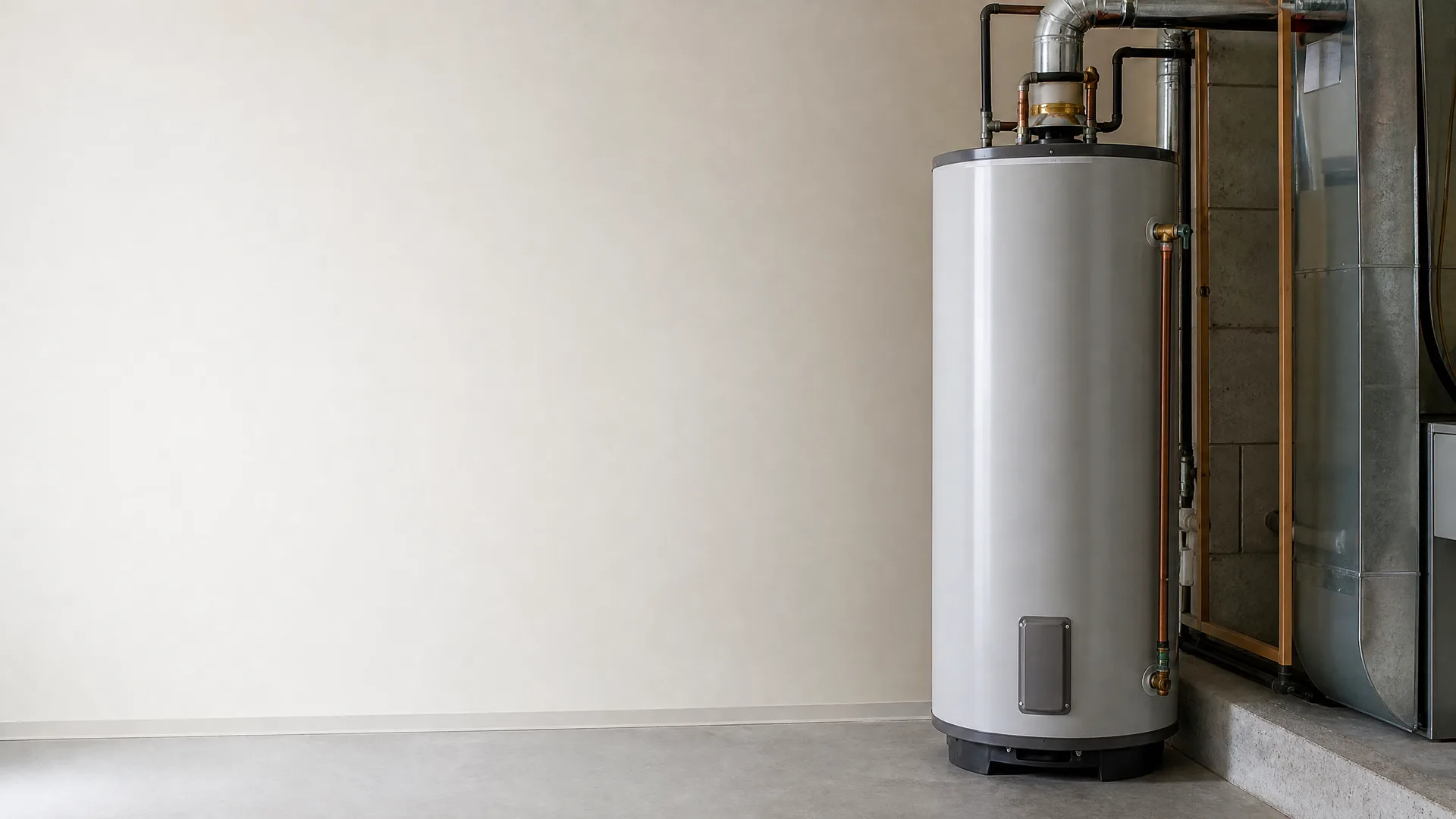
The burner works harder underneath it
Sediment acts like a blanket between the flame and the water it's supposed to heat. The burner has to run longer to get the same tank of water up to temperature, since the heat has to pass through that layer first. A gas water heater running longer cycles day after day is doing more work for the same result, and that shows up on the gas side of the bill before anything else does.
Flush It or Risk the Tank
Leave it alone
- The popping usually doesn't mean the tank is about to fail right away, so skipping a repair for now won't leave you without hot water tomorrow.
- Idaho's hard water means sediment comes back even after a flush, so you'd be paying again down the road regardless.
- The burner is working harder to push heat through that sediment layer, and gas usage creeps up even though nothing looks wrong on the outside.
- Left long enough, the trapped water under the sediment keeps turning to steam and hammering the tank bottom, and that's what cracks a tank early.
- Once a tank is cracked from the inside, there's no fixing it, only replacing it, which costs a lot more than the repair would have.
Get it looked at
- A contractor can flush the sediment out and check the burner and tank bottom in one visit instead of you guessing what's wrong.
- You skip the part where you'd be calling around Idaho for someone who works on gas water heaters and explaining the popping sound over and over.
- Once the form is sent, finding someone to handle it stops being your job, and that's the weight most people notice first.
- Catching it now, while it's still a sediment problem, is the cheaper visit, before heat and steam do more damage to the tank itself.
- A contractor can also tell you whether your water heater is old enough that a flush won't be enough to fix it for good.
Hard water minerals settle to the bottom of the tank
The gas burner fires underneath that layer of sediment
Water trapped under the sediment flashes into steam
Steam bubbles force their way up through the sediment




Hand off the water heater problem

Describe what your water heater is doing once, in one form.
You only hire the pro if you want to.
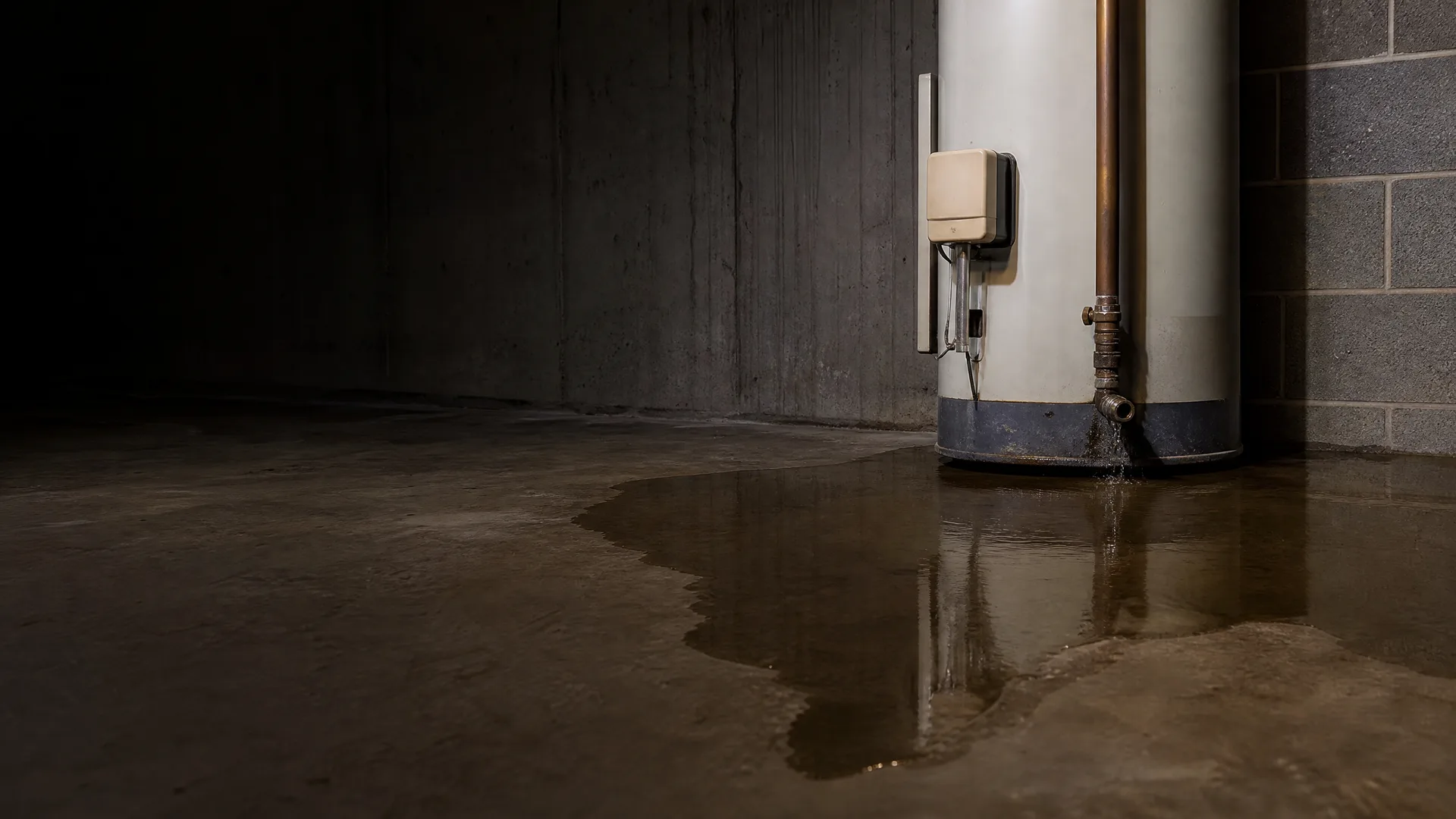
Saturday morning, and the furnace sound you've been half-ignoring is quiet for once. You're down in the basement for something else entirely, maybe the laundry, when you see it: a thin edge of water creeping out from under the tank and across the concrete toward the drain. The popping stopped sometime in the last day or two. You didn't notice when. Now the tank just ticks as it cools, and the puddle isn't growing fast, but it's not stopping either. You crouch down and touch the side of the tank near the bottom, where the metal feels damp rather than wet, and you know this isn't something that waits until Monday.
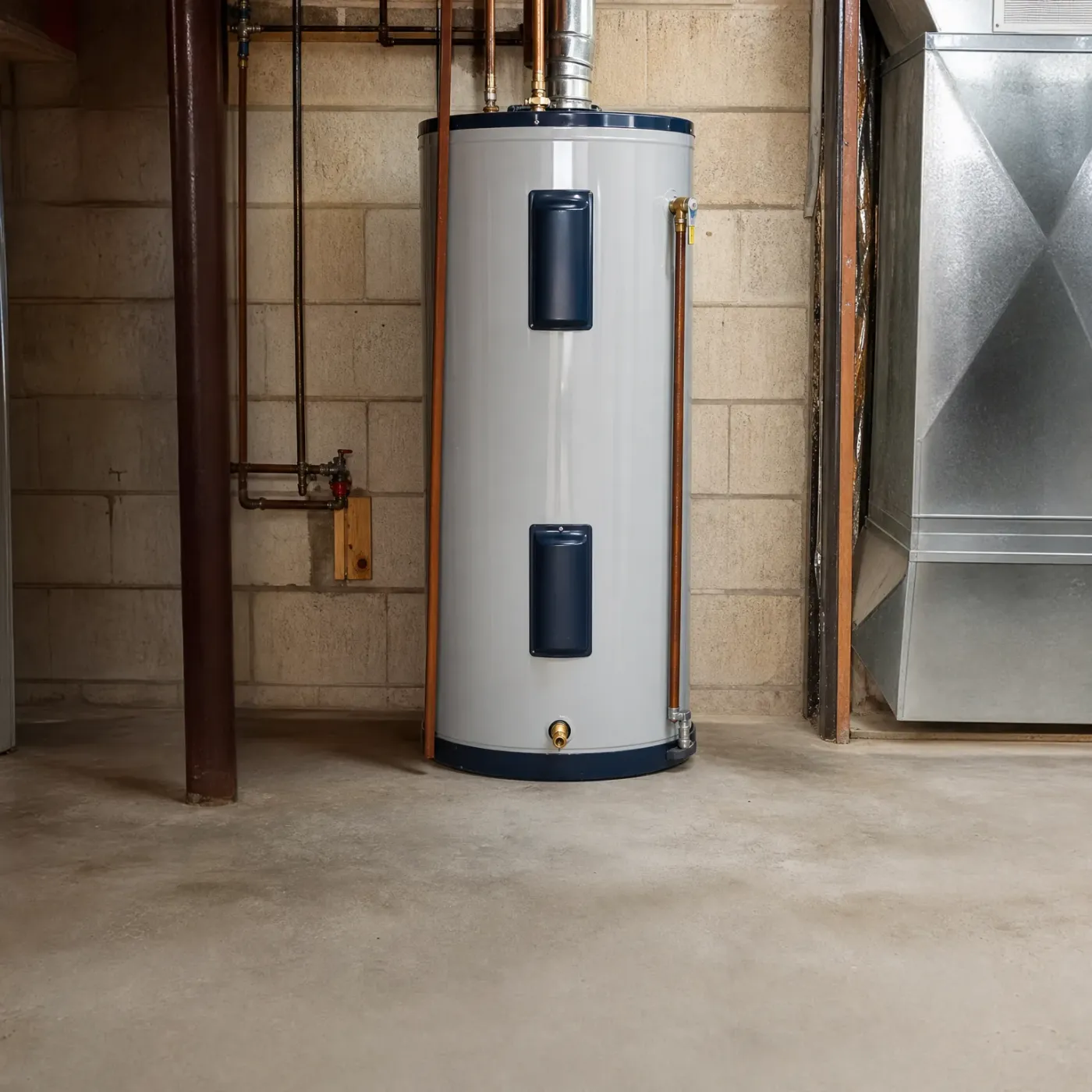
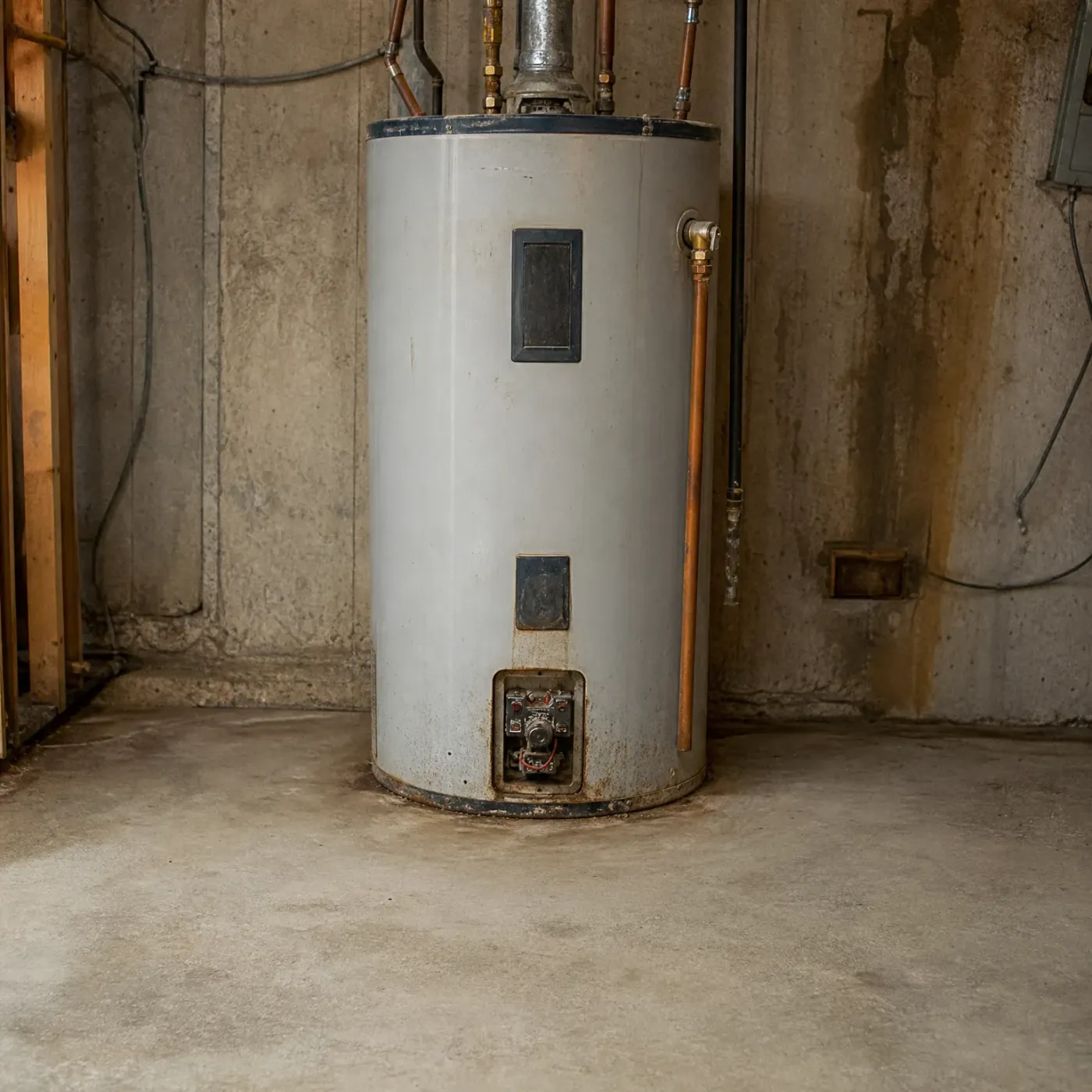
The popping is harmless on its own, but what's causing it isn't free. Sediment sits between the burner and the water, so the burner has to run longer to push heat through that layer before the water itself warms up. Gas is cheap here, but you're still paying for heat that never reaches your shower. The tank doesn't know the difference. It just keeps firing until the sensor reads the right temperature, even if most of that heat is going into baking a crust of minerals instead of warming water. Idaho's hard water makes this build faster than it would somewhere with softer supply, and an inch of sediment isn't unusual by the time the popping gets loud. Over time, the steam pockets forming under that layer put stress on the glass lining that protects the tank's steel from the inside. That lining doesn't repair itself, and a flush later on won't undo damage that's already happened. Catching it now is simpler than dealing with what comes after.
What the Noise Is Costing You
- Sediment acts as insulation, so the burner has to stay on longer to get the water above it up to temperature.
- That extra burner time is wasted heat, since it's cooking a layer of minerals instead of your water.
- A full tank of sediment can run an inch or more thick on the bottom before the popping gets loud enough to notice.
- The steam pockets also make the tank itself work harder, since the metal is absorbing heat the water should be absorbing.
- Left long enough, the trapped steam and shifting sediment can stress the glass lining inside the tank.
- A flush doesn't rebuild that lining once it's been damaged, so the popping is worth addressing before that happens.
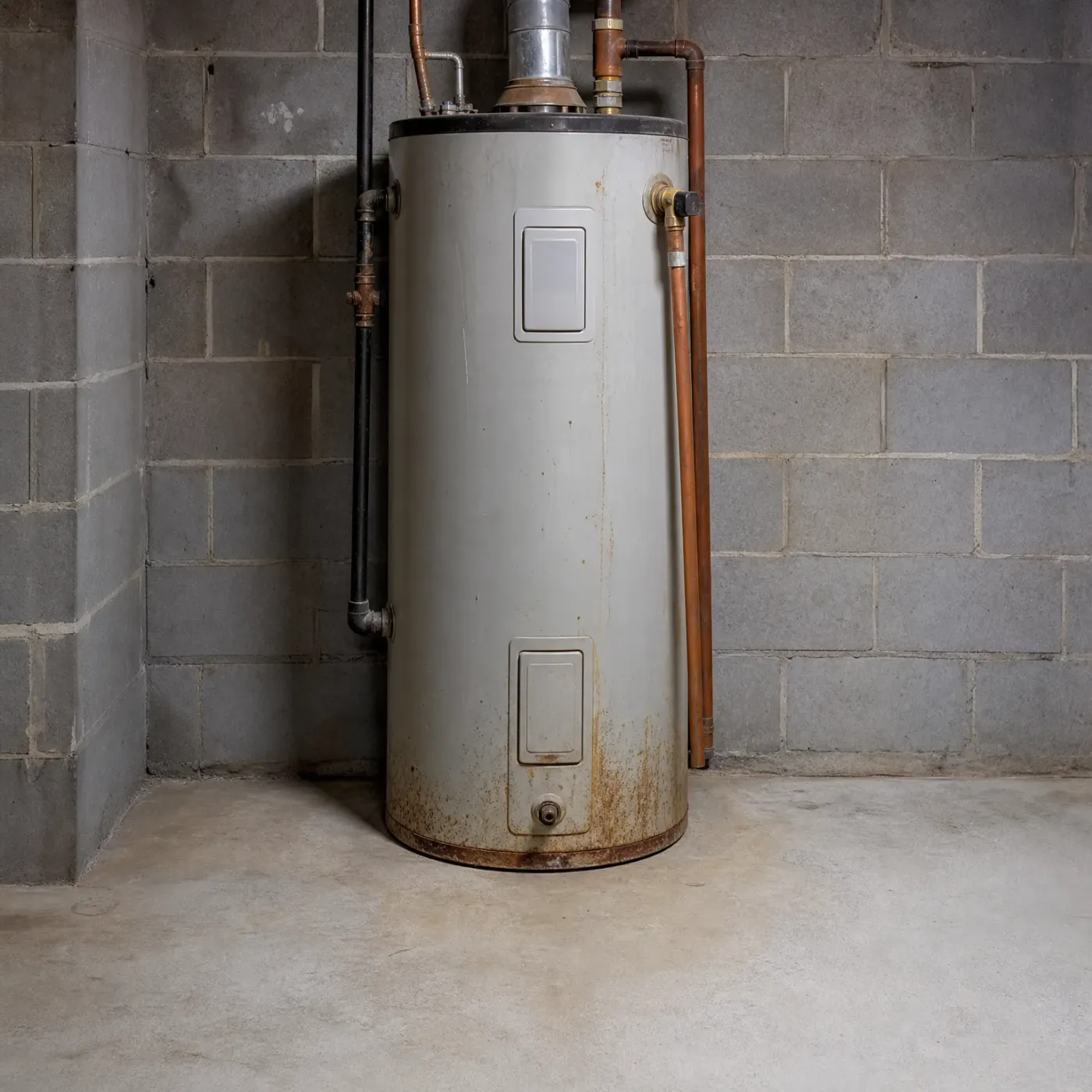
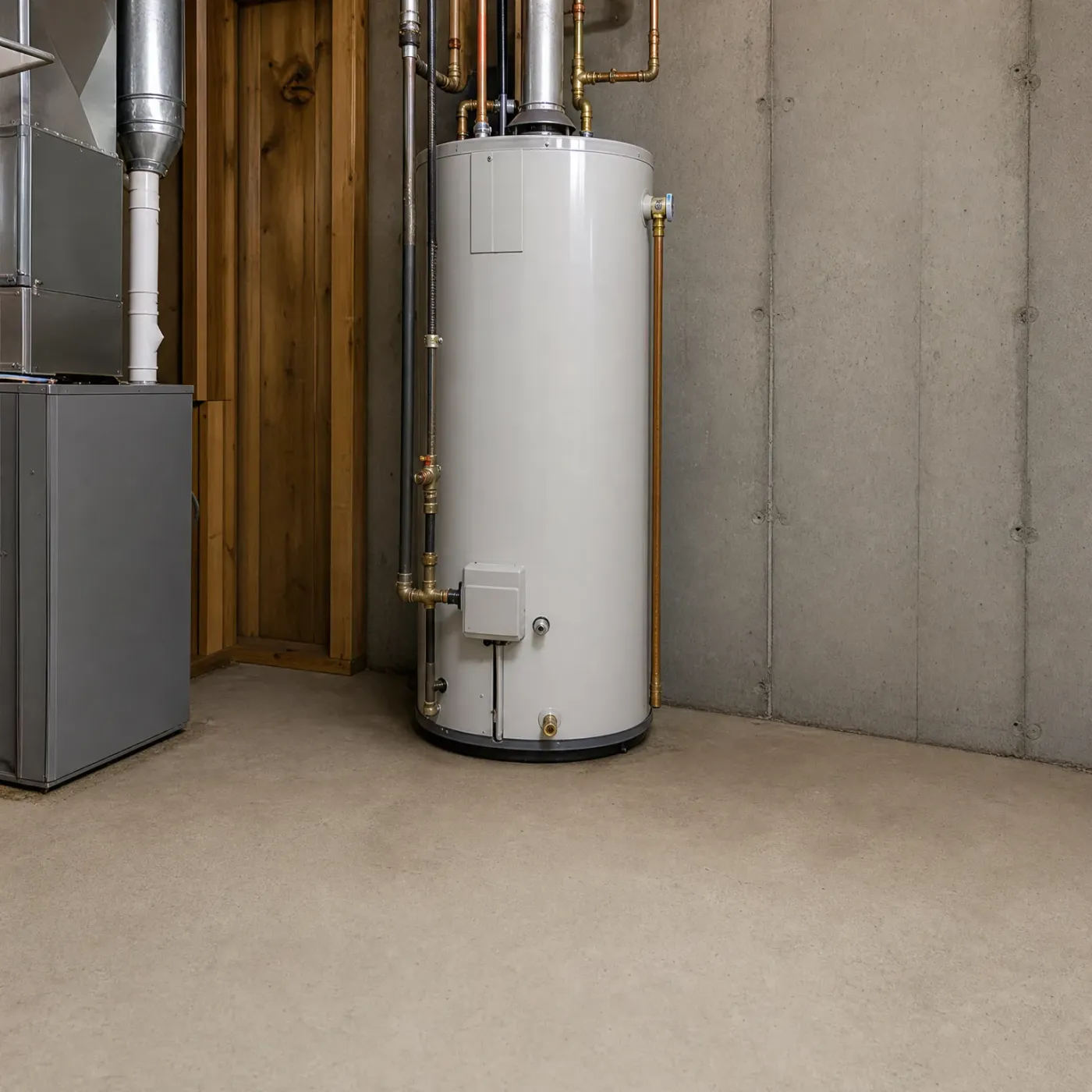
You keep waiting, and the sediment layer keeps getting thicker, which means the burner runs longer each time to push heat through it and your bill reflects that even though your thermostat setting hasn't changed.
You get it flushed and repaired, and the burner heats the water again instead of the mineral layer sitting on top of it. The popping stops because the steam pockets that caused it have nowhere left to form.
51.6% of homes statewide heat with gas
More than half the homes in Idaho heat water with gas, and that burner is exactly what the sediment in your tank is sitting on top of. The popping you're hearing is that burner working through a layer most homes here have to deal with sooner or later.
ACS 2020-2024 5-year B25040
The popping comes from sediment sitting between your burner and your water, and that layer only grows until someone flushes it out or replaces what it's worn down. Nothing about Idaho's water changes that. You can let the noise continue and pay for the extra burner time it costs, or you can get the tank looked at and know whether a flush fixes it or something further along has already failed. Either way, the sound was never the real question. What matters is what's built up on the bottom of that tank and what it's done to the burner and the steel around it. A licensed contractor can tell you that in one visit, and once the form on this page is sent, finding that contractor is no longer something you have to do yourself. No more searching, no more calling around to ask who's available, no more explaining the popping sound from scratch to a third or fourth company. That part ends. What's left is a straightforward look at your tank and a clear answer about what it needs.


Water Heater Repair
It's off your list after this
Answer a few questions instead of calling shop after shop.
