Tell us about the job
Takes about a minute. No obligation.
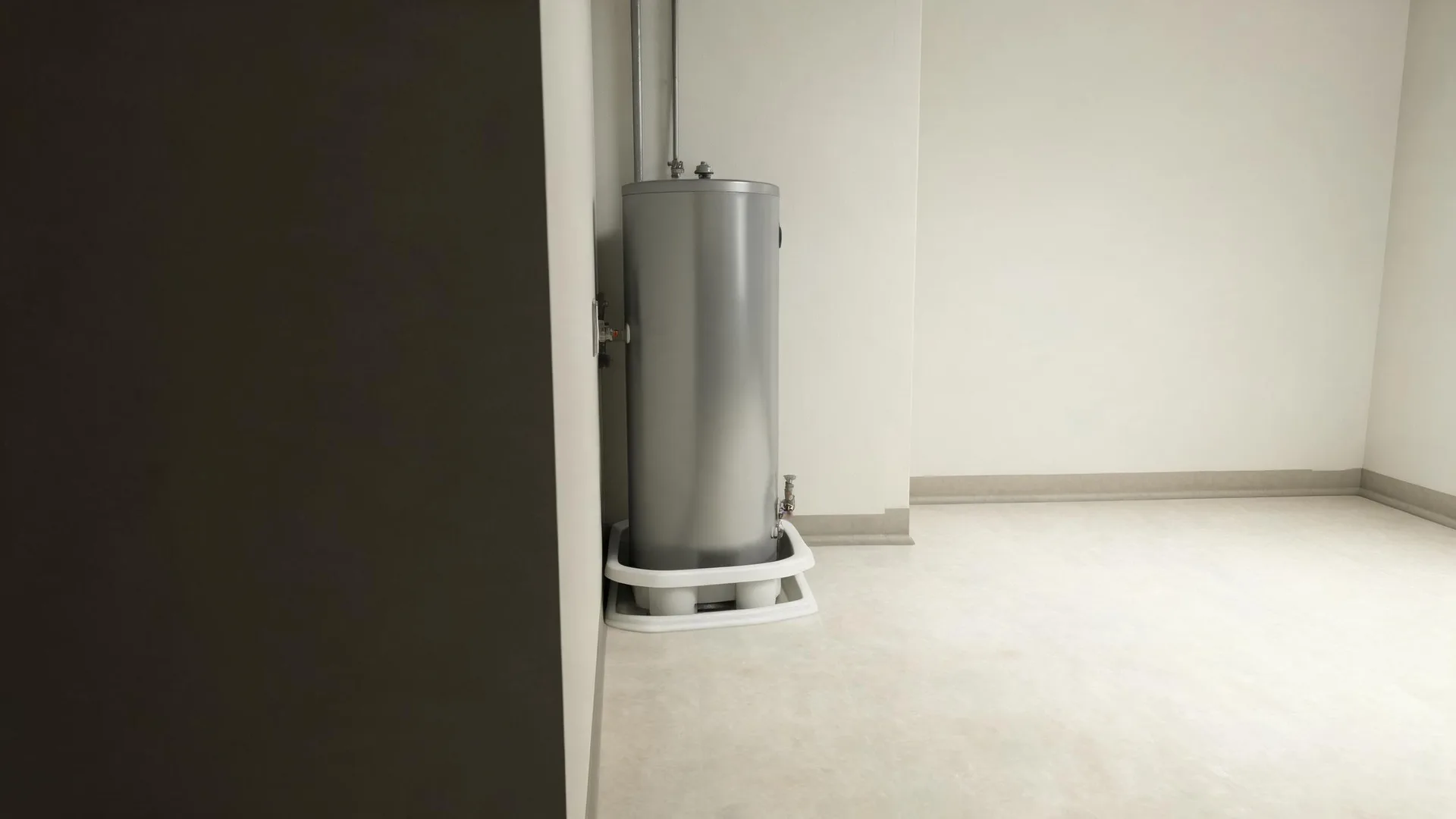
Owyhee County runs on electric heat. Electricity heats more occupied homes in Owyhee County, Idaho than any other fuel, at 66.8% (2020-2024 ACS 5-year). For a water heater contractor working here, that figure settles a question before the quote is even written: the replacement will almost certainly be electric, which means the service panel, the circuit, and the breaker all get checked against what the new unit draws. A gas water heater vents combustion gases and needs combustion air; an electric one does neither, but it pulls enough current that an undersized circuit turns a straightforward install into an electrical job first.
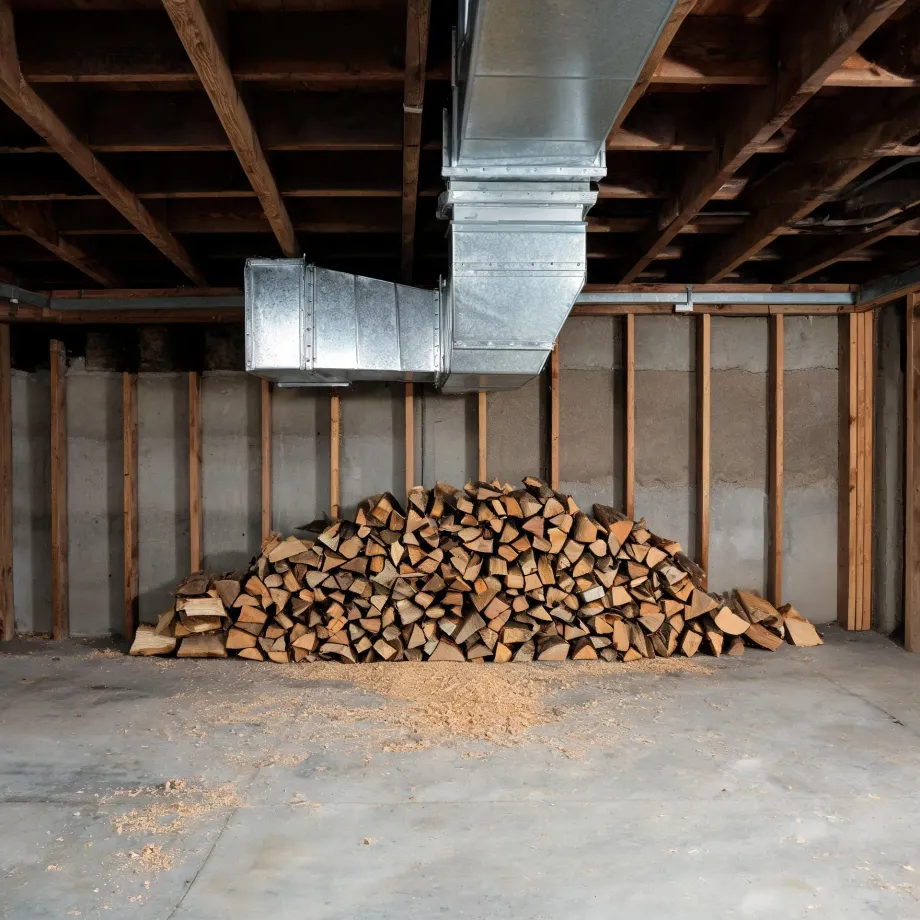
Electrical service is what decides how a water heater installation goes in Owyhee County housing. Half the homes in Owyhee County, Idaho were built in 1984 or earlier (2020-2024 ACS 5-year). A house wired for the equipment of that era carries a service panel sized for a smaller draw than a modern unit requires, and a contractor pulling the panel cover will find out quickly whether the existing service supports the new heater or needs to be brought up first. That finding changes the scope and the price of the job before the water heater itself is even touched.
What a Water Heater Installation Covers
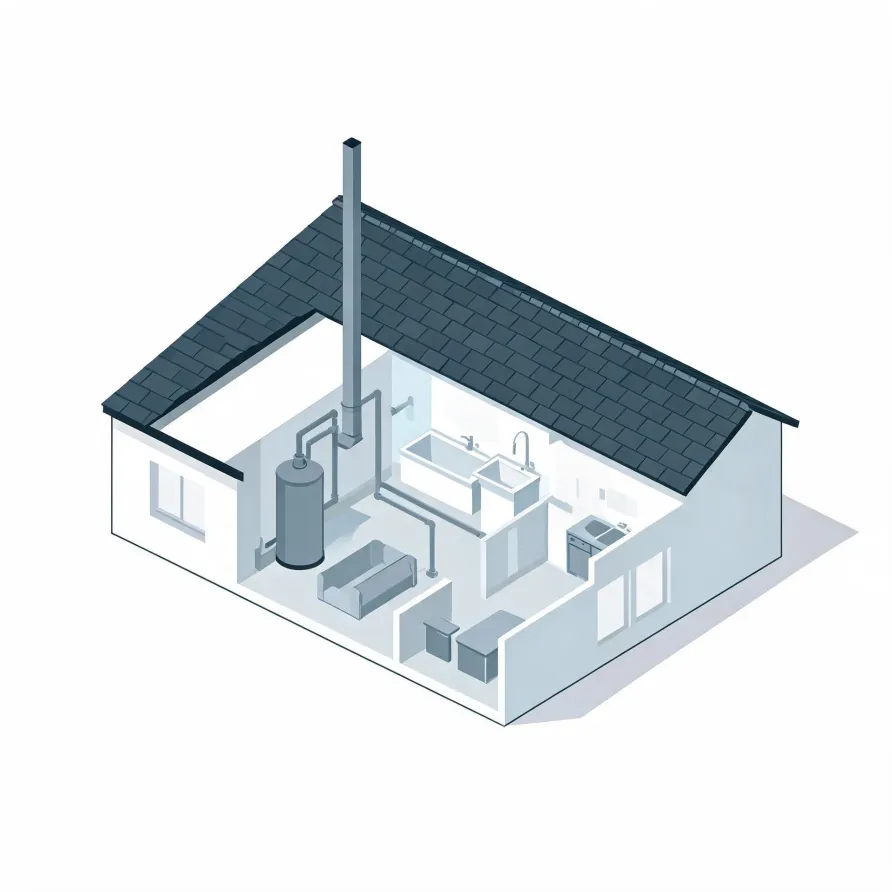
The tank or tankless unit is the centerpiece of the system, mounted in a utility room, basement, or garage, and it is what a contractor sizes and sets in place first. Connected to it are the cold-water inlet and hot-water outlet lines, which carry water in from the supply and out to every fixture in the house.
A pressure relief valve mounts directly on the unit and opens if pressure inside climbs too high. The flue or venting pipe exits through a wall or the roof, carrying combustion gases outside for gas-fired units, while electric models connect to a dedicated circuit at the panel.
The drawing shows a typical layout, and a licensed contractor determines which configuration and components apply to your specific home.
Find a contractor in Owyhee CountyOwyhee County, by the numbers
108 severe weather events were recorded in Owyhee County, Idaho between 2015 and 2024.
NOAA National Centers for Environmental Information, Storm Events Database, bulk CSV export, events 2015-01-01 through 2024-12-31.Half the homes in Owyhee County, Idaho were built in 1984 or earlier (2020-2024 ACS 5-year).
U.S. Census Bureau, 2020-2024 American Community Survey 5-Year EstimatesOwyhee County, Idaho holds 4,869 housing units (2020-2024 ACS 5-year).
U.S. Census Bureau, 2020-2024 American Community Survey 5-Year EstimatesOwners occupy 72.6% of the occupied homes in Owyhee County, Idaho (2020-2024 ACS 5-year).
U.S. Census Bureau, 2020-2024 American Community Survey 5-Year EstimatesWeather Stress on Water Heaters in Owyhee County
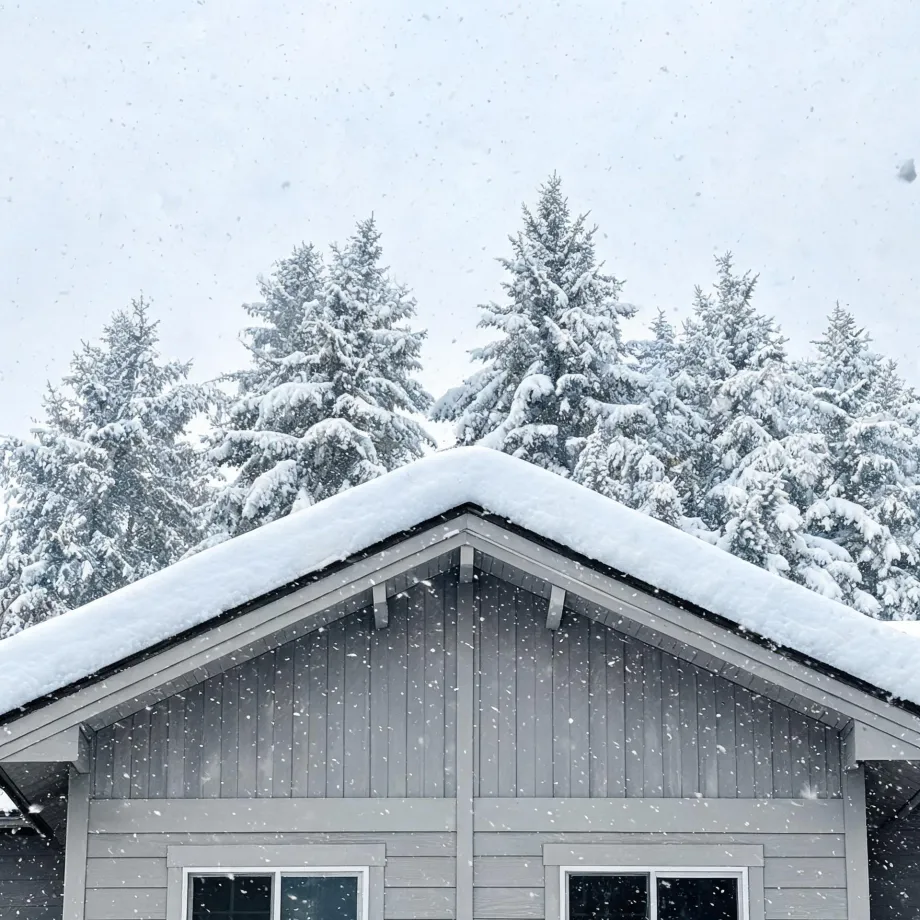
Extreme weather events put direct demand on water heating equipment, forcing it to work harder and recover faster than it was sized for under calm conditions. How much of that load a unit carries over its life is a local question, and the answer in Owyhee County shapes what a contractor installs here.
108 severe weather events, 2015–2024. Source: NOAA National Centers for Environmental Information, Storm Events Database.