Tell us about the job
Takes about a minute. No obligation.
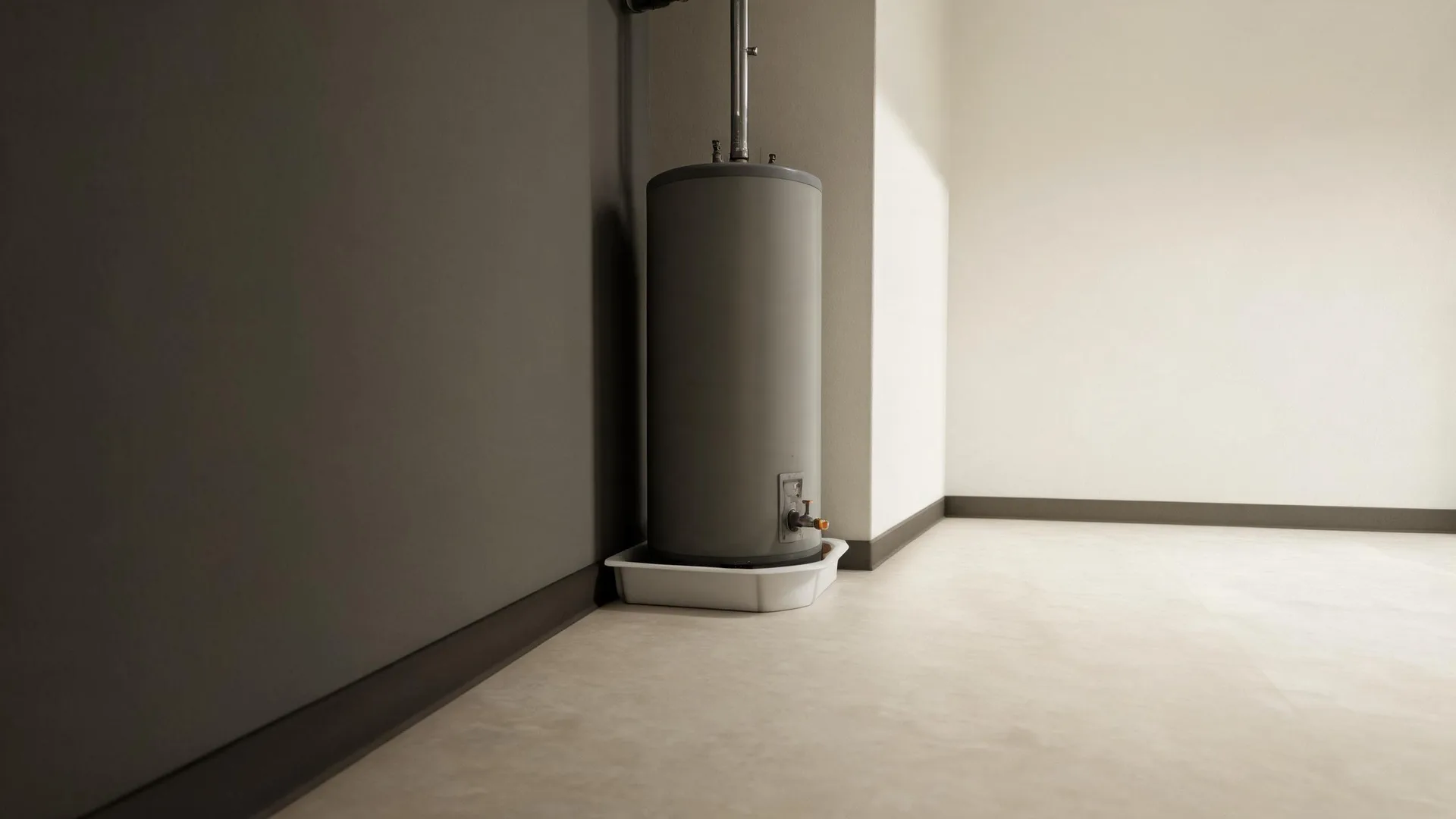
Gas-fired water heaters run on the fuel the county already knows. Utility gas heats more occupied homes in Canyon County, Idaho than any other fuel, at 59.4% (2020-2024 ACS 5-year). That share means most homes here have existing flue paths, gas connections, and combustion air arrangements built around that fuel, and a contractor replacing a unit works inside those constraints rather than starting fresh. Undersizing the gas supply line or matching the wrong venting configuration to a higher-efficiency unit produces problems that show up quickly. Getting the install right requires reading the house before writing the quote.
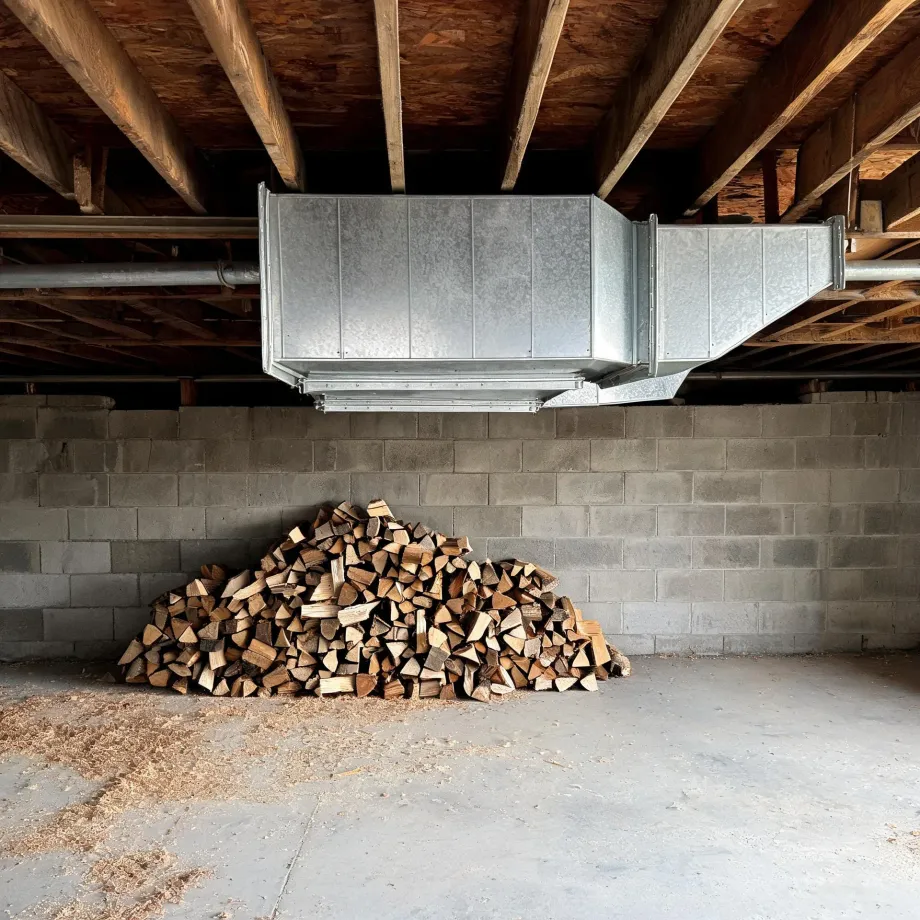
Ductwork sized and routed for a previous generation of equipment shapes what a water heater installation actually involves here. Half the homes in Canyon County, Idaho were built in 1999 or earlier (2020-2024 ACS 5-year). A contractor arriving at a Canyon County house is often looking at infrastructure that was built around something it no longer serves, which means the path a new unit needs and the path that exists are not always the same. What the existing ductwork will and will not carry is the variable that sets the scope of the job.
What a Water Heater Installation Covers
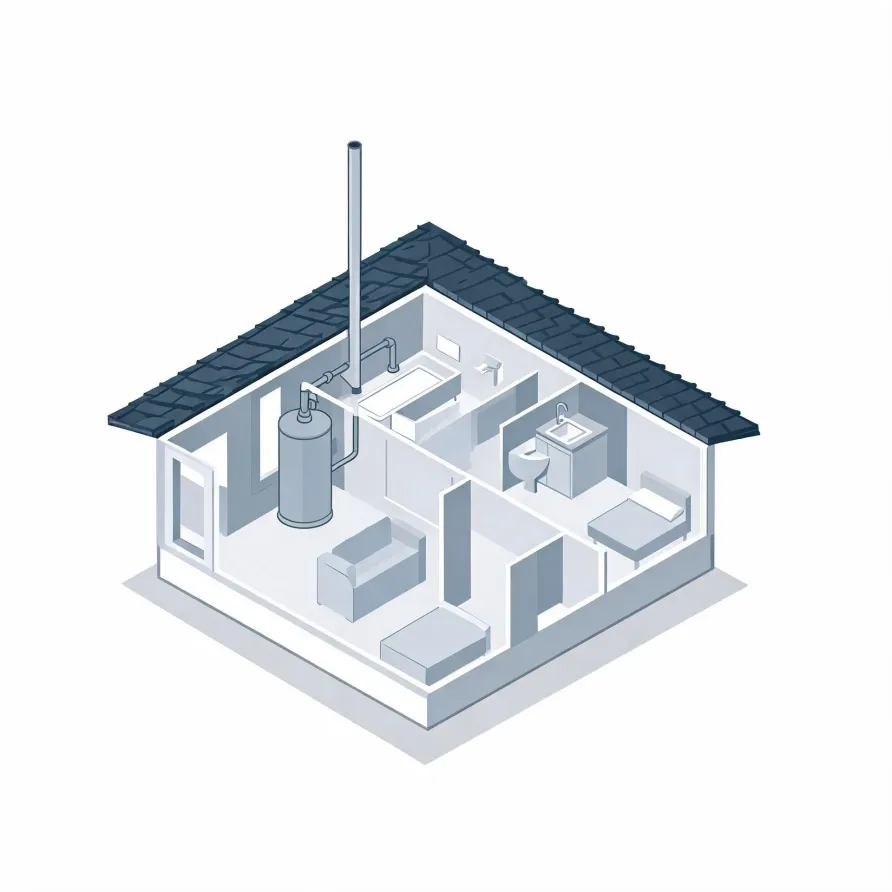
The tank or tankless unit is the centerpiece of the system, sitting in a utility room, basement, or closet, and its job is to heat cold supply water and hold it ready for the rest of the house. A pressure relief valve mounts directly on the unit and releases if pressure inside climbs too high.
The cold-water inlet line feeds the unit from the main supply, while the hot-water outlet line carries heated water out to every fixture that draws from it. A drain valve sits near the base of the unit, and an anode rod runs inside a tank-style heater to slow corrosion of the tank walls.
The drawing shows a typical layout, and a licensed contractor determines what applies to your specific home.
Find a contractor in Canyon CountyCanyon County, Idaho, by the numbers
54 severe weather events were recorded in Canyon County, Idaho between 2015 and 2024.
NOAA National Centers for Environmental Information, Storm Events Database, bulk CSV export, events 2015-01-01 through 2024-12-31.Half the homes in Canyon County, Idaho were built in 1999 or earlier (2020-2024 ACS 5-year).
U.S. Census Bureau, 2020-2024 American Community Survey 5-Year EstimatesCanyon County, Idaho holds 89,135 housing units (2020-2024 ACS 5-year).
U.S. Census Bureau, 2020-2024 American Community Survey 5-Year EstimatesOwners occupy 75.5% of the occupied homes in Canyon County, Idaho (2020-2024 ACS 5-year).
U.S. Census Bureau, 2020-2024 American Community Survey 5-Year EstimatesWeather Stress on Water Heaters in Canyon County
Demand on a water heater tracks closely with outdoor conditions. Knowing what the weather has done in Canyon County over time gives a contractor a clearer picture of what the equipment here is asked to handle.
54 severe weather events, 2015–2024. Source: NOAA National Centers for Environmental Information, Storm Events Database.