Tell us about the job
Takes about a minute. No obligation.
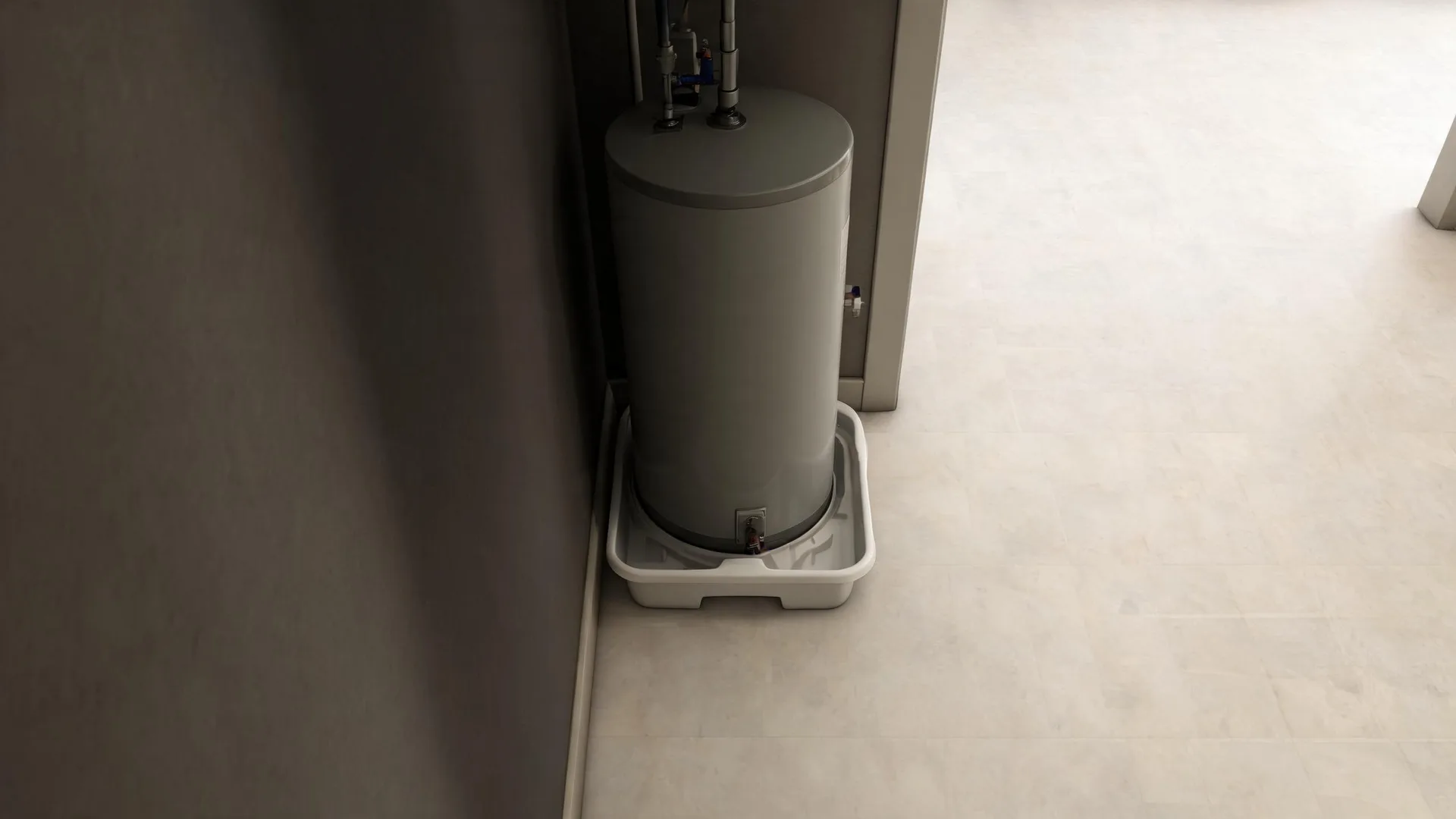
A contractor quoting a water heater installation in Minidoka County has to look at the service panel before anything else. Electricity heats more occupied homes in Minidoka County, Idaho than any other fuel, at 73.2% (2020-2024 ACS 5-year). With electricity doing the heating work for the vast majority of homes here, the panel is already carrying a substantial load, and a new electric water heater draws hard on that same supply. An undersized circuit or a panel close to capacity changes what a contractor can install and may require an upgrade before the water heater goes in. The equipment choice follows from what the electrical system can actually support.
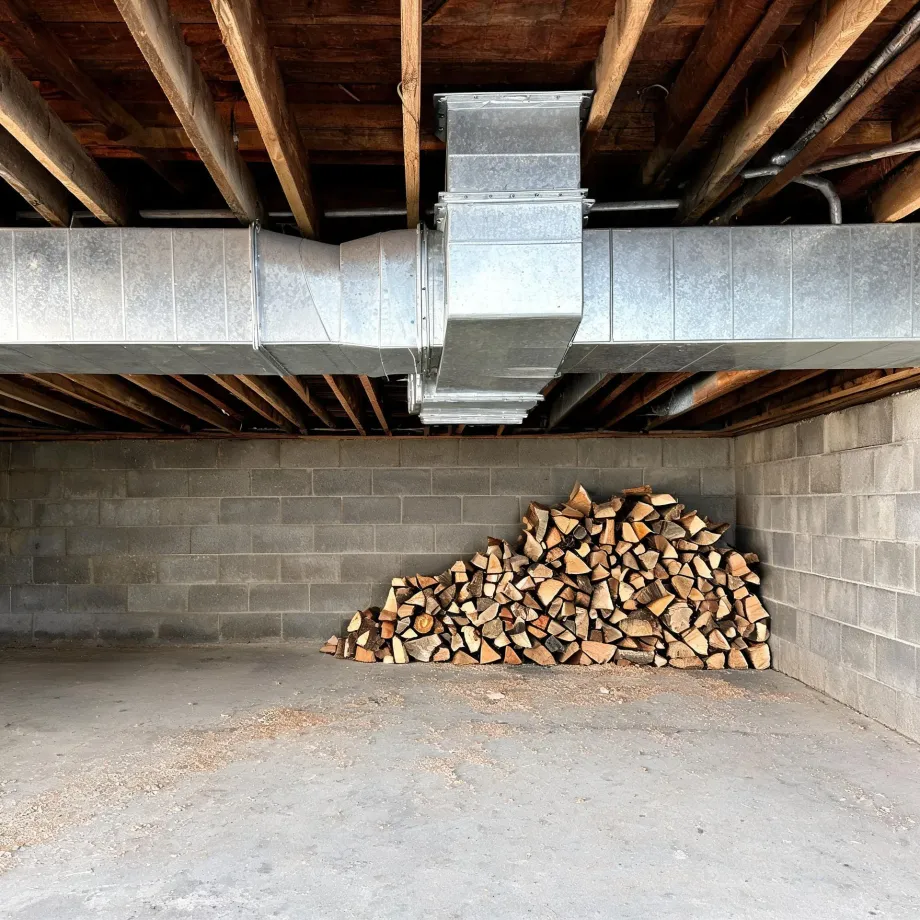
Older electrical service panels often carry less capacity than a new water heater requires, and in a county where so much of the housing was built for equipment from a different era, that constraint shows up on job after job. Half the homes in Minidoka County, Idaho were built in 1976 or earlier (2020-2024 ACS 5-year). A contractor installing a new water heater here will check whether the existing panel has the headroom to support it. If it does not, the panel work comes first, and that changes both the scope and the timeline of the job before any unit is ordered.
What a Water Heater Installation Puts in Your Home
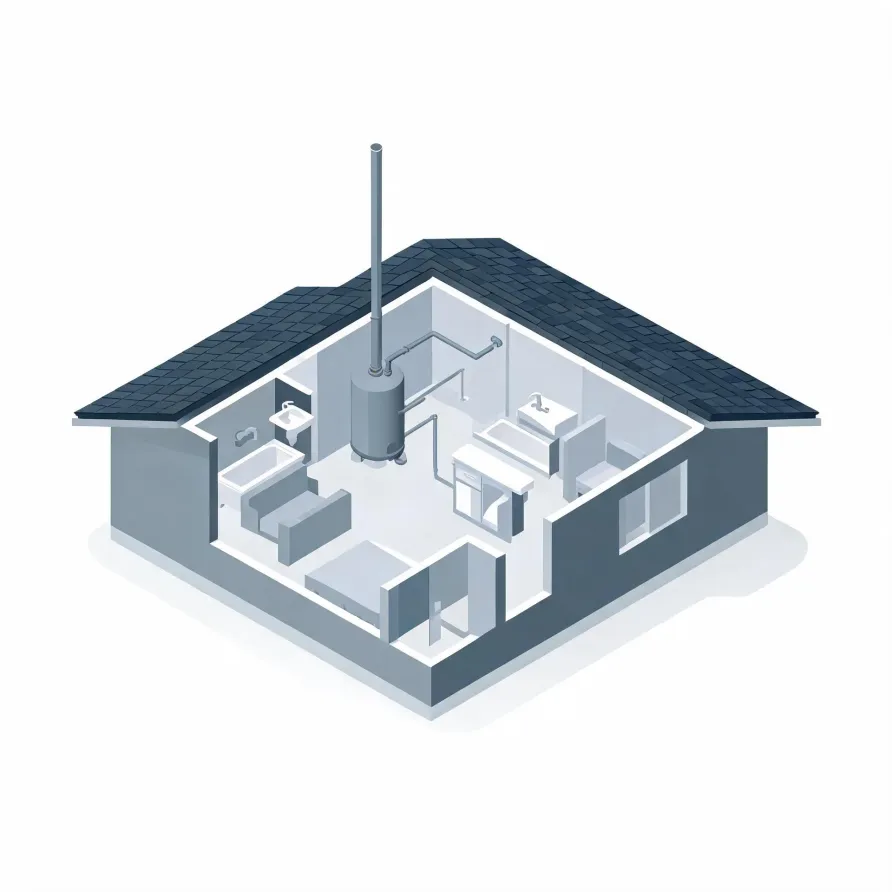
The tank is the piece most homeowners recognize. It sits in a utility room, basement, or garage and holds a supply of water that a contractor brings up to temperature and keeps ready at the tap. The inlet and outlet connections at the top of the tank are where cold water enters and hot water leaves.
The pressure relief valve mounts to the side of the tank and opens automatically if pressure inside climbs too high. The drain valve sits near the base. A dedicated supply line runs to the tank, and in gas-fired models a flue pipe exits through the top and vents combustion gases out of the house.
The drawing shows a typical layout, and a licensed contractor determines exactly what applies to this house.
Find a contractor in Minidoka CountyMinidoka County by the Numbers
77 severe weather events were recorded in Minidoka County, Idaho between 2015 and 2024.
NOAA National Centers for Environmental Information, Storm Events Database, bulk CSV export, events 2015-01-01 through 2024-12-31.Half the homes in Minidoka County, Idaho were built in 1976 or earlier (2020-2024 ACS 5-year).
U.S. Census Bureau, 2020-2024 American Community Survey 5-Year EstimatesMinidoka County, Idaho holds 8,644 housing units (2020-2024 ACS 5-year).
U.S. Census Bureau, 2020-2024 American Community Survey 5-Year EstimatesOwners occupy 69.2% of the occupied homes in Minidoka County, Idaho (2020-2024 ACS 5-year).
U.S. Census Bureau, 2020-2024 American Community Survey 5-Year EstimatesSevere Weather Events in Minidoka County
Weather in Minidoka County puts real demands on water heating equipment: temperature swings, storm stress, and hard-use periods all shorten the gap between installs and failures. Knowing the local pattern helps a contractor size and spec a water heater that holds up to what this area actually delivers.
77 severe weather events, 2015–2024. Source: NOAA National Centers for Environmental Information, Storm Events Database.