Tell us about the job
Takes about a minute. No obligation.
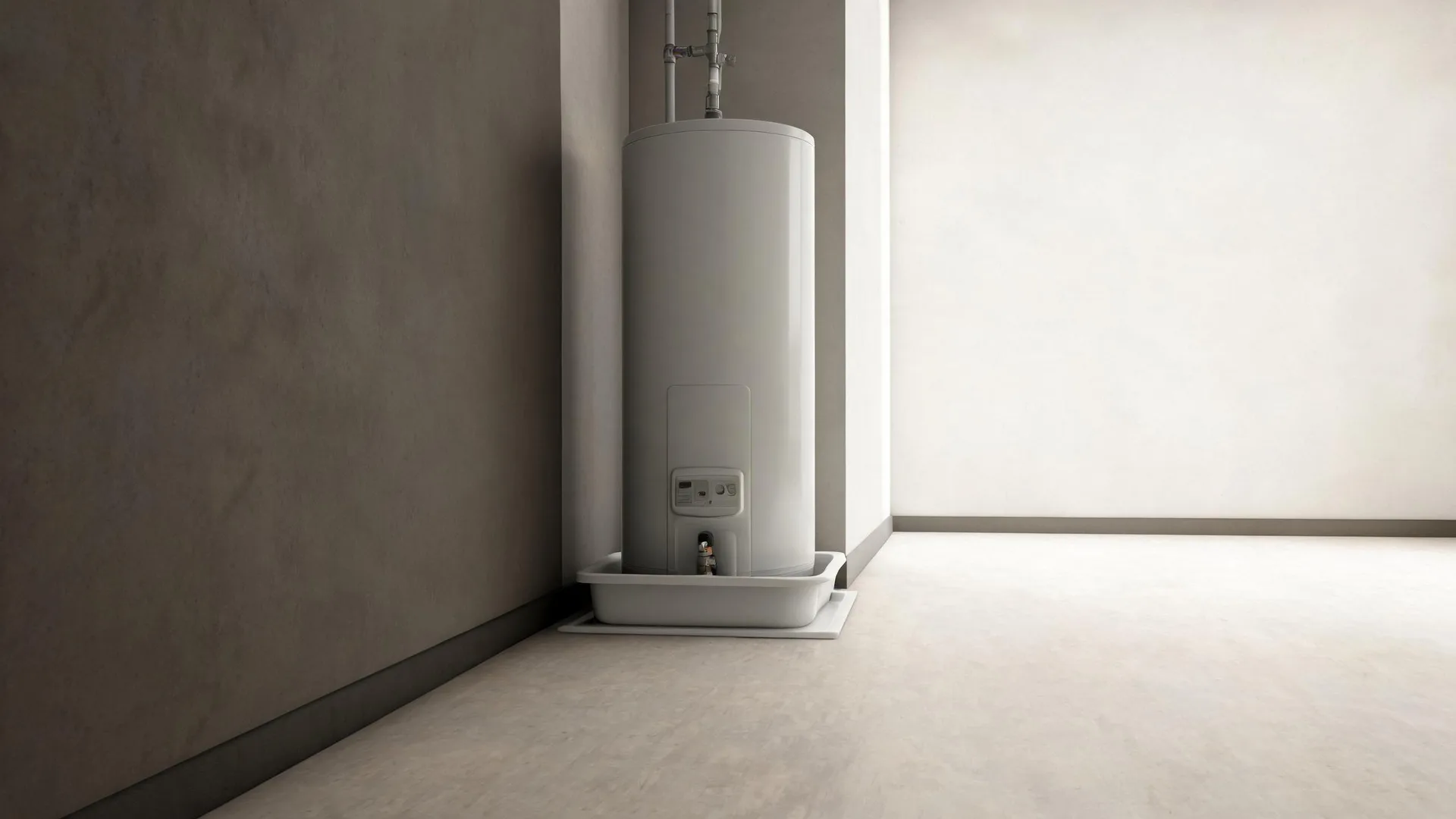
Electric water heaters do not get an off-season. Electricity heats more occupied homes in Jerome County, Idaho than any other fuel, at 48.5% (2020-2024 ACS 5-year). When a contractor opens a call on a water heater here, the elements and thermostats are the first components on the table, because they have been cycling without rest since the unit was installed. Sediment buildup accelerates in a tank that runs constantly, insulating the lower element and forcing it to work harder than it was designed to. A failed element in Jerome County is rarely a surprise.
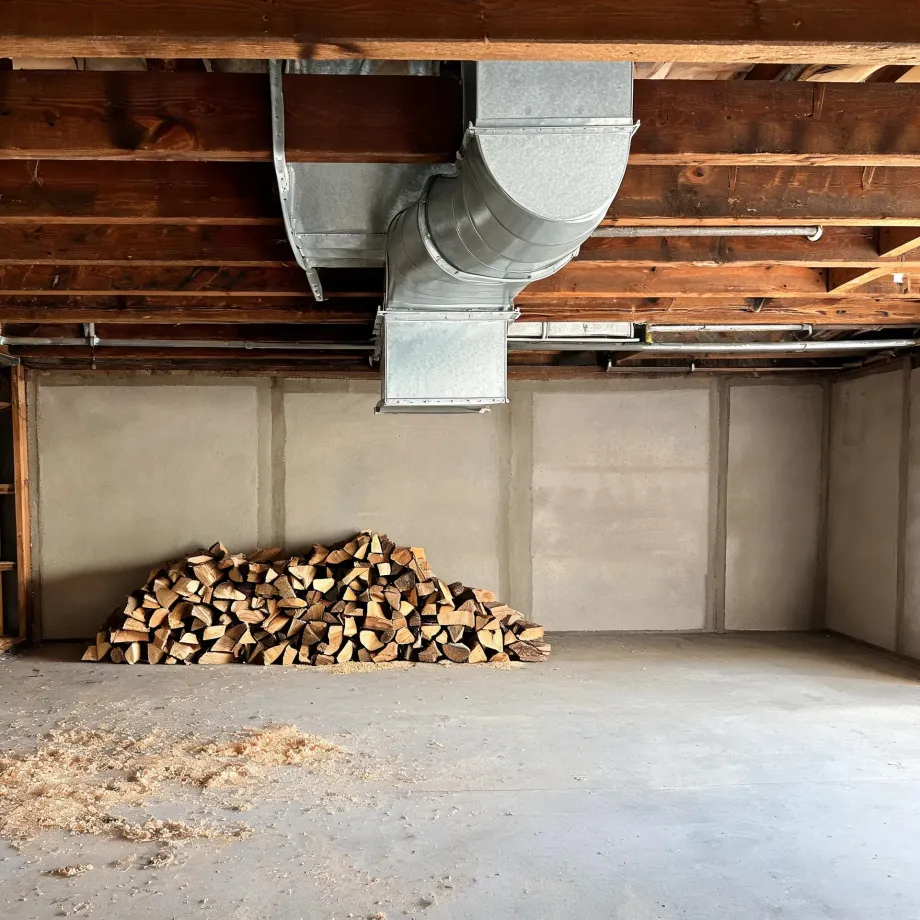
Water heaters in homes this age have run long enough that what a contractor finds when they open the unit tends to be sediment packed at the base, a spent anode rod, or both. Half the homes in Jerome County, Idaho were built in 1983 or earlier (2020-2024 ACS 5-year). That history inside the tank is what sets the repair scope, and whether the unit can be brought back or needs a full replacement is a question the contractor answers from what is physically in front of them, not from the age on the permit.
The Parts of a Water Heater a Contractor Checks First
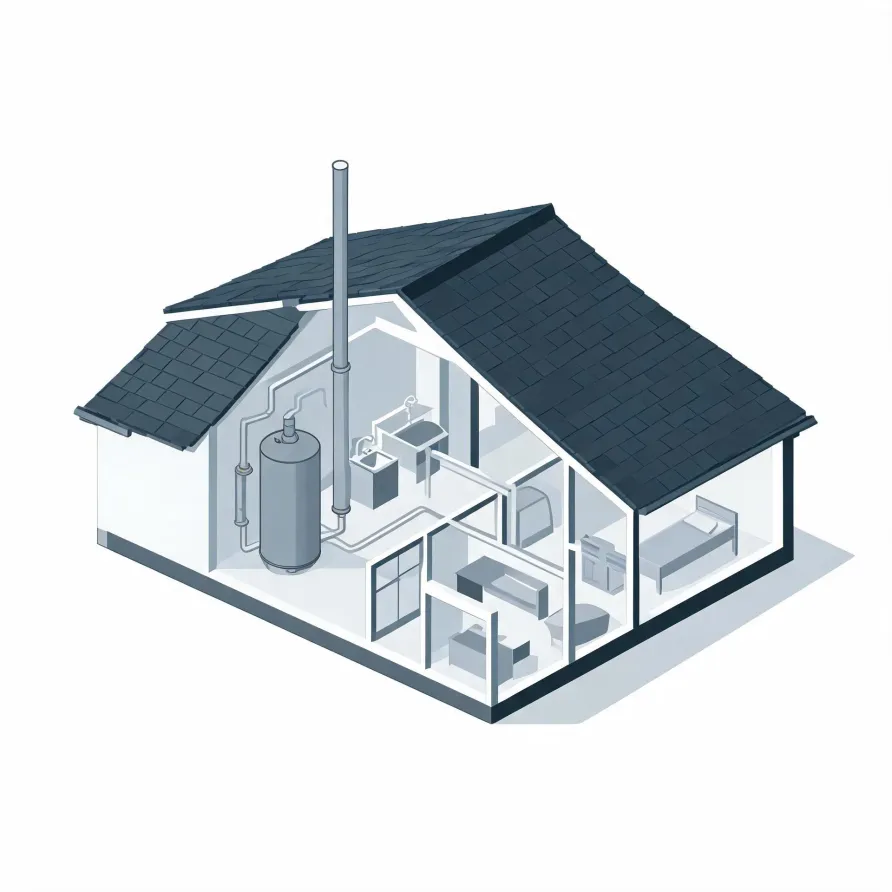
The tank is the center of the system, sitting in a utility room, basement, or garage, and its job is to hold and heat a standing supply of water. The burner assembly or heating element sits at the base or inside the tank and is the first place a contractor looks when water stops getting hot or heats too slowly.
The pressure relief valve mounts on the side of the tank and releases if pressure inside climbs too high. The anode rod runs down through the tank's interior and slows corrosion from the inside out. Supply and discharge pipes connect at the top, and the thermostat sits against the tank wall, controlling the target temperature.
The drawing shows a general layout of these components, and a licensed contractor determines which of them applies to the specific unit and installation in your home.
Find a contractor in Jerome CountyJerome County, by the numbers
33 severe weather events were recorded in Jerome County, Idaho between 2015 and 2024.
NOAA National Centers for Environmental Information, Storm Events Database, bulk CSV export, events 2015-01-01 through 2024-12-31.Half the homes in Jerome County, Idaho were built in 1983 or earlier (2020-2024 ACS 5-year).
U.S. Census Bureau, 2020-2024 American Community Survey 5-Year EstimatesJerome County, Idaho holds 8,810 housing units (2020-2024 ACS 5-year).
U.S. Census Bureau, 2020-2024 American Community Survey 5-Year EstimatesOwners occupy 75.2% of the occupied homes in Jerome County, Idaho (2020-2024 ACS 5-year).
U.S. Census Bureau, 2020-2024 American Community Survey 5-Year EstimatesSevere Weather Events in Jerome County
Extreme weather puts water heaters under pressure: hard freezes stress tanks and fittings, power surges from storms knock out ignition systems, and flooding reaches equipment that was never meant to sit in water. How often those conditions arrive in Jerome County shapes how hard local water heaters work and how quickly they wear.
33 severe weather events, 2015–2024. Source: NOAA National Centers for Environmental Information, Storm Events Database.