Tell us about the job
Takes about a minute. No obligation.
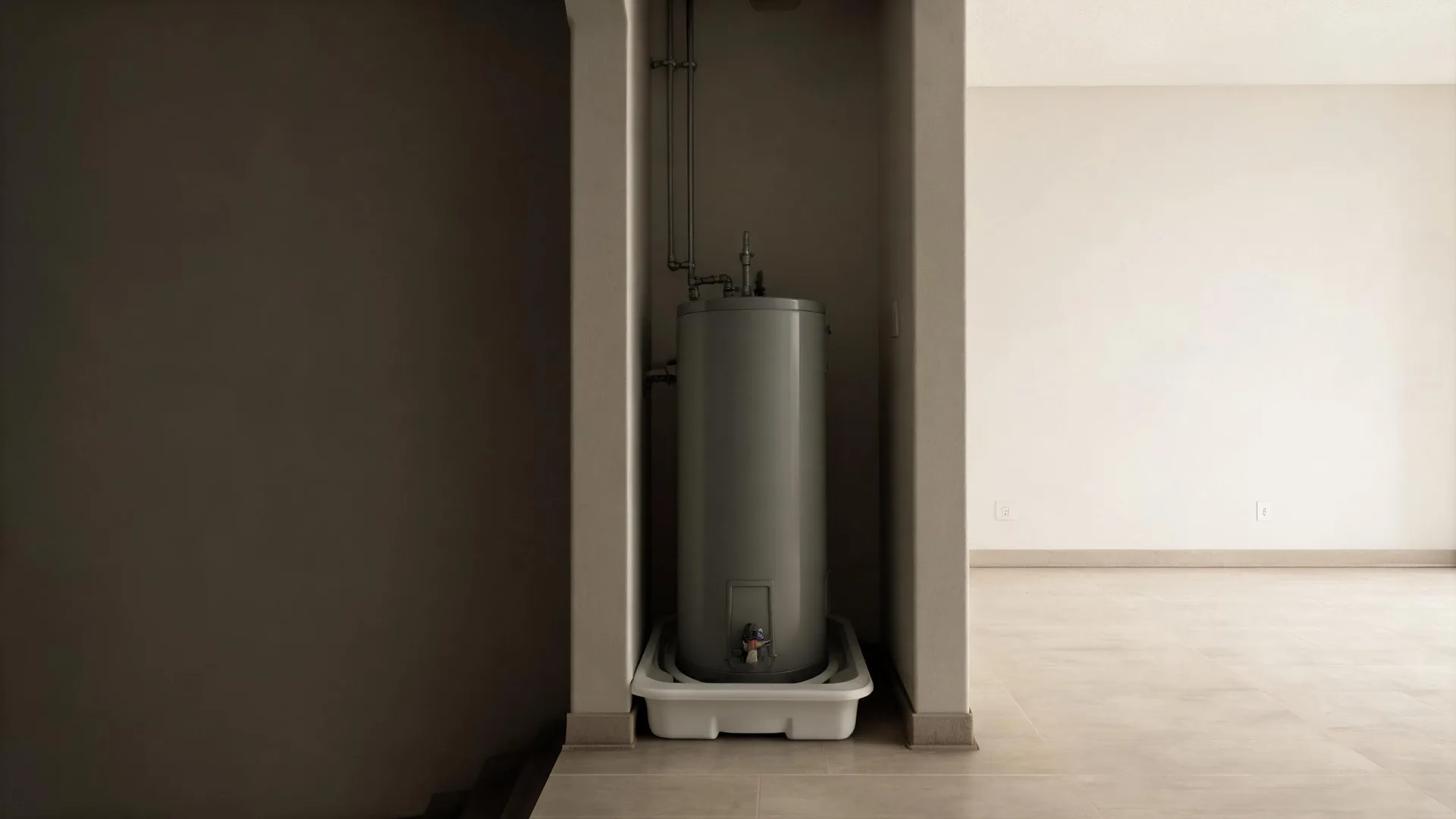
A gas water heater runs every day, year-round, which puts it in a different category from heating or cooling equipment that idles for half the calendar. Utility gas heats more occupied homes in Twin Falls County, Idaho than any other fuel, at 53.7% (2020-2024 ACS 5-year). That share of homes means a contractor working a repair in this county almost always opens a gas appliance, and the failure points are predictable: the thermocouple degrades from continuous cycling, the burner orifice accumulates deposits, and the pilot or igniter assembly wears from daily use rather than seasonal surges. Venting condition matters too, since combustion air requirements and flue integrity are specific to gas. A contractor who skips the burner assembly on a water heater call here is skipping the component most likely to explain the complaint.
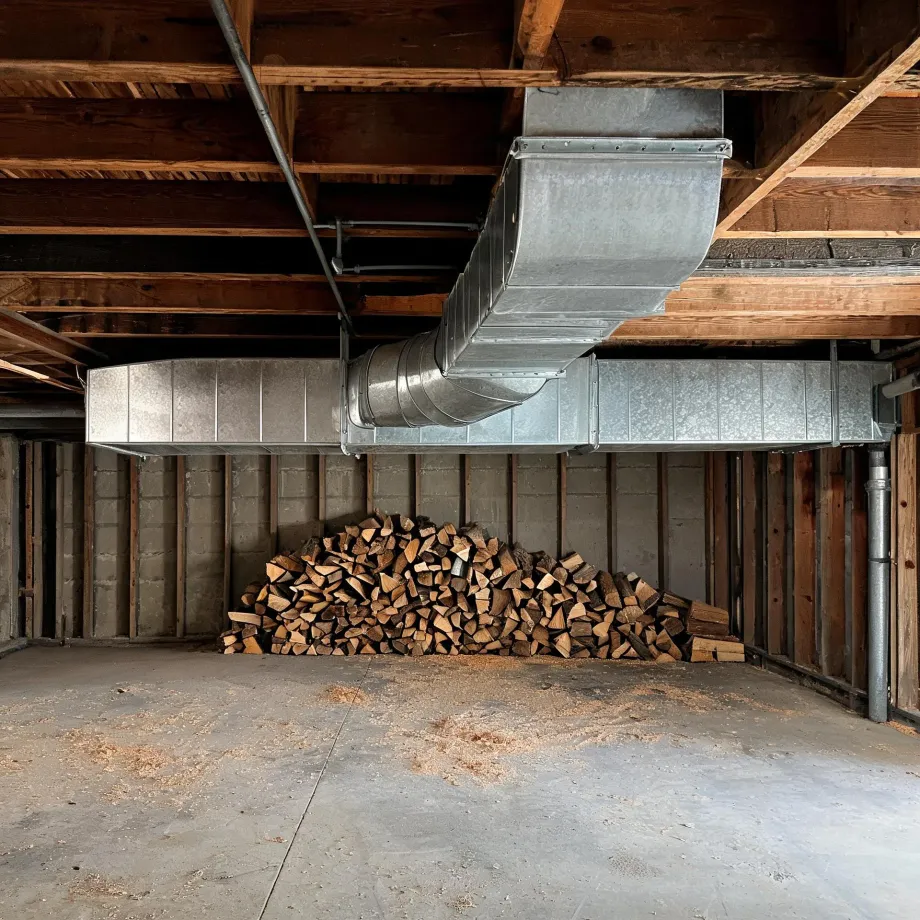
Plumbing in a house that old tends to carry the evidence of everything it has run through: sediment layered in the tank, corroded inlet and outlet connections, and pressure relief valves that have not moved in years. Half the homes in Twin Falls County, Idaho were built in 1982 or earlier (2020-2024 ACS 5-year). A contractor opening a water heater in stock like this finds that the tank itself is often the last thing that needs attention, while the supply lines and fittings around it have already begun to fail. The parts that go first are the ones nobody replaces until the repair forces the issue.
The Parts of a Water Heater a Contractor Checks First
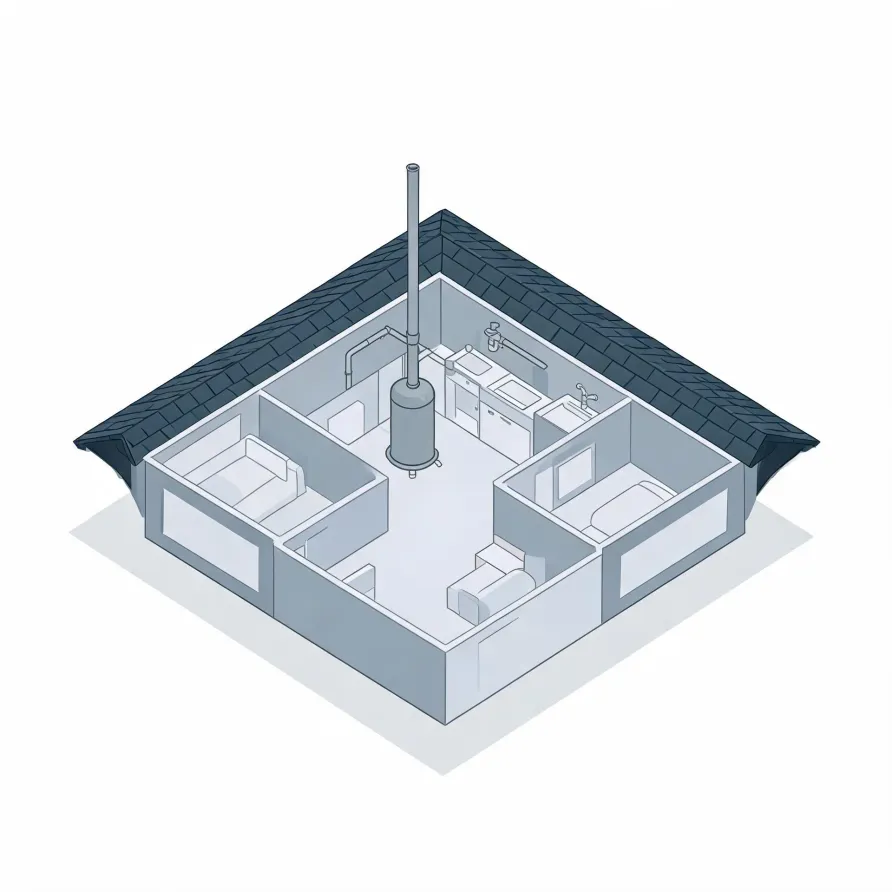
The tank is the center of the system, usually standing in a utility room, basement, or garage, and its job is to hold and heat a supply of water on demand. The burner assembly or heating element sits at the base or inside the tank and is often where a contractor looks when hot water stops arriving or arrives inconsistently. The thermostat, mounted on the tank's exterior, controls the target temperature and is another common source of failure.
The pressure relief valve sits on the side of the tank and opens automatically if pressure or temperature climbs past a safe point. A contractor checks it because a stuck or weeping valve is a sign the system is working harder than it should. Cold and hot water supply lines connect at the top of the tank, and the anode rod runs down through the interior to slow corrosion from the inside out.
The drawing shows a typical water heater layout, and a licensed contractor determines which parts apply and what condition they are in for this specific installation.
Find a contractor in Twin Falls CountyTwin Falls County, by the numbers
58 severe weather events were recorded in Twin Falls County, Idaho between 2015 and 2024.
NOAA National Centers for Environmental Information, Storm Events Database, bulk CSV export, events 2015-01-01 through 2024-12-31.Half the homes in Twin Falls County, Idaho were built in 1982 or earlier (2020-2024 ACS 5-year).
U.S. Census Bureau, 2020-2024 American Community Survey 5-Year EstimatesTwin Falls County, Idaho holds 36,429 housing units (2020-2024 ACS 5-year).
U.S. Census Bureau, 2020-2024 American Community Survey 5-Year EstimatesOwners occupy 70.5% of the occupied homes in Twin Falls County, Idaho (2020-2024 ACS 5-year).
U.S. Census Bureau, 2020-2024 American Community Survey 5-Year EstimatesSevere Weather Events in Twin Falls County
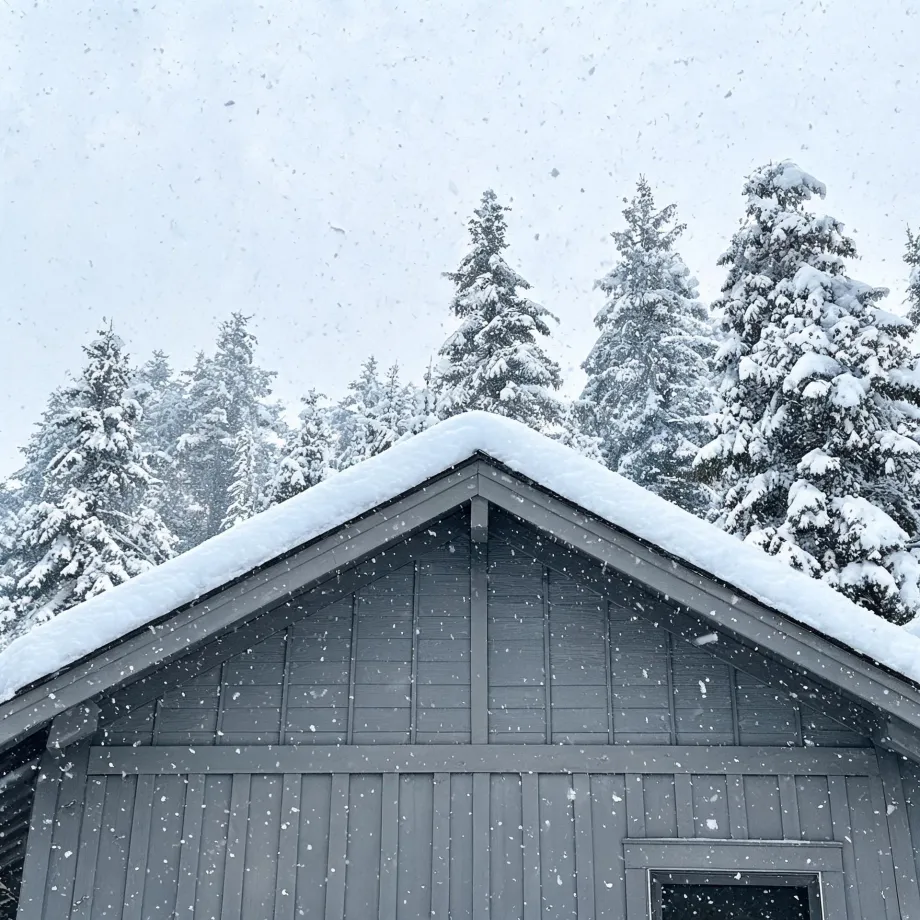
Extreme weather puts real strain on water heaters. Hard freezes, power surges, and pressure swings from storms all shorten equipment life and push repair needs up, which makes local weather history a practical part of understanding what water heaters in Twin Falls County face.
58 severe weather events, 2015–2024. Source: NOAA National Centers for Environmental Information, Storm Events Database.