Tell us about the job
Takes about a minute. No obligation.
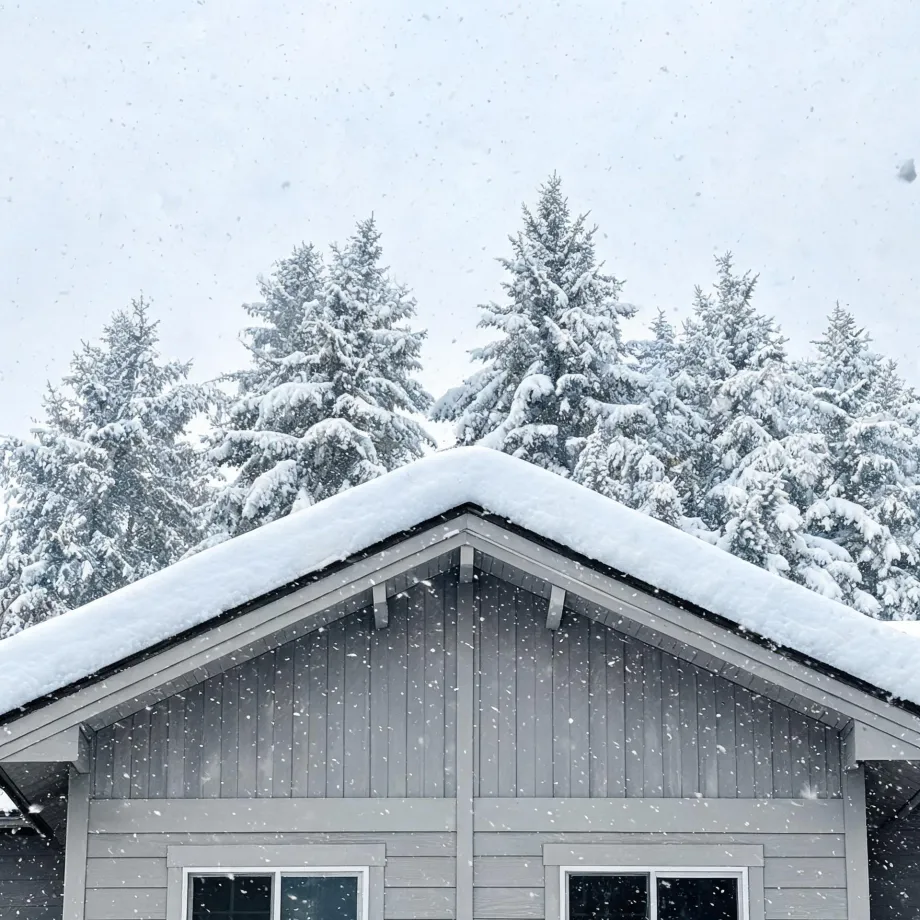
Gas water heaters fire every day, year-round, not just through a heating season. Utility gas heats more occupied homes in Canyon County, Idaho than any other fuel, at 59.4% (2020-2024 ACS 5-year). That share means the burner assembly, the thermocouple, and the gas valve in most Canyon County homes accumulate more combustion cycles than any other component in the house. A contractor called out for a repair will work through the combustion side first, because the tank shell and the flue connection are secondary concerns on a unit whose ignition and burner have been running without pause.
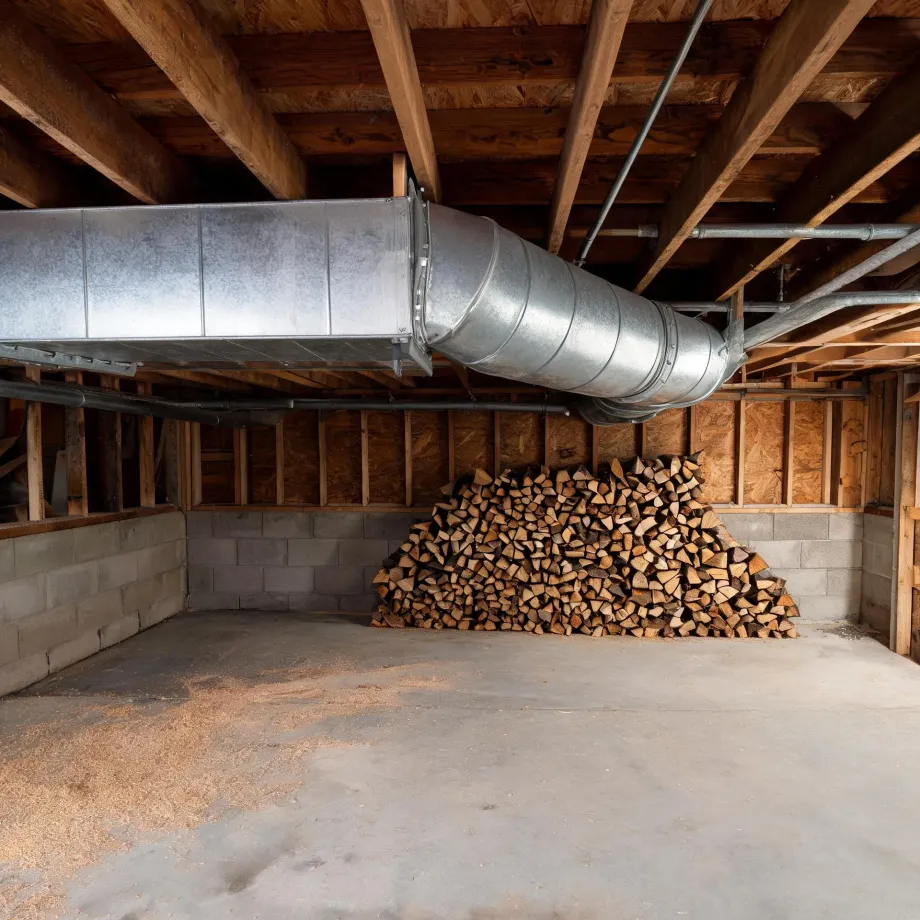
Plumbing in a house this old was sized and routed for equipment that has been replaced at least once since the walls closed up. Half the homes in Canyon County, Idaho were built in 1999 or earlier (2020-2024 ACS 5-year). That means a contractor opening a water heater in a typical Canyon County home is working around supply lines, pressure relief configurations, and venting arrangements that were set up for a predecessor unit, adjusted along the way, and may not suit what is in there now. Sediment accumulation in older tanks is also heavier than in recently installed systems, and it drives repair decisions that a newer installation simply does not face.
The Parts of a Water Heater a Contractor Checks First
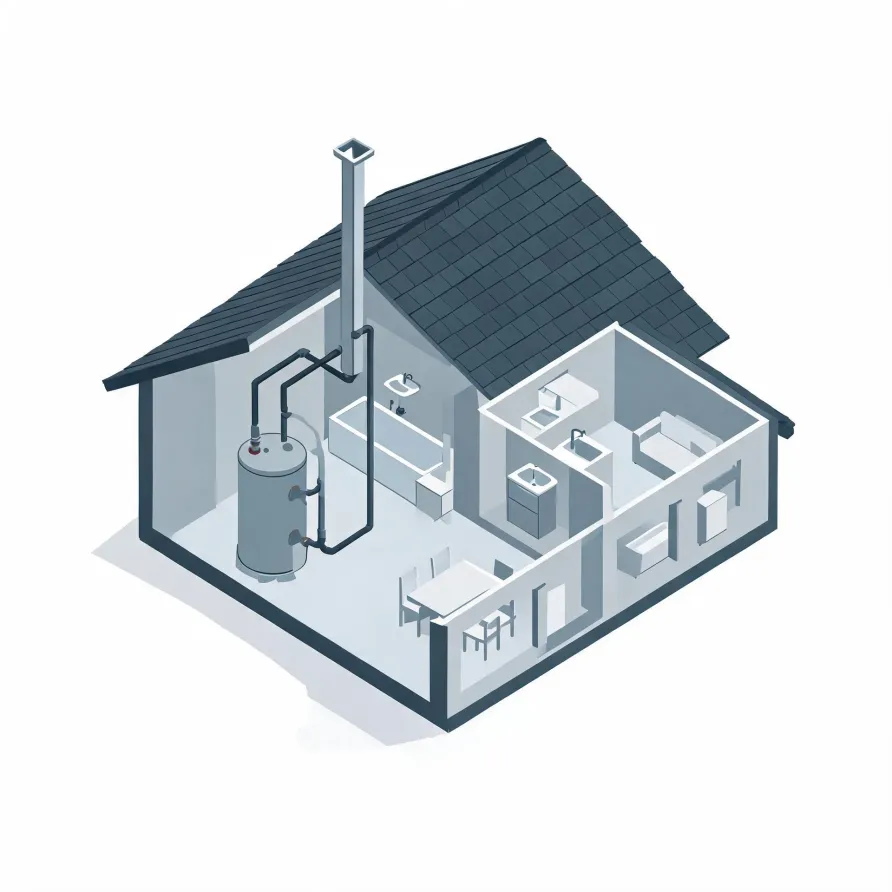
The tank is the piece a homeowner notices first, usually standing in a utility room, basement, or garage. It holds and heats the water. When something goes wrong, the tank itself, its lining, and the pressure relief valve mounted to its side are the first places a contractor looks.
The burner assembly or heating element sits at the base or inside the tank depending on fuel type, and the thermostat controls how hard that component works. The anode rod runs down through the tank's interior and takes on corrosion so the steel does not. Each of these is a common source of repair calls.
The drawing shows a general layout of the system, and a licensed contractor determines what applies to the specific unit and installation in your home.
Find a contractor in Canyon CountyCanyon County, by the numbers
54 severe weather events were recorded in Canyon County, Idaho between 2015 and 2024.
NOAA National Centers for Environmental Information, Storm Events Database, bulk CSV export, events 2015-01-01 through 2024-12-31.Half the homes in Canyon County, Idaho were built in 1999 or earlier (2020-2024 ACS 5-year).
U.S. Census Bureau, 2020-2024 American Community Survey 5-Year EstimatesCanyon County, Idaho holds 89,135 housing units (2020-2024 ACS 5-year).
U.S. Census Bureau, 2020-2024 American Community Survey 5-Year EstimatesOwners occupy 75.5% of the occupied homes in Canyon County, Idaho (2020-2024 ACS 5-year).
U.S. Census Bureau, 2020-2024 American Community Survey 5-Year EstimatesWeather Stress on Water Heaters in Canyon County
Extreme weather puts real strain on water heaters, pushing them through hard demand cycles that wear components faster than steady conditions do. How much of that pressure a unit faces depends on where it sits, which makes local weather history a practical part of understanding repair work in this area.
54 severe weather events, 2015–2024. Source: NOAA National Centers for Environmental Information, Storm Events Database.