Tell us about the job
Takes about a minute. No obligation.
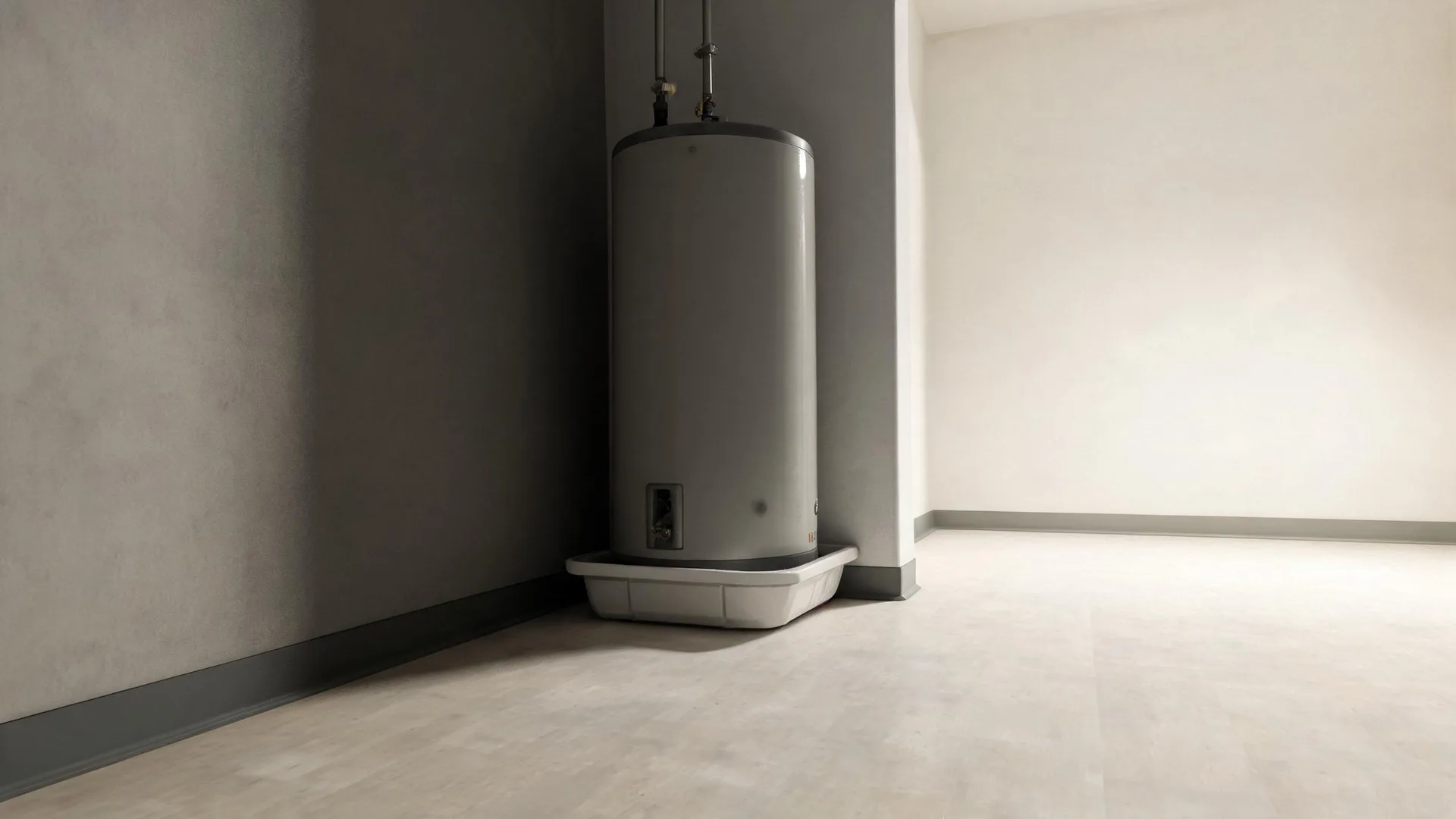
Gas-fired water heaters run continuously, not seasonally, so every component in the combustion circuit accumulates wear around the clock. Utility gas heats more occupied homes in Madison County, Idaho than any other fuel, at 54.3% (2020-2024 ACS 5-year). That share means the majority of repair calls in this county involve gas equipment, and a contractor arriving at a water heater fault works through the burner assembly, thermocouple, and gas valve before anything else. Ignition failures and thermocouple drift are the faults those parts produce, and they are the faults this county's stock generates most.
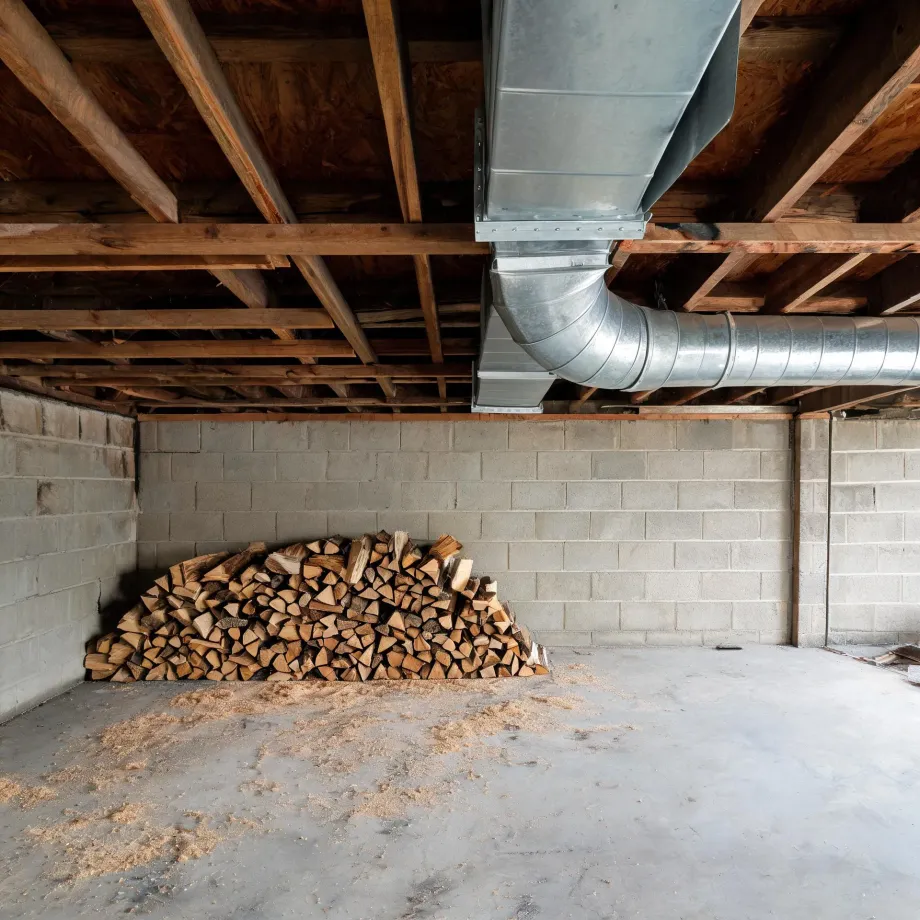
Water heaters in recently built housing sit in mechanical spaces that were sized and plumbed for them, which means a repair call here puts the work where it belongs: on the unit. Half the homes in Madison County, Idaho were built in 2002 or earlier (2020-2024 ACS 5-year). A contractor opening a failed heater in a house like that is not working around undersized access or adapted plumbing runs. What decides the repair is what the opened unit contains and whether the parts it takes are still in supply.
The Parts of a Water Heater a Contractor Checks First
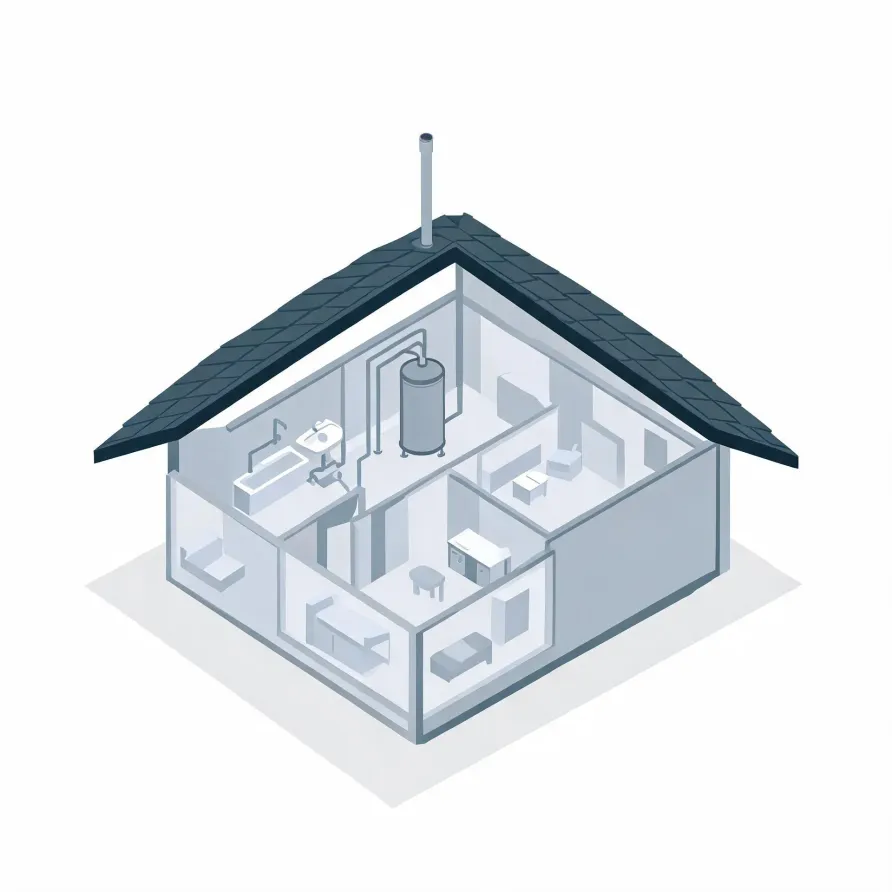
The tank is the center of the system, sitting in a utility room, basement, or garage, and its job is to hold and heat a supply of water ready for use. The burner assembly or heating element, depending on whether the unit runs on gas or electricity, sits at the base or inside the tank and is the first place a contractor looks when hot water is absent or inconsistent.
The pressure relief valve mounts on the side of the tank and opens automatically if pressure builds past a safe point. The anode rod runs down through the tank interior and slows corrosion from within. The cold-water inlet and hot-water outlet connections sit at the top and are checked for leaks, buildup, or failing fittings that can affect flow.
The drawing shows the general layout of a water heater system, and a licensed contractor determines which parts apply and what condition they are in for your specific installation.
Find a contractor in Madison CountyMadison County, by the numbers
168 severe weather events were recorded in Madison County, Idaho between 2015 and 2024.
NOAA National Centers for Environmental Information, Storm Events Database, bulk CSV export, events 2015-01-01 through 2024-12-31.Half the homes in Madison County, Idaho were built in 2002 or earlier (2020-2024 ACS 5-year).
U.S. Census Bureau, 2020-2024 American Community Survey 5-Year EstimatesMadison County, Idaho holds 15,145 housing units (2020-2024 ACS 5-year).
U.S. Census Bureau, 2020-2024 American Community Survey 5-Year EstimatesOwners occupy 40.2% of the occupied homes in Madison County, Idaho (2020-2024 ACS 5-year).
U.S. Census Bureau, 2020-2024 American Community Survey 5-Year EstimatesSevere Weather Events in Madison County
Extreme weather puts real stress on water heating equipment, pushing it harder and shortening the window before something needs attention. How often that happens in Madison County shapes how much repair work local water heaters actually see.
168 severe weather events, 2015–2024. Source: NOAA National Centers for Environmental Information, Storm Events Database.