Tell us about the job
Takes about a minute. No obligation.
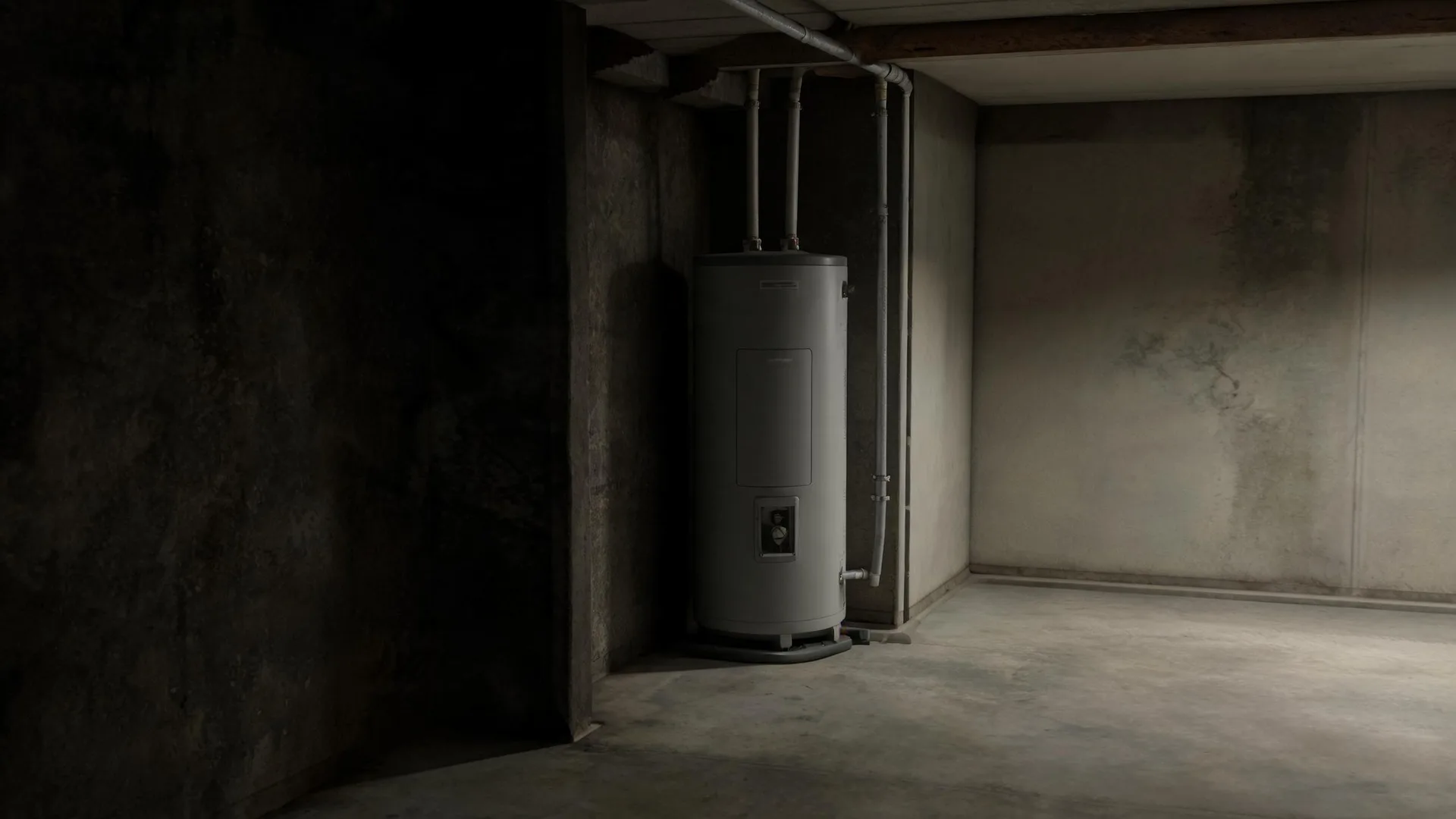
Gas water heaters cycle their burners and igniters every time the tank drops below its set temperature, and in a county where gas is the dominant household fuel, that pattern repeats across the life of the unit with little interruption. Utility gas heats more occupied homes in Jefferson County, Idaho than any other fuel, at 47.9% (2020-2024 ACS 5-year). A contractor tracing a no-heat or intermittent-heat complaint on a gas unit here looks first at the thermocouple and the gas valve, because those components absorb the most wear from continuous ignition cycling. Sediment buildup in the tank follows the same logic: the burner fires more often when the tank is insulated from below by mineral deposits, which shortens the interval between service calls.
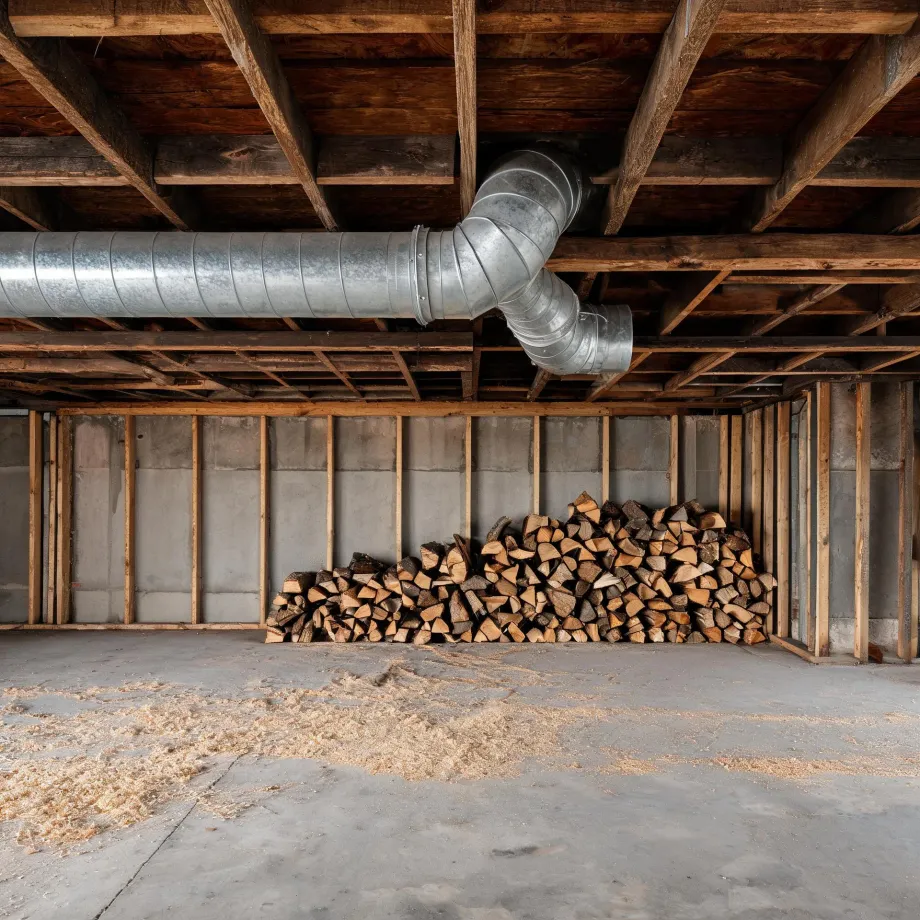
A water heater sitting in a house built before the mid-nineties has likely been replaced at least once since the house was framed, but the plumbing connections, venting configuration, and the space the unit occupies were sized around whatever came first. Half the homes in Jefferson County, Idaho were built in 1994 or earlier (2020-2024 ACS 5-year). When a contractor opens a failing unit in stock like this, the question that shapes the repair bill is whether the components it takes are still in production, not whether the labor is straightforward. Discontinued burner assemblies, proprietary thermostats, and venting parts that current codes no longer approve are where jobs stall.
The Parts of a Water Heater a Contractor Checks First
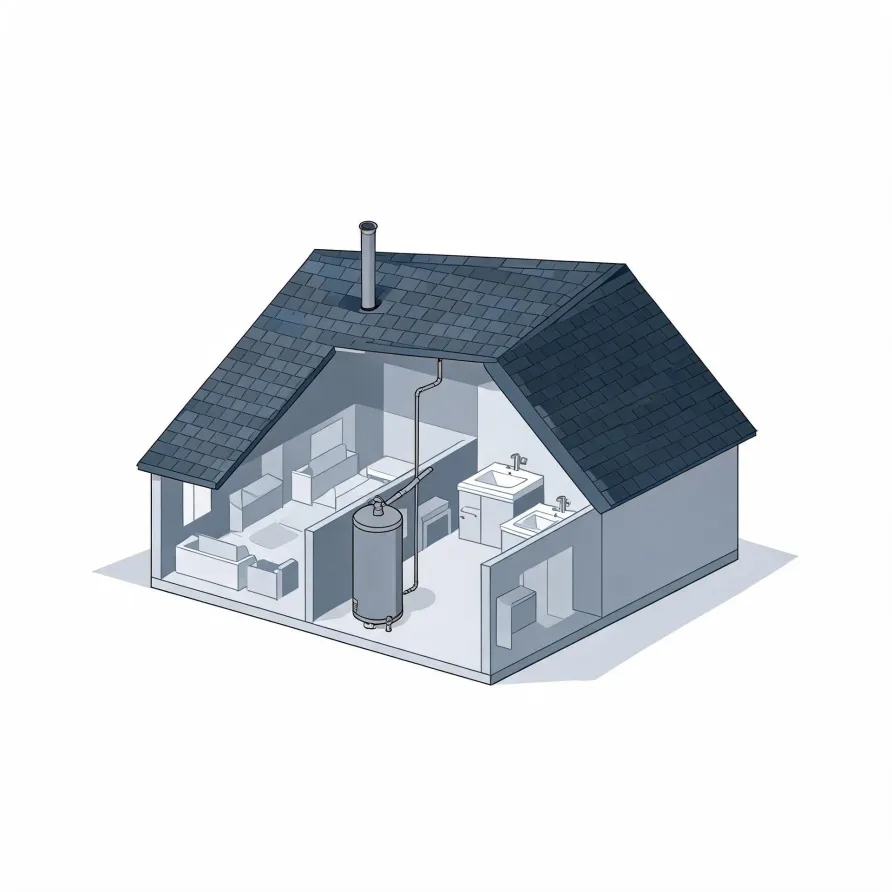
The tank is the piece most homeowners know on sight, sitting in a utility room, basement, or garage and holding a supply of heated water ready for use. Inside it, a burner or heating element does the actual heating, and when either fails, the water stays cold or never reaches the right temperature. The thermostat controlling that element is another common culprit when output is off.
Running into and out of the tank are the inlet and outlet pipes, along with a pressure relief valve mounted on the side or top that opens if internal pressure climbs too high. A dip tube channels cold incoming water to the bottom of the tank so it does not mix with the hot water being drawn off the top. The anode rod suspended inside slows corrosion, and a contractor will pull it to see what condition the tank interior is in.
The drawing shows a typical layout, and a licensed contractor determines what applies to the specific unit and installation in your home.
Find a contractor in Jefferson CountyJefferson County, Idaho, by the numbers
213 severe weather events were recorded in Jefferson County, Idaho between 2015 and 2024.
NOAA National Centers for Environmental Information, Storm Events Database, bulk CSV export, events 2015-01-01 through 2024-12-31.Half the homes in Jefferson County, Idaho were built in 1994 or earlier (2020-2024 ACS 5-year).
U.S. Census Bureau, 2020-2024 American Community Survey 5-Year EstimatesJefferson County, Idaho holds 10,779 housing units (2020-2024 ACS 5-year).
U.S. Census Bureau, 2020-2024 American Community Survey 5-Year EstimatesOwners occupy 83.0% of the occupied homes in Jefferson County, Idaho (2020-2024 ACS 5-year).
U.S. Census Bureau, 2020-2024 American Community Survey 5-Year EstimatesSevere Weather Events in Jefferson County
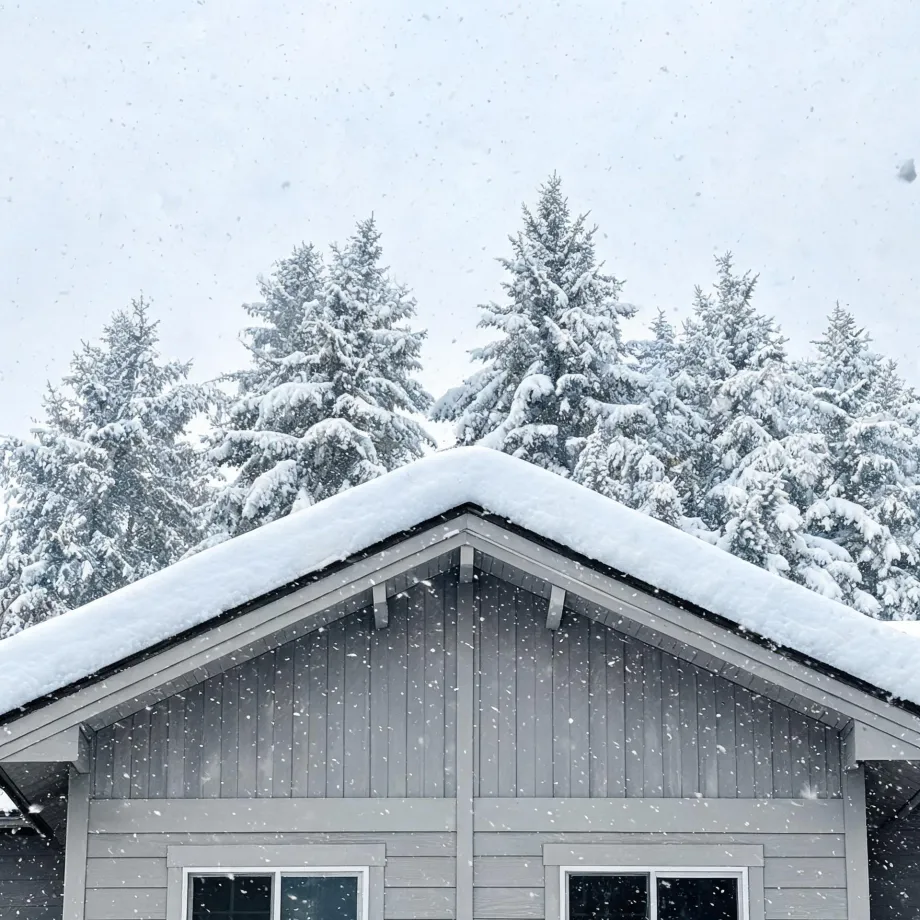
Extreme weather puts real stress on water heaters, forcing them to work harder and wear faster than steady conditions allow. How much of that pressure a unit faces depends heavily on where it lives, which makes local weather history a practical part of understanding repair demand in Jefferson County.
213 severe weather events, 2015–2024. Source: NOAA National Centers for Environmental Information, Storm Events Database.