Tell us about the job
Takes about a minute. No obligation.
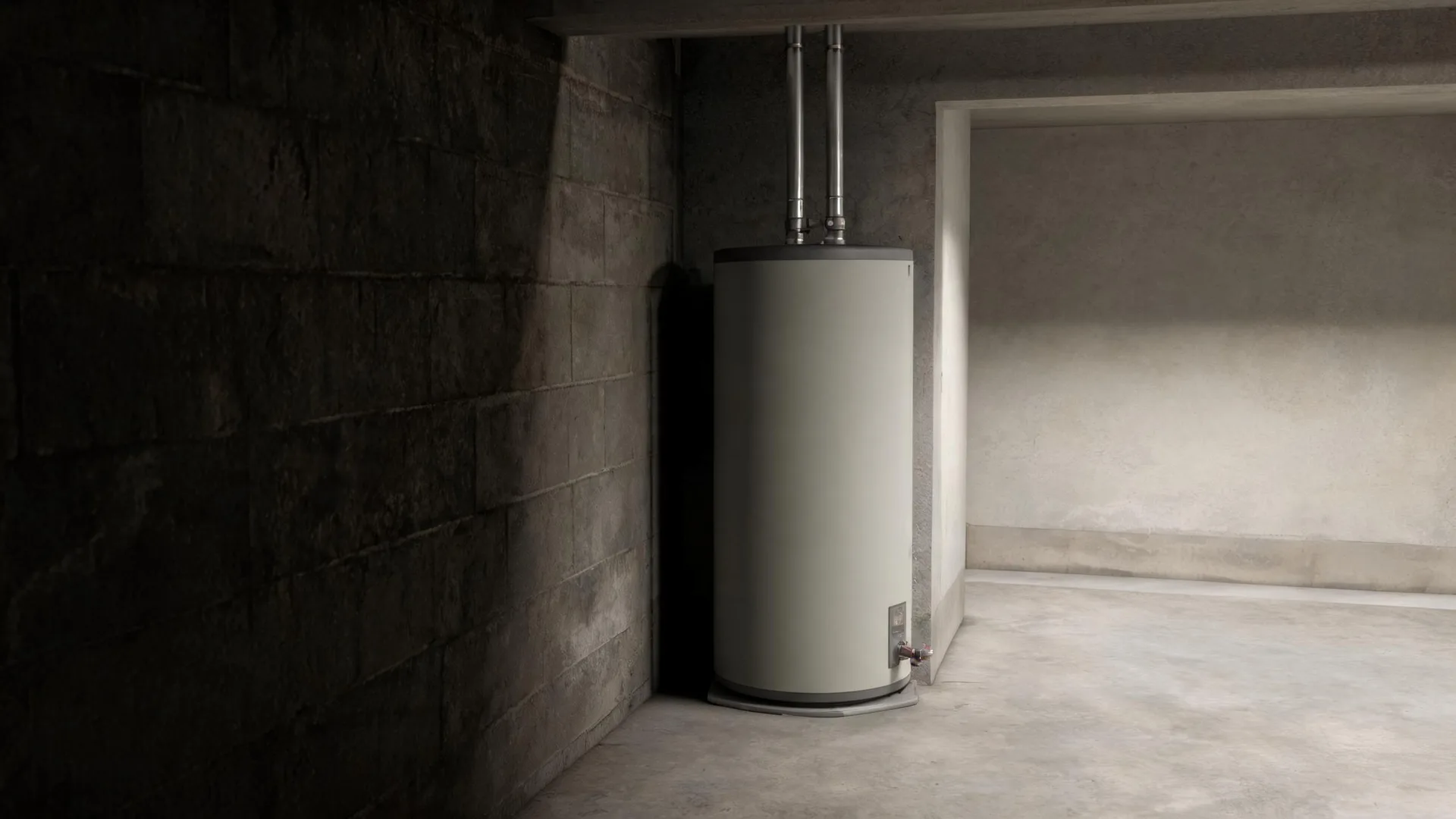
Gas-fired water heaters run continuously, not seasonally, so the fuel a community burns decides what replacement equipment looks like and what a proper install requires. Utility gas heats more occupied homes in Jefferson County, Idaho than any other fuel, at 47.9% (2020-2024 ACS 5-year). A contractor quoting a replacement here has to establish what venting the existing unit uses, whether the flue is sized for the new appliance, and whether combustion air supply meets code for the space. Get those wrong and the unit short-cycles, exhausts poorly, or trips its own safety limits. The gas line, the vent, and the combustion air path are all part of the install scope.
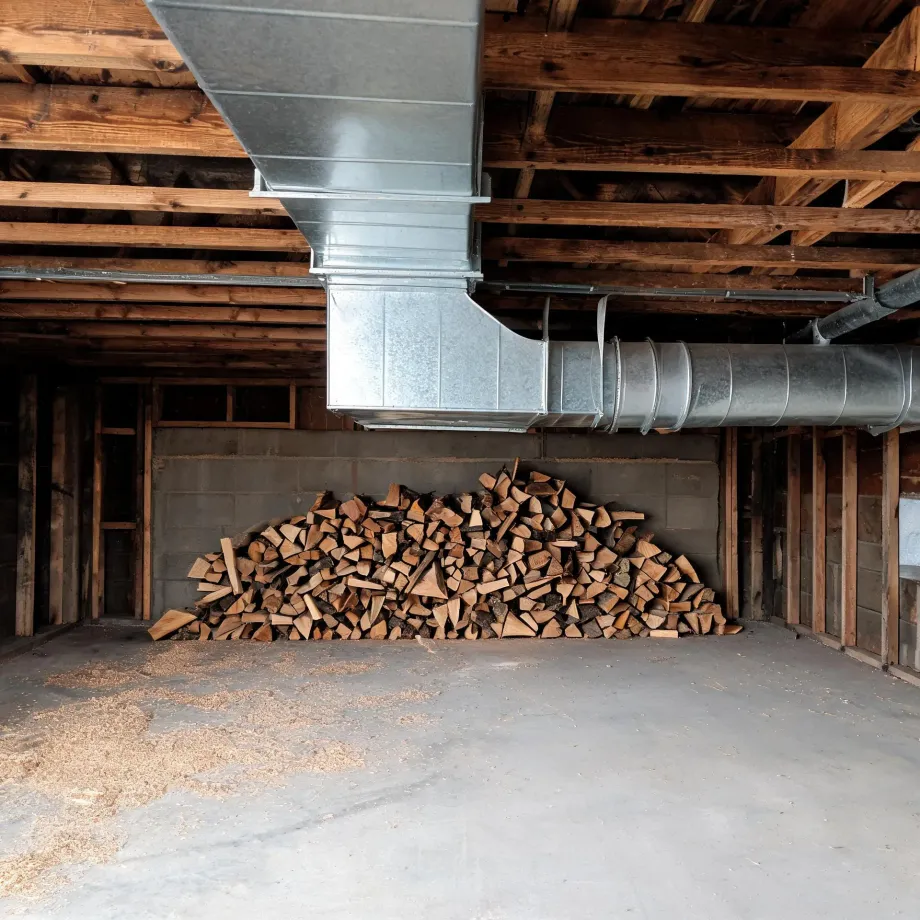
Ductwork and electrical service put in for an earlier generation of equipment do not automatically scale to what a water heater installation draws today. Half the homes in Jefferson County, Idaho were built in 1994 or earlier (2020-2024 ACS 5-year). A contractor sizing and running new equipment in stock like this checks the existing supply lines and the panel capacity before the unit itself becomes the subject, because those are the two variables that change the scope and price of the job. If either is underbuilt for the current load, the installation adjusts around it.
What a New Water Heater Installation Covers
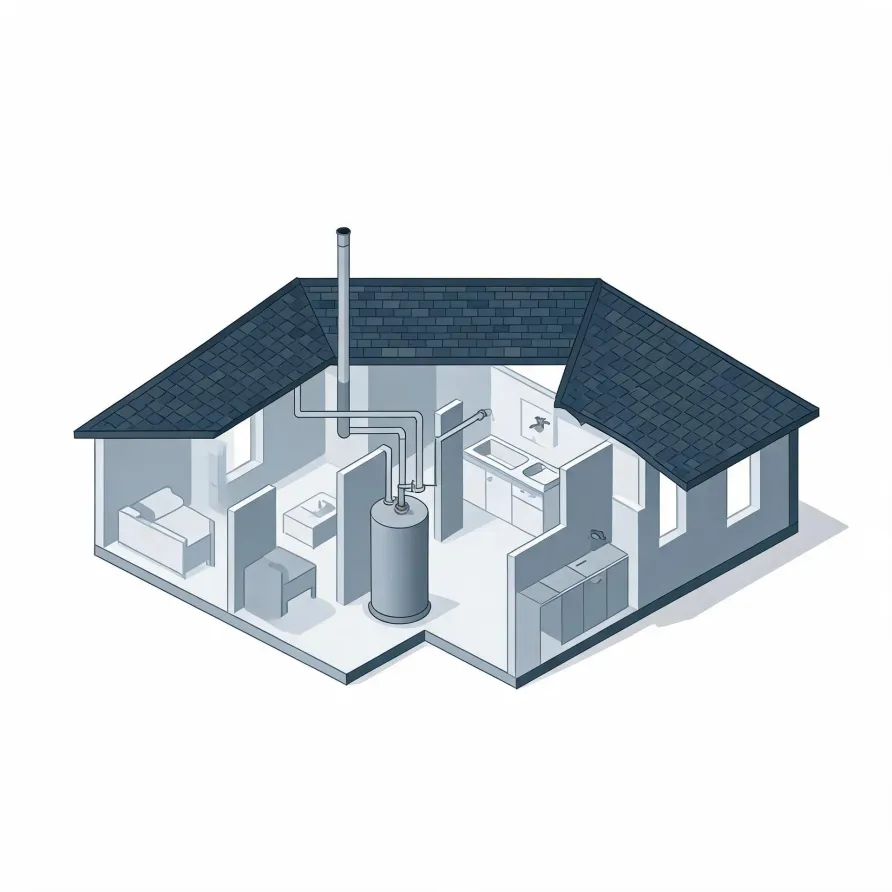
The tank or tankless unit is the center of the system. A storage tank sits in a utility space, basement, or garage and holds a ready supply of heated water. A tankless unit mounts to a wall and heats water as it passes through, taking up far less floor space.
A pressure relief valve attaches directly to the tank and releases pressure if it climbs too high. The cold supply line feeds water in, the hot outlet line carries it to every fixture in the house, and the flue or vent pipe exits through the wall or roof to carry combustion gases out.
The drawing shows the general layout of a water heater system, and a licensed contractor determines exactly what applies to your house.
Find a contractor in Jefferson CountyJefferson County, Idaho, by the numbers
213 severe weather events were recorded in Jefferson County, Idaho between 2015 and 2024.
NOAA National Centers for Environmental Information, Storm Events Database, bulk CSV export, events 2015-01-01 through 2024-12-31.Half the homes in Jefferson County, Idaho were built in 1994 or earlier (2020-2024 ACS 5-year).
U.S. Census Bureau, 2020-2024 American Community Survey 5-Year EstimatesJefferson County, Idaho holds 10,779 housing units (2020-2024 ACS 5-year).
U.S. Census Bureau, 2020-2024 American Community Survey 5-Year EstimatesOwners occupy 83.0% of the occupied homes in Jefferson County, Idaho (2020-2024 ACS 5-year).
U.S. Census Bureau, 2020-2024 American Community Survey 5-Year EstimatesSevere Weather Events in Jefferson County
Water heaters work harder when outdoor conditions swing wide, and Jefferson County's weather history is part of what sets the baseline demand on any unit installed here. A water heater sized and installed for local conditions holds up differently than one spec'd for somewhere else.
213 severe weather events, 2015–2024. Source: NOAA National Centers for Environmental Information, Storm Events Database.